
Scribbles, train rides and uncomfortable questions: Reflections from Article 25's latest NextGen event
Bringing together diverse voices and new ways of thinking to explore what it takes to create resilient, thriving communities - today and for generations to come.
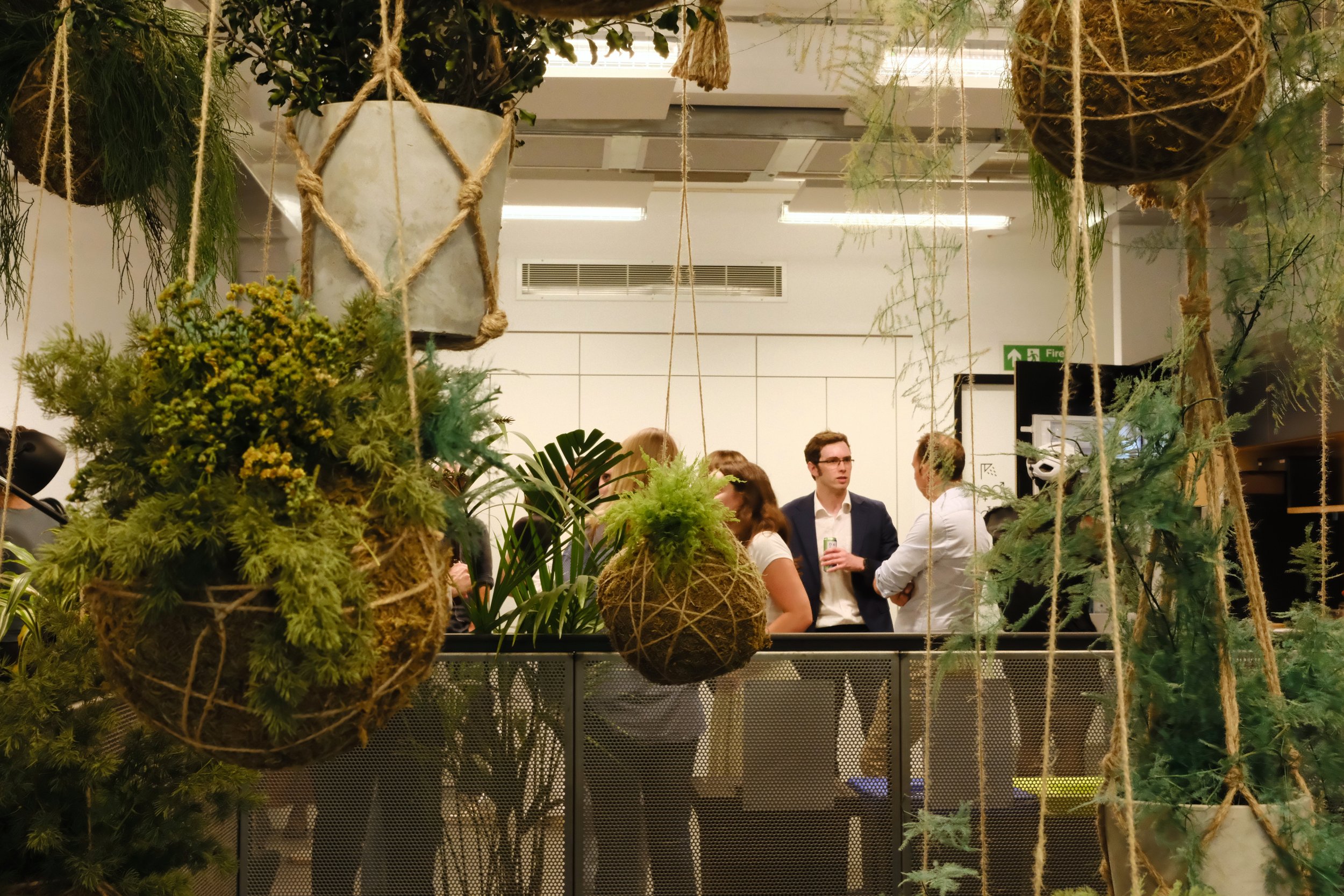
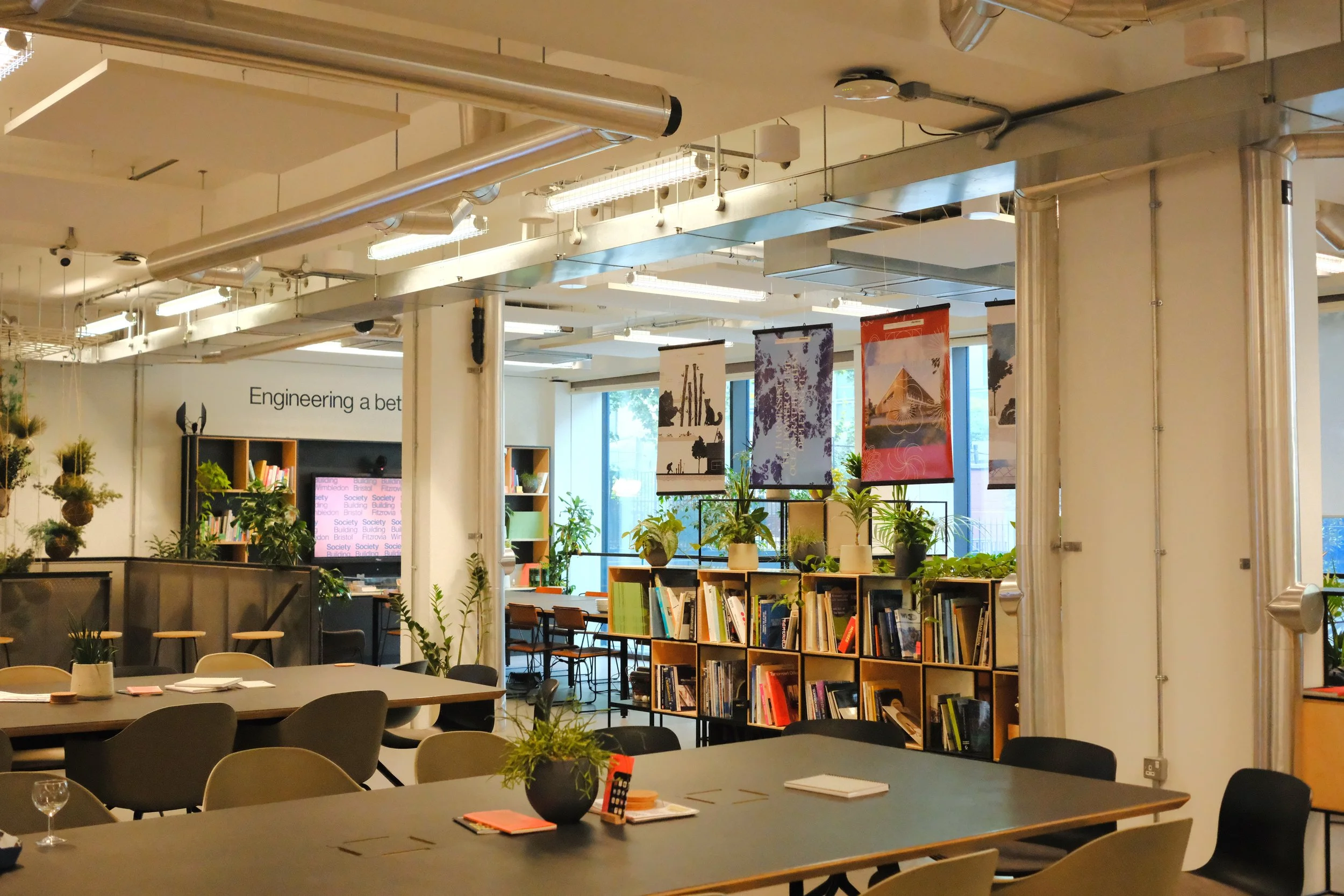
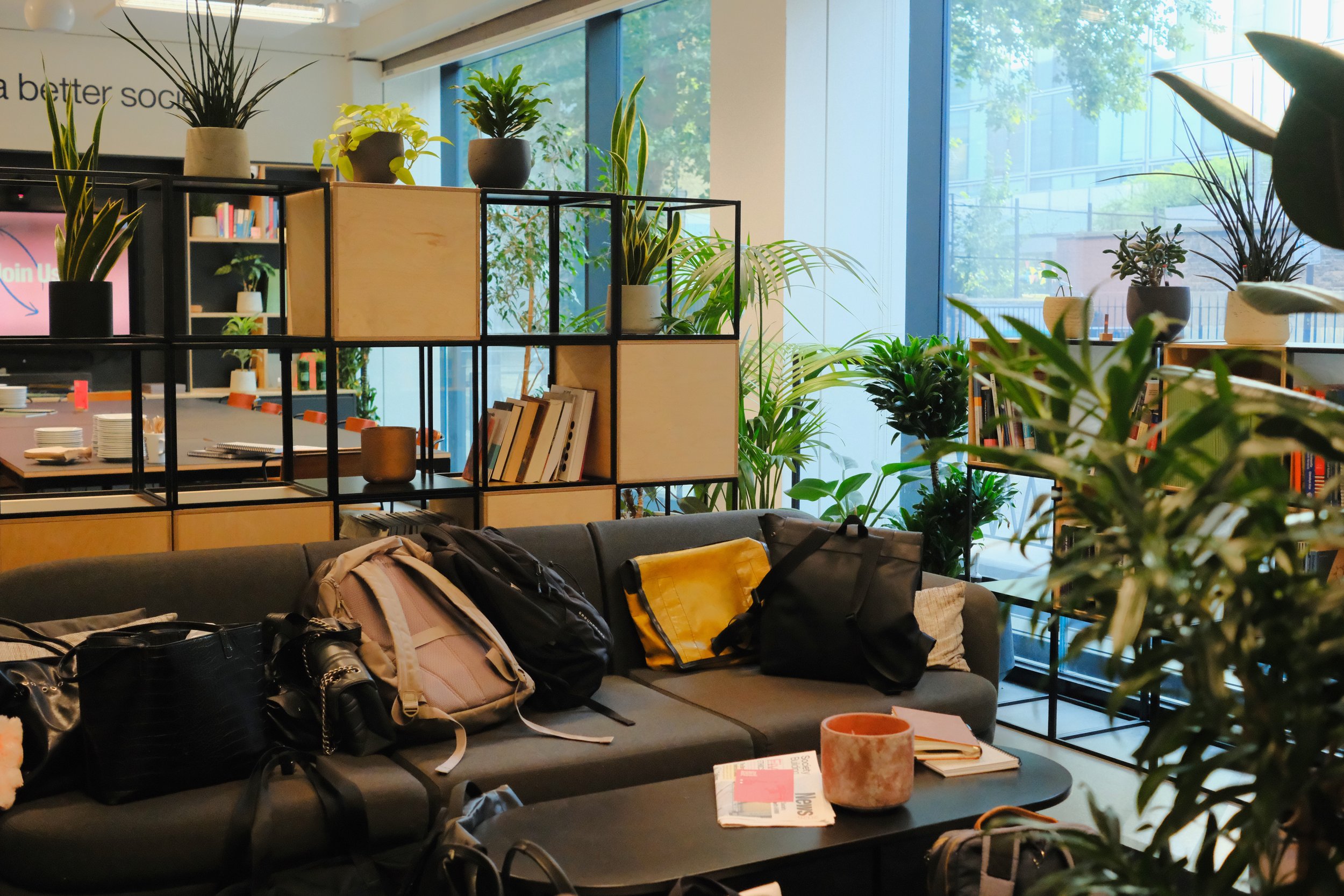
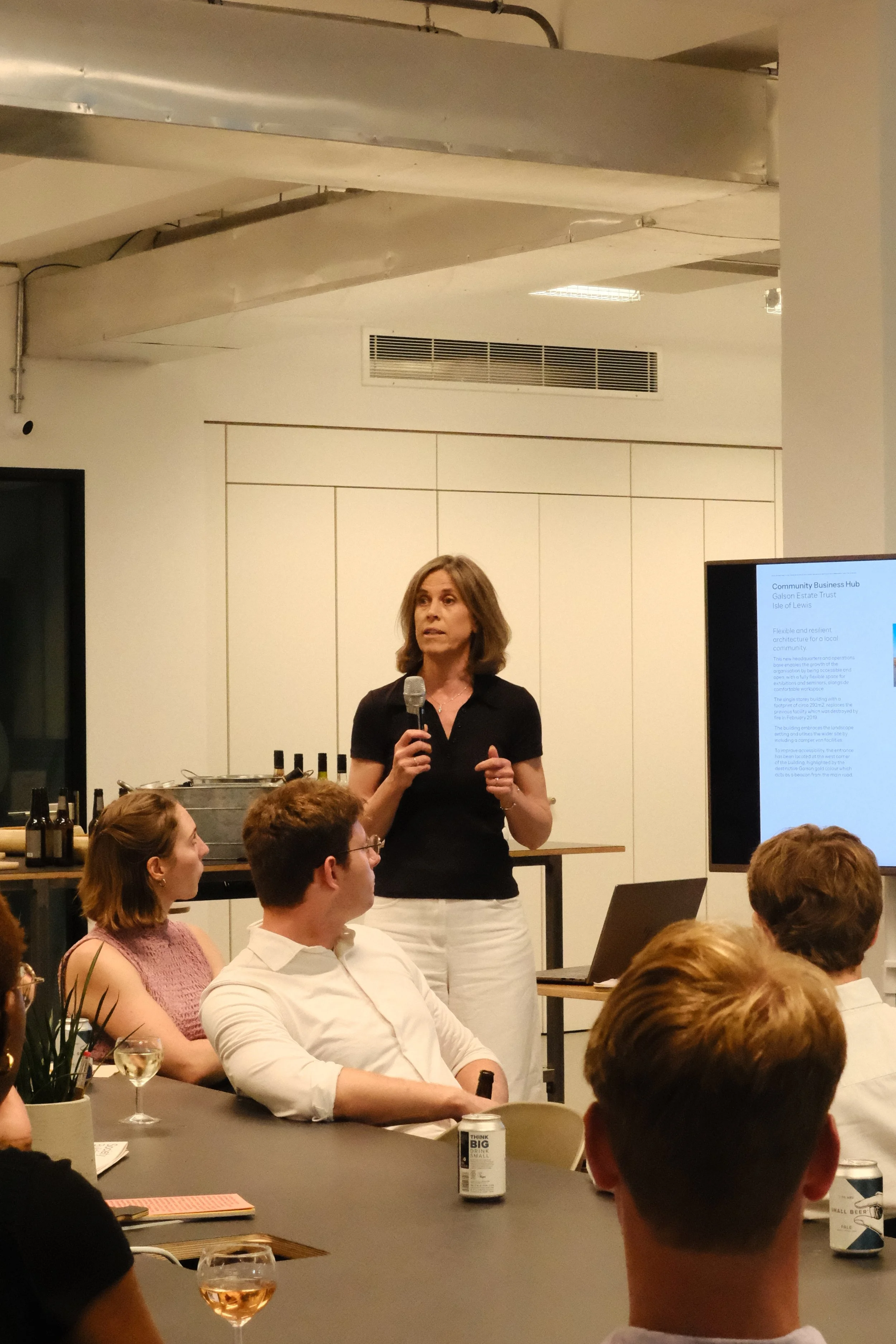
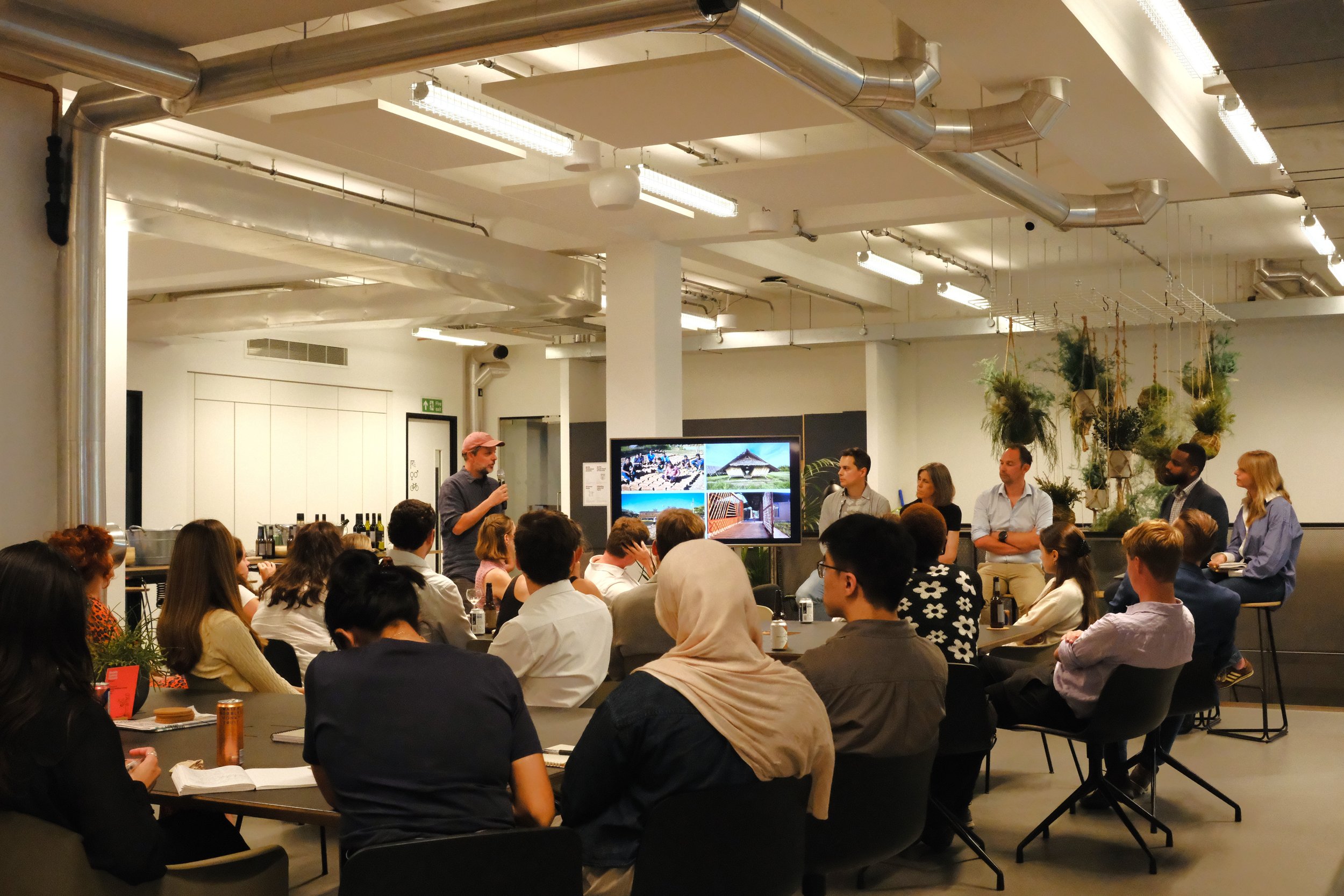
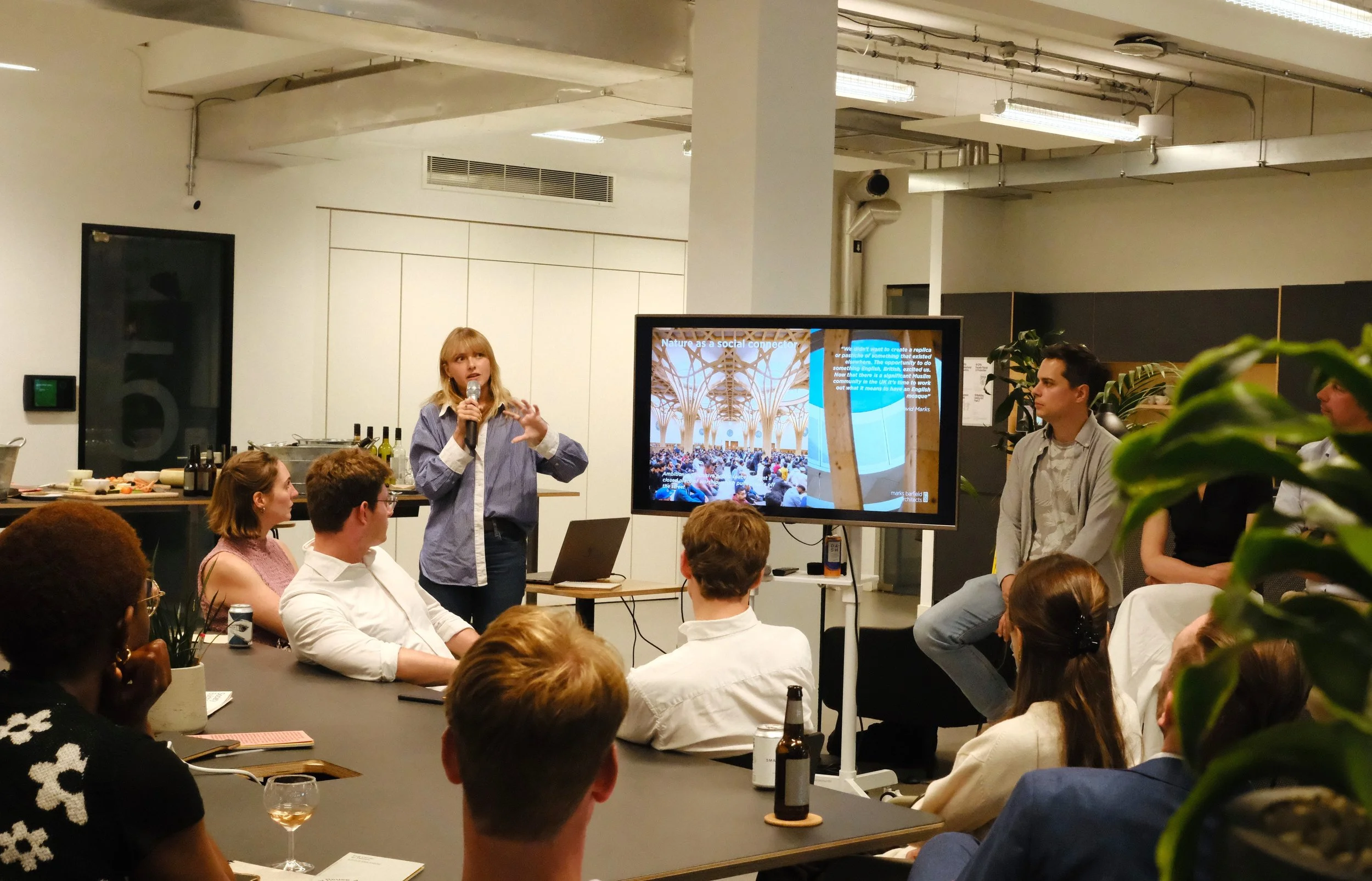
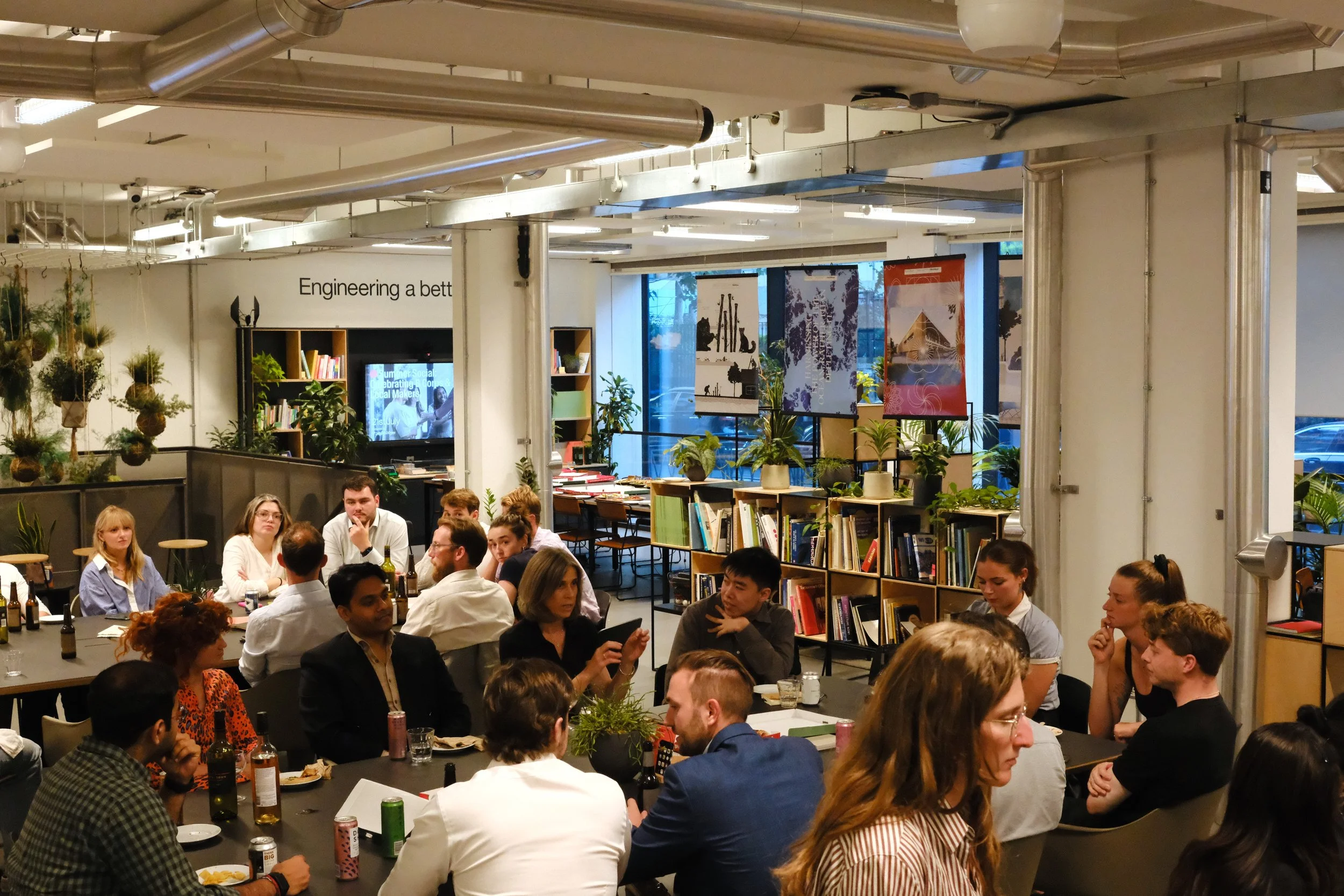
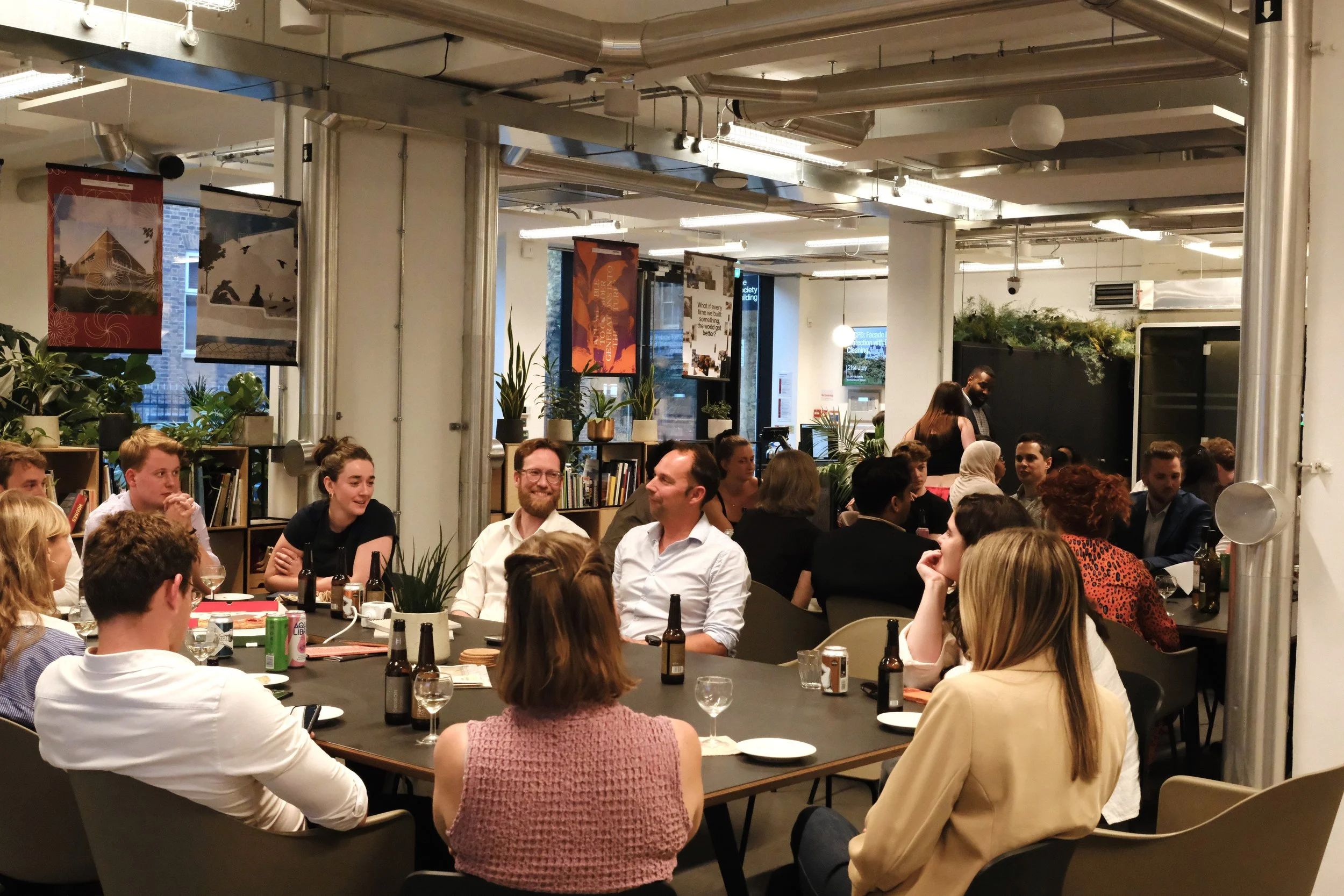
On the train home from my first Article 25 NextGen event, I found myself switching between two versions of my evening: the half-written notes on my phone which in a few weeks will be lost in the abyss that is my Notes app, and the messy scribbles in my notebook that only I could possibly read. I hadn't decided beforehand which style of note-taking would be more useful and seem less rude. Looking back, maybe this was fitting - the evening itself had been about bringing together diverse voices and different ways of thinking.
Going through my notes at 9pm in an almost empty carriage, I kept coming back to this one question: why do we have events like this and create these spaces?
This made me think of a lunchtime group conversation with Abigail MacKinnon, one of the organisers and a member of the NextGen Board, about how easy it's become to exist within our own echo chambers. Algorithms learn our interests, then reinforce our opinions and surround us with people that reaffirm what we already believe. Maybe this is why this evening felt different to normal networking events - it created a space for discussion and for learning, with no pressure to have the 'right' or 'politically correct' answer, surrounded by a diverse pool of people who've had completely different experiences.
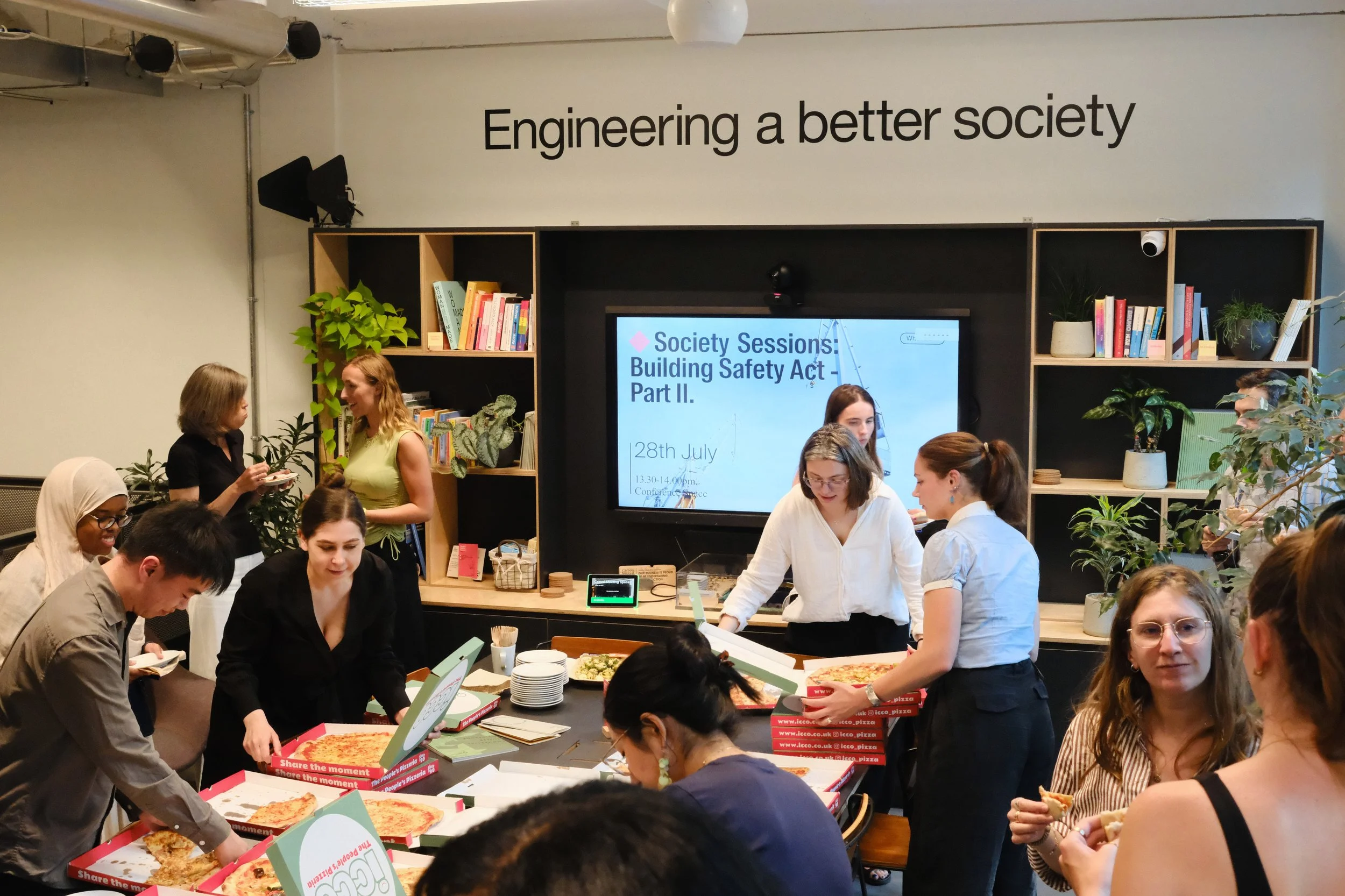
The evening started off in one of the most relaxed ways: food, drinks and a space to dump your bags (after which I immediately felt happier). There was no one saying we're going to network for 30 minutes and then start the event, it just kind of happened. It was so organic I barely realised networking was happening until we sat down for the introductions.
The panel conversation: Setting the stage
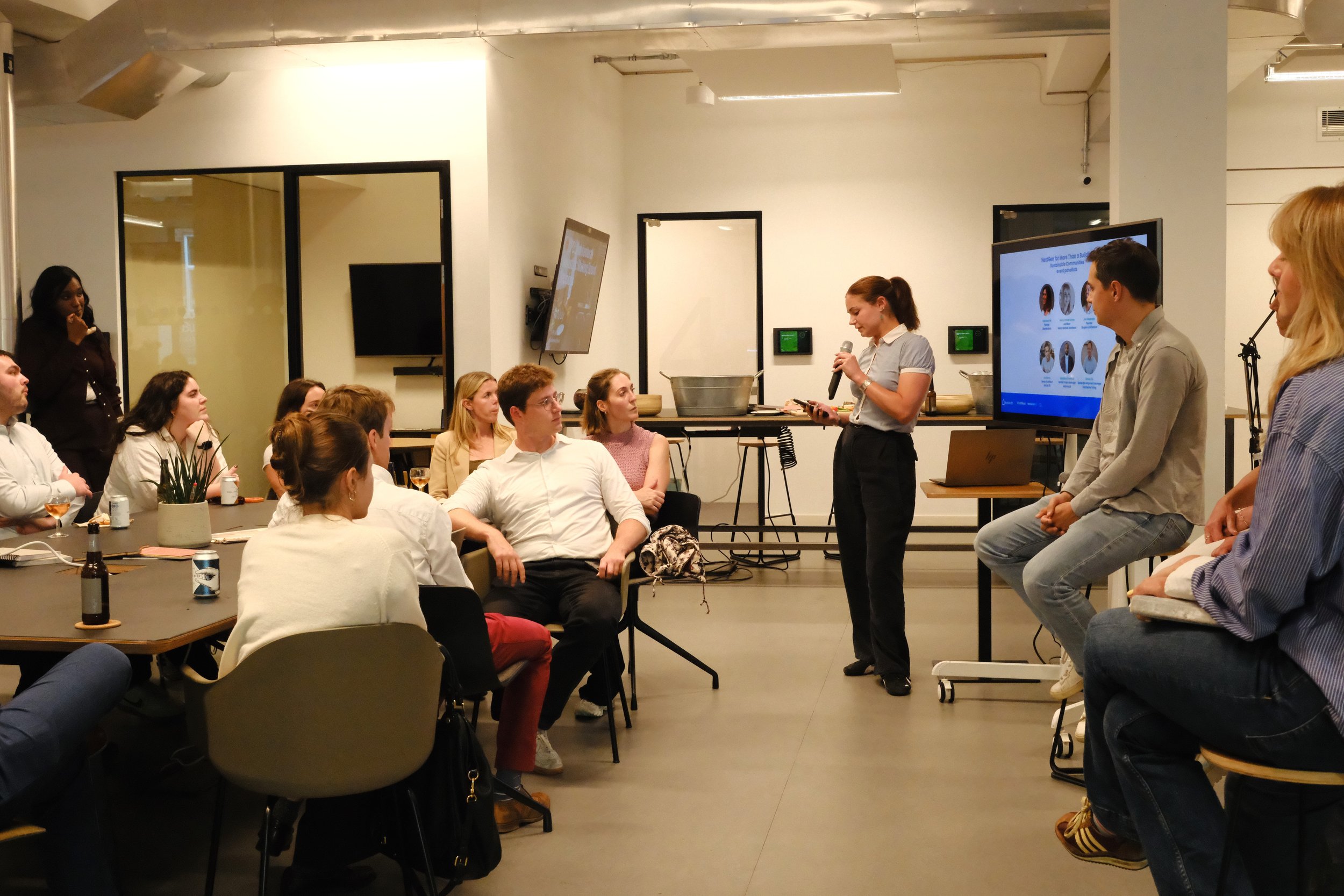
Before the roundtables began, each panellist gave a brief introduction of who they were, the work that they do, and how it connects to the theme of the evening: Sustainable Communities.
Joe Davis, a Senior Architect from Article 25, kicked things off by talking about projects such as the Kao La Amani Children's Village in Tanzania and the housing recovery project in Dominica, followed by fellow panellists Darcy Arnold-Jones, Simon Fry, Jan Glasmeier and Catriona Hill, each introducing their own backgrounds and connection to the evening's theme.
These individual introductions almost felt like window shopping or browsing for conversations before choosing one to join. Which conversations would challenge my thinking? Which perspectives have I not heard before? What projects do I want to hear more about?
Small tables, big questions
With three conversations happening simultaneously, everyone left with a slightly different version of the evening. This is mine. I can't really talk about what the other 2 roundtables were like, but what I can say is that the atmosphere across the room was relaxed, with periods of laughter and quieter moments where discussions were taking place. With well-timed breaks for drinks and food, easy-going conversation sprung up with neighbours next to you or opposite you who you hadn't been introduced to yet.
NextGen Board members and organisers Deima Ambrazaityte and Alla Elmahadi expertly guided our roundtable along with panellists Jan Glasmeier and Mandour Elmahadi. What at times was a serious and engaging discussion became relaxed occasionally, including the playful architect vs engineer rivalry between siblings Alla and Mandour.
What stayed with me wasn't the initial answers to the prompt, but the organic, wandering tangents that followed:
Community-led design: When discussing what sustainable building looks like in vulnerable communities, Jan shared the work he and his volunteers do on the Thai-Burmese border. I was genuinely shocked by the simplicity of their approach. Instead of turning up with rigid blueprints, they just sit down and talk with teachers and village leaders first. Within 24 to 48 hours, physical models are built, feedback is gathered and foundations are dug. It hit me that for a migrant community, a school isn't just about bricks and mortar, it's a rare sanctuary of safety and stability.
The reality of aid: Hearing about Jan's grassroots model in action inevitably brought up the question of money, and where it comes from. The debate highlighted how international aid rarely comes without strings attached, while diaspora-led aid often achieves a far more direct impact through pre-existing community trust. This raised a frustrating dilemma: if traditional funding channels are so flawed, how do we actually ensure support reaches the communities it's intended for? The table went quiet. Not from a lack of opinions, but because everyone recognised there is no simple answer.
Rethinking sustainability: We then started discussing words like 'retrofit' and 'reuse'. While saving a historic facade is always worth doing, the table questioned whether keeping a building's outer skin is enough to call a project genuinely sustainable. Mandour emphasised that longevity should include thinking about the maintenance of our designs from day one, while Deima brought up Duncan Baker-Brown's The Waste House. This opened up another uncomfortable question: if these alternative materials can work, why are the companies developing them struggling to survive? We started talking about the less glamorous realities of testing, approvals and insurance, and how difficult (and expensive) it can be for smaller companies trying to get innovative materials through the UK system.
What stayed with me
Heading home, flipping through my phone and notebook, I realised these events don't exist to give us neat answers. They exist to put us in rooms with people who ask the questions we wouldn't have thought to ask ourselves.
What I brought home wasn't just a list of LinkedIn contacts, but a fresh collection of perspectives, debates, and questions I would never have encountered inside the comfort zone of my own routine.
P.S. A huge thank you to all of the panellists taking the time to share your experiences and insights, and maybe most importantly, for your questions. To the NextGen Board members: Fiona Du Fresne, Sara Davies, Abigail MacKinnon, Fabiola Umar, Anna Helliar, Deima Ambrazaityte, Alla Elmahadi and Christopher Briggs for organising such a dynamic, interesting evening. And to the Society Building, Elliott Wood and Oberlanders Architects for sponsoring. See you all in September for Power Communities :)
🔹Written by Article 25’s Architectural Assistant, Nabiha Warsame this piece is part of our ‘Voices from NextGen’ series, sharing insights from the next generation of built environment professionals. Thank you to Tim Emmens for the beautiful photo selection.
Interested in attending our upcoming NextGen events?
Find out more about the event series open to all members of More Than a Building. Get in touch: next-gen@article-25.org.
