
Voices of the Next Generation: International Development
Article 25’s NextGen series kicked off its very first event of the year with a compelling question: if we specify it, are we responsible? The open discussion, held between professionals from across the global construction and design chain, encouraged emerging practitioners to focus on ethical and sustainable approaches to material specification.
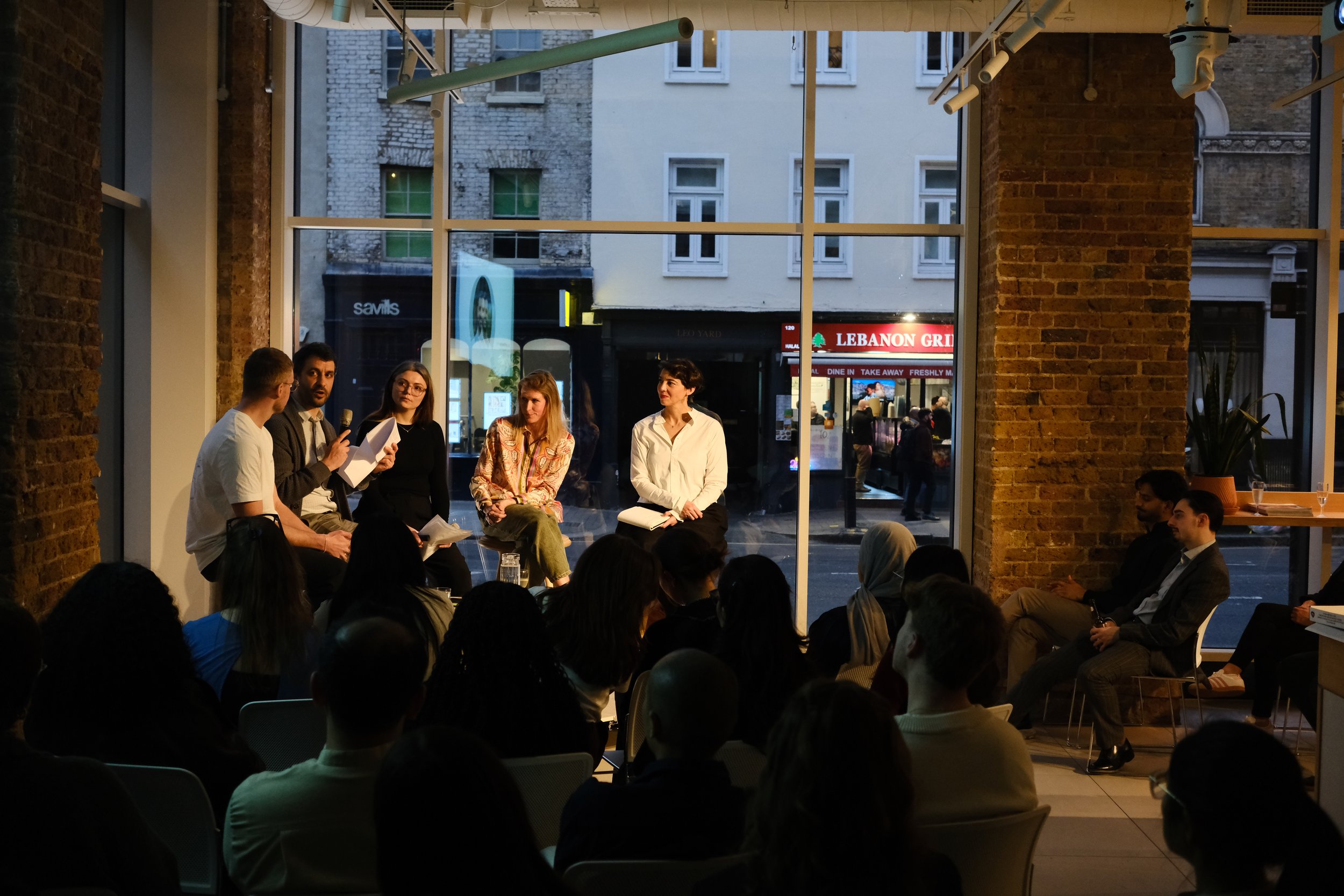
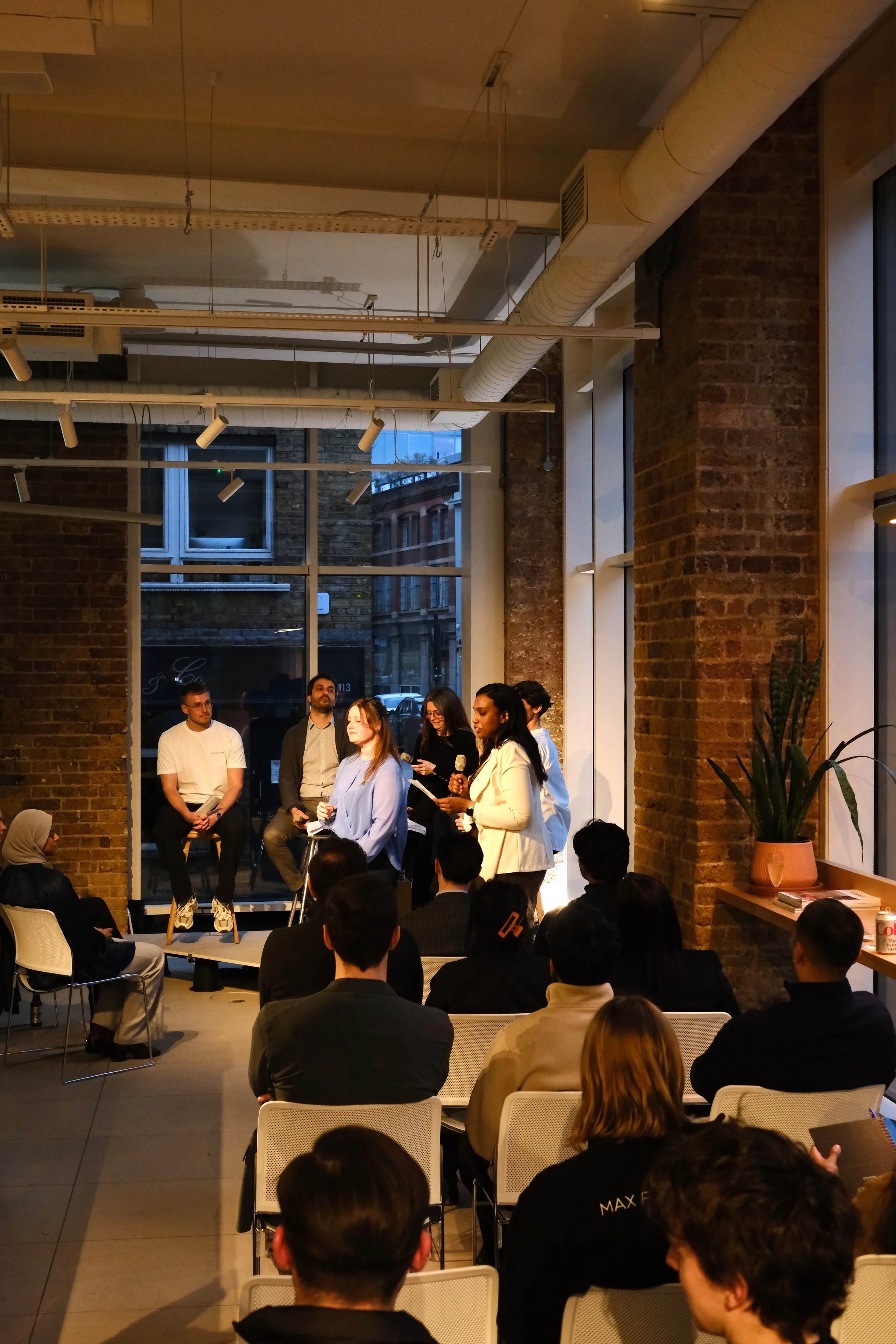
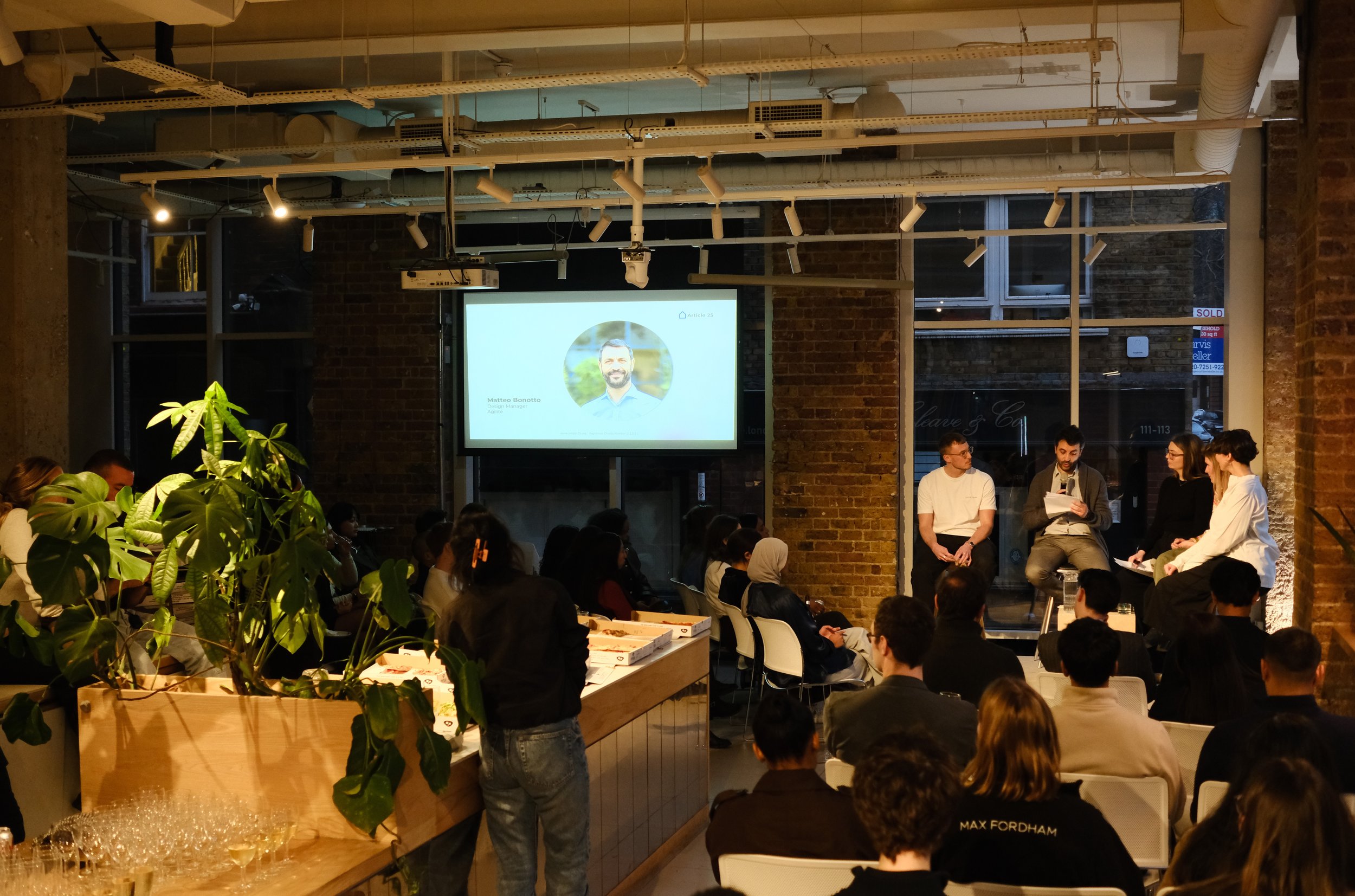
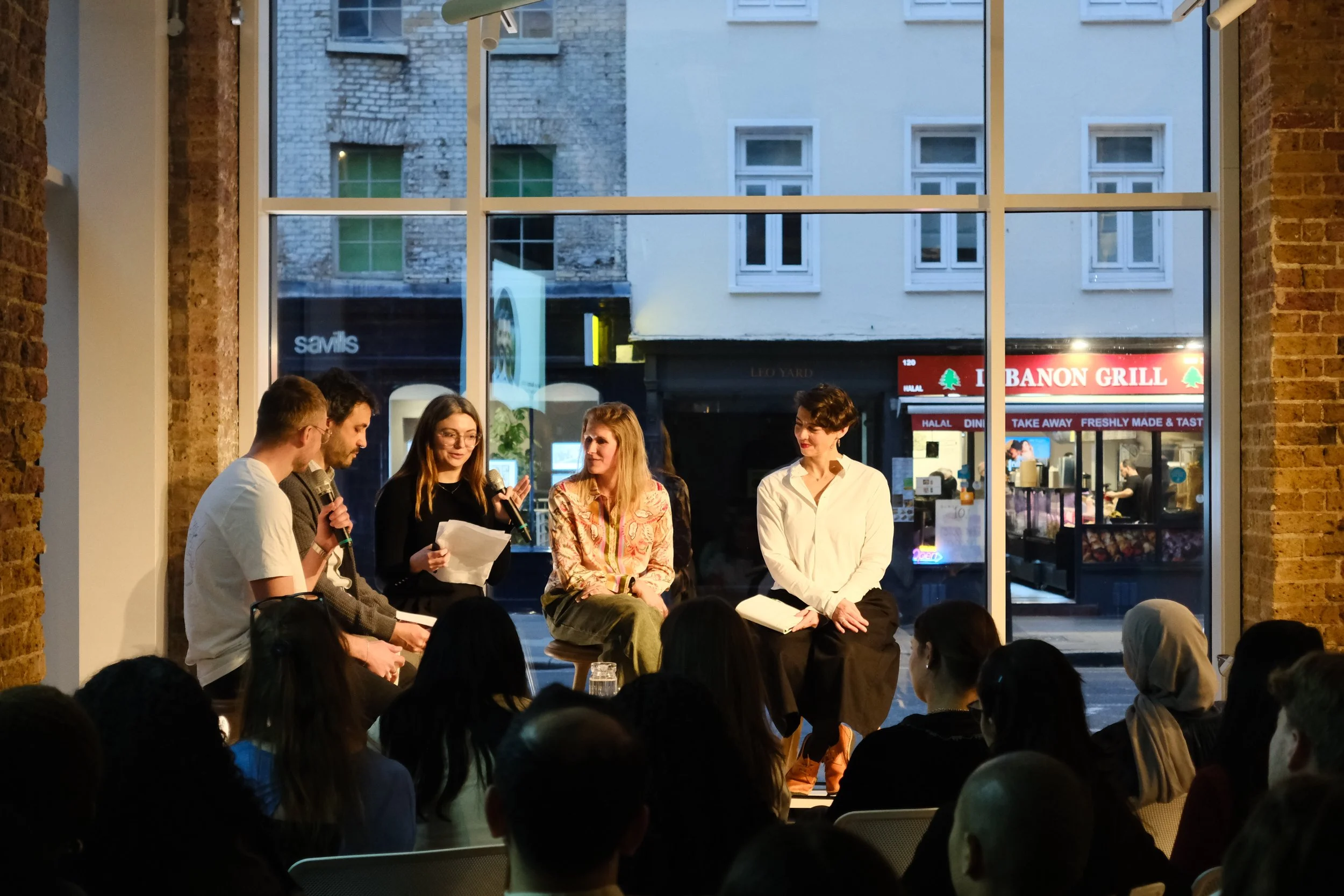
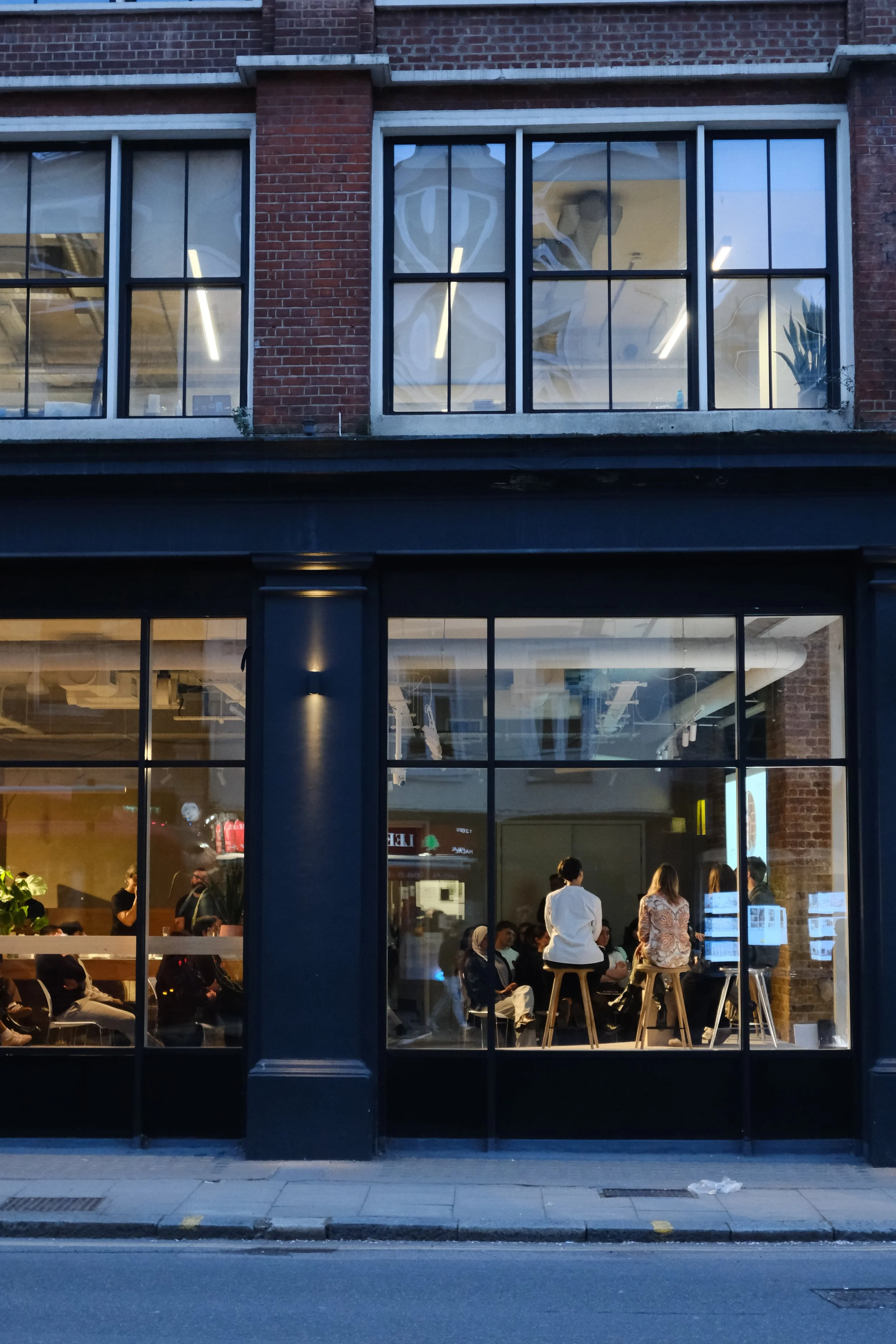
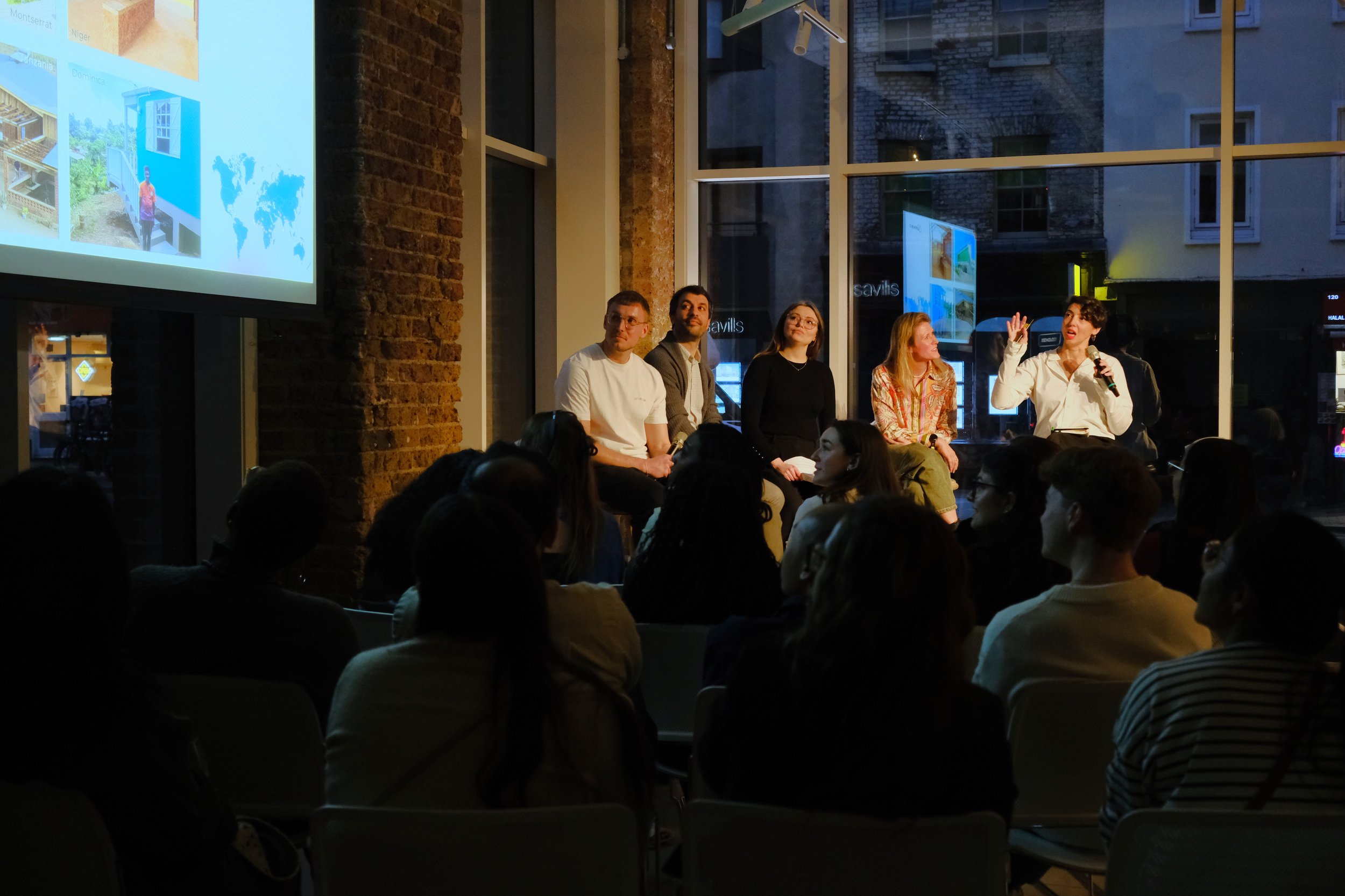
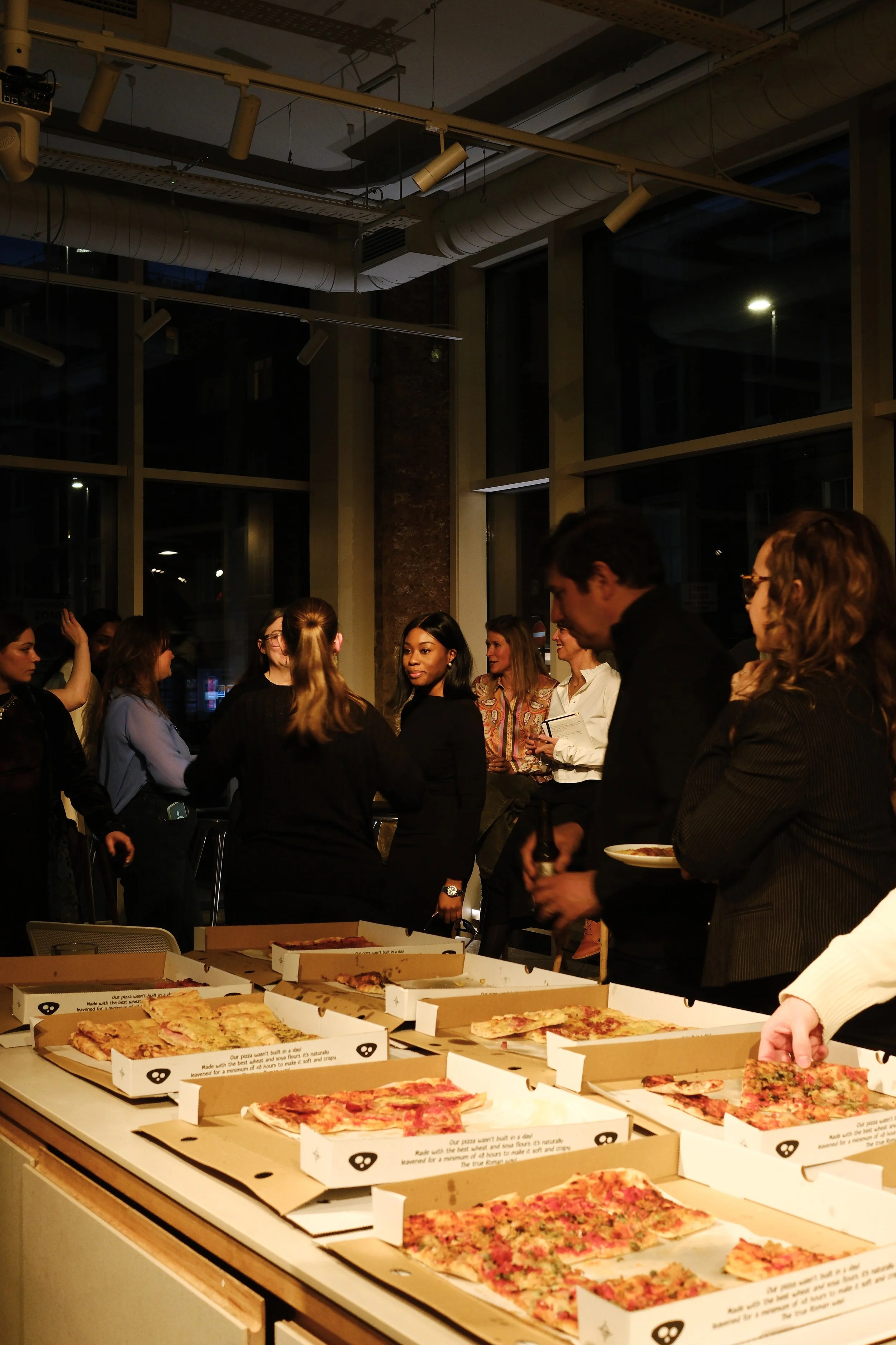
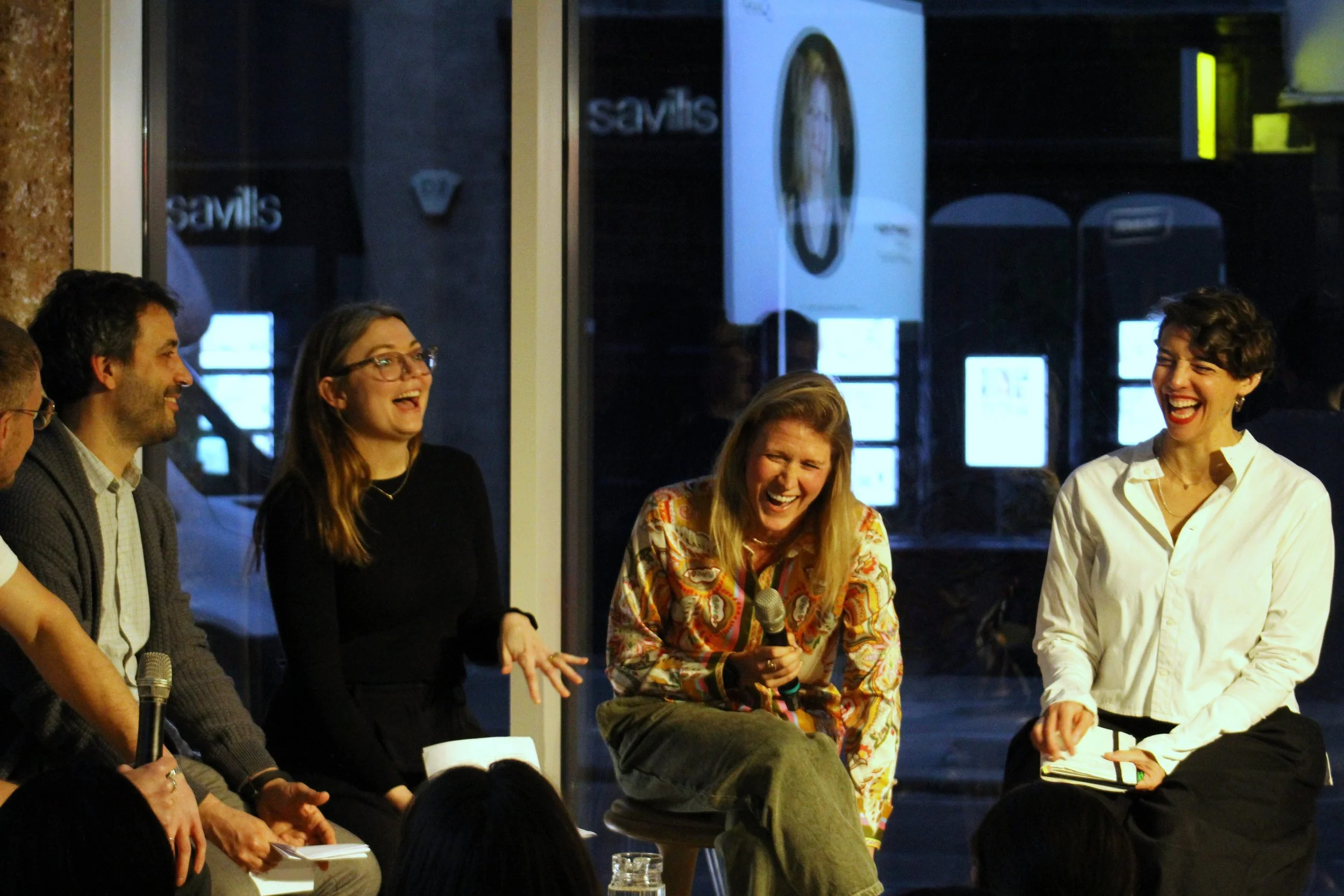
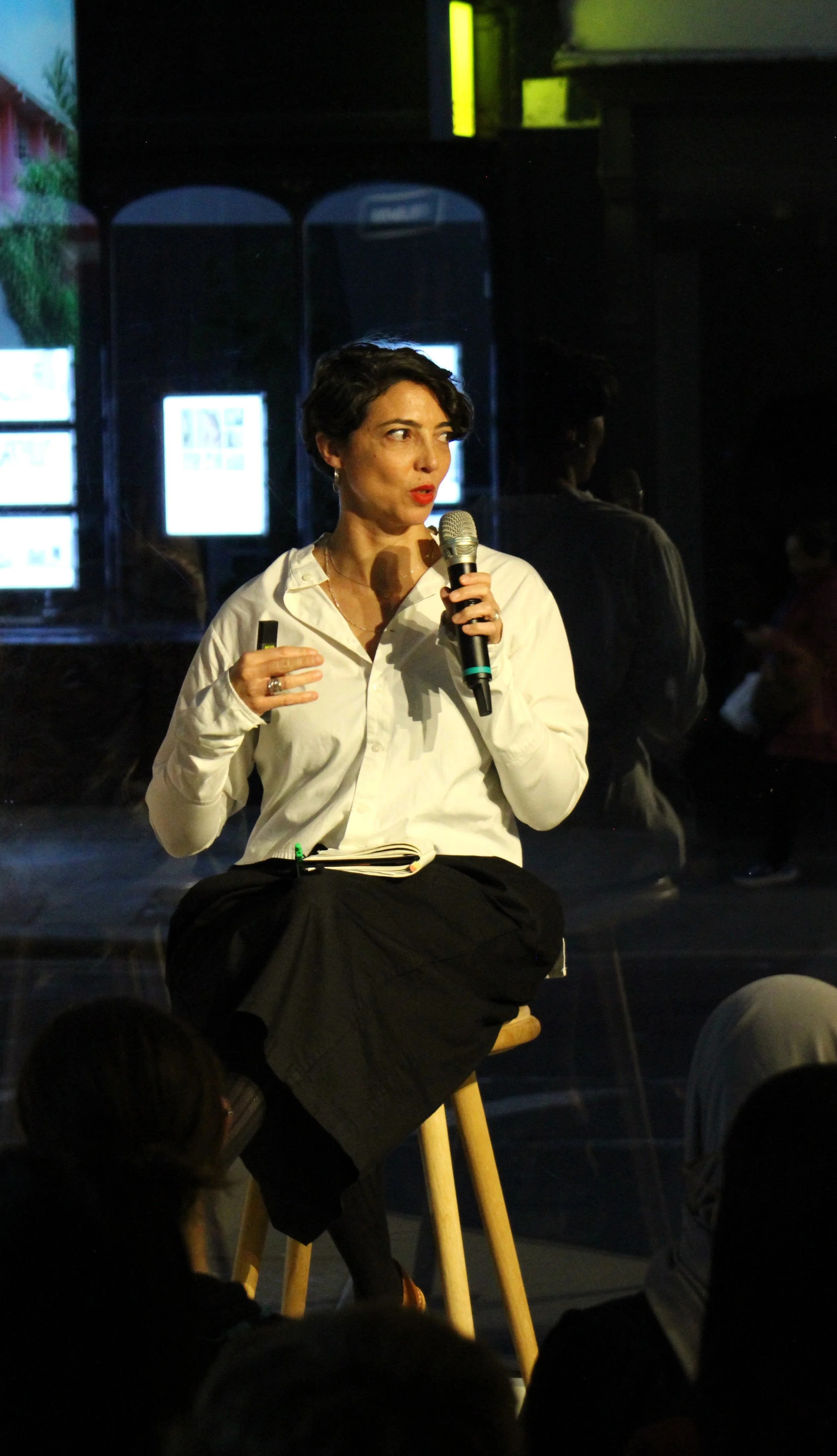
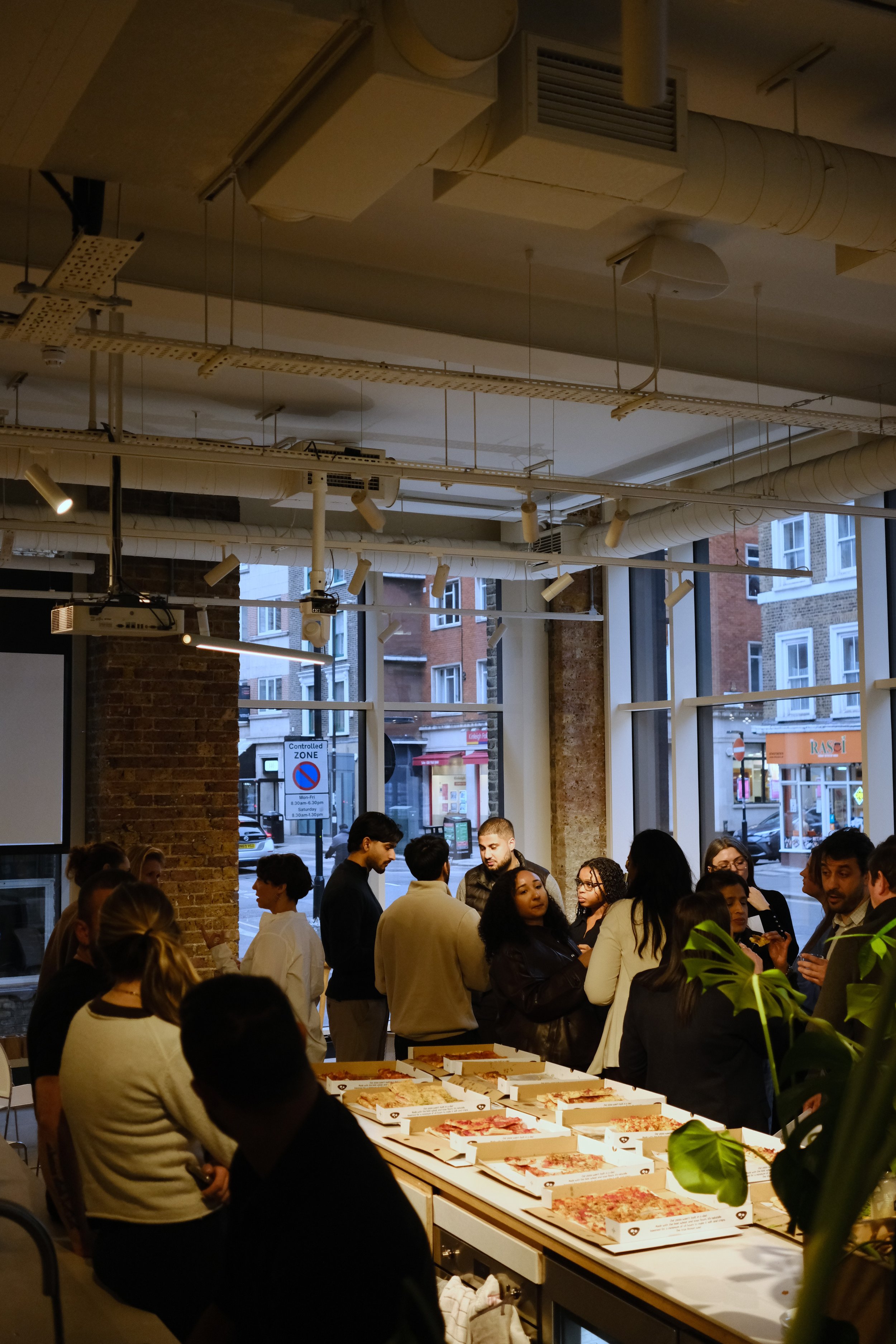
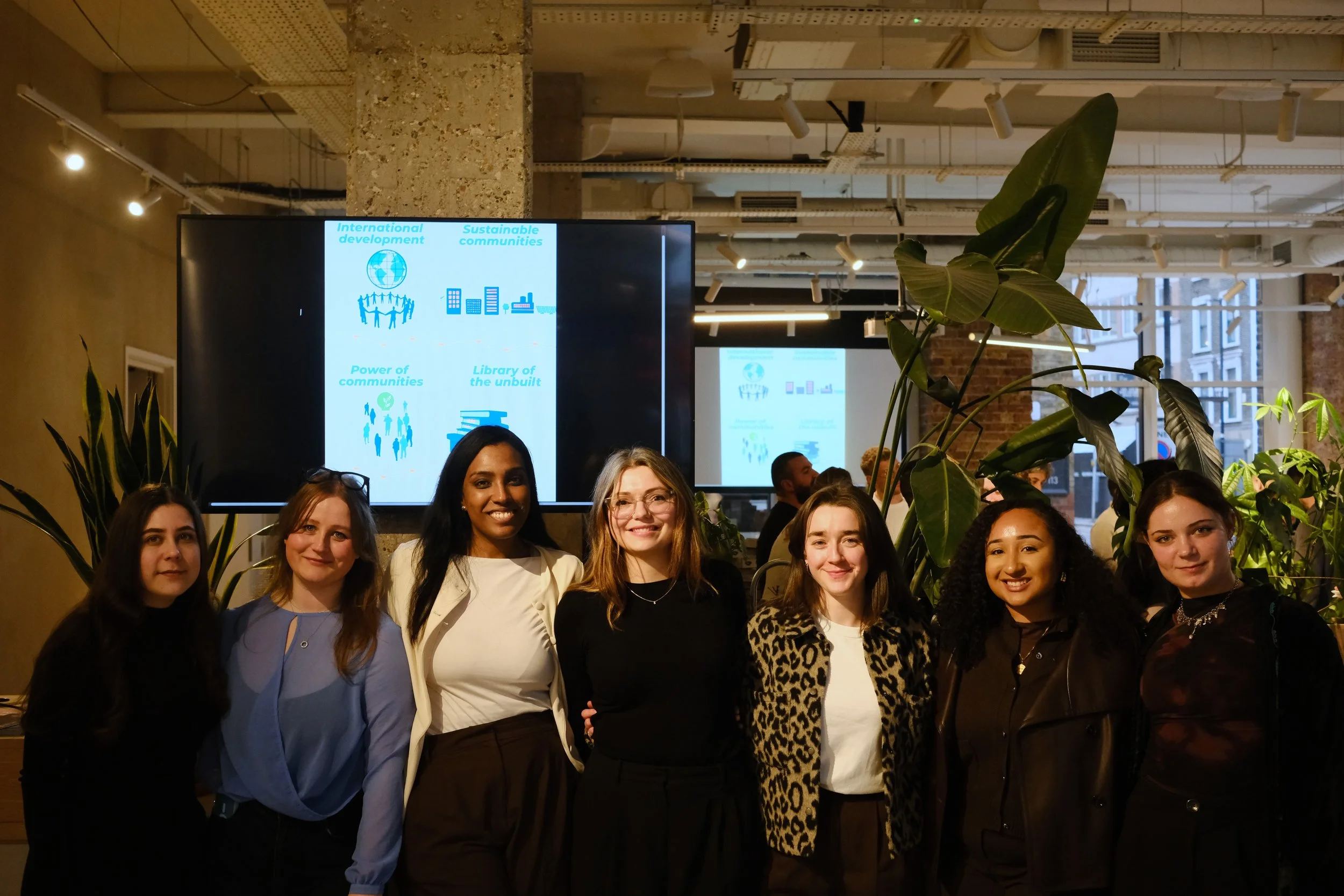
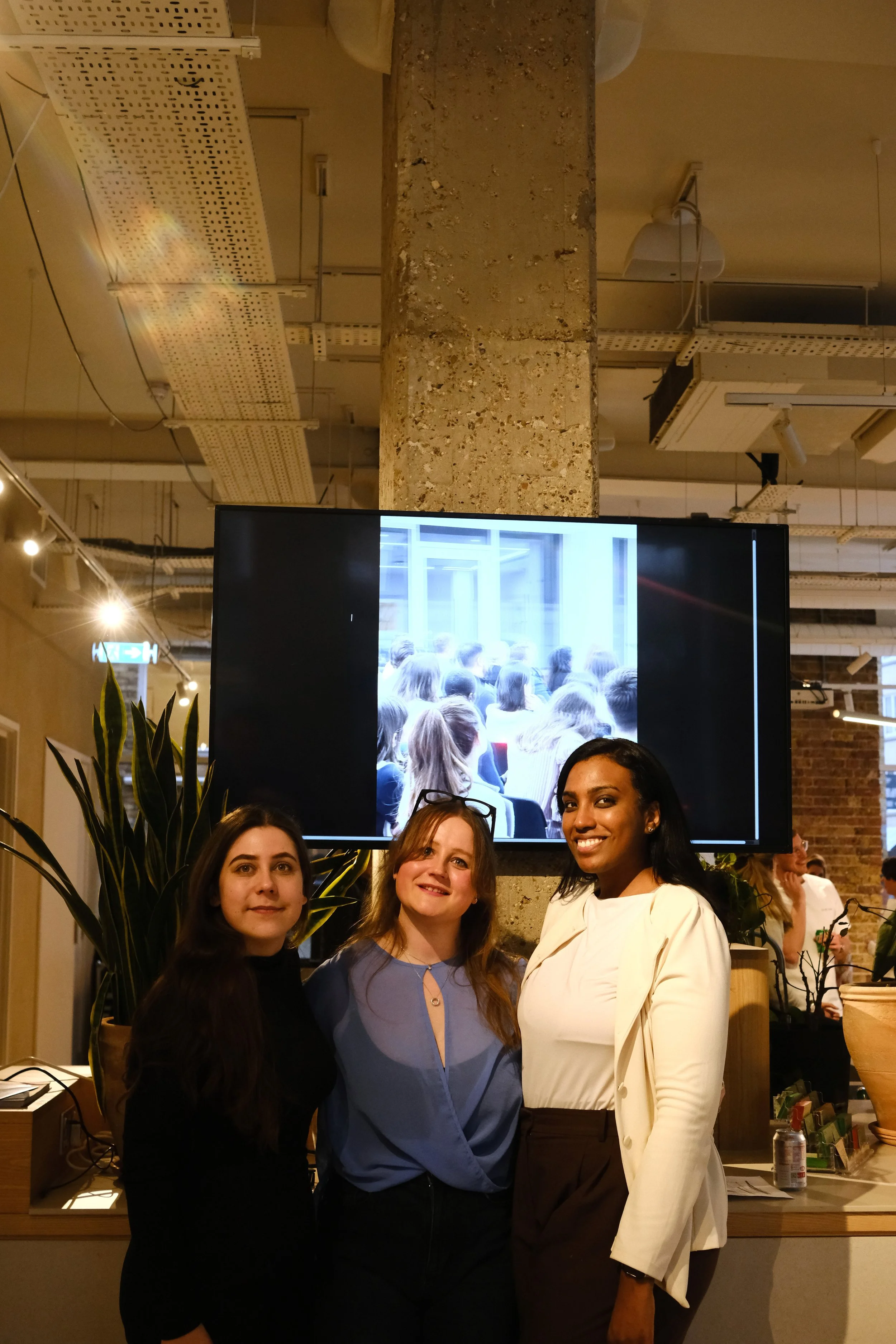
The panel was held by NextGen board member Fiona Du Frense, and featured Branca Pegado, Associate Architect at Article 25, Lauren Totzke, Director at Totzke Limited, Luke Bajic, Specialist Product Consultant at Solus Ceramics and Matteo Bonotto, Design Manager at Agilité.
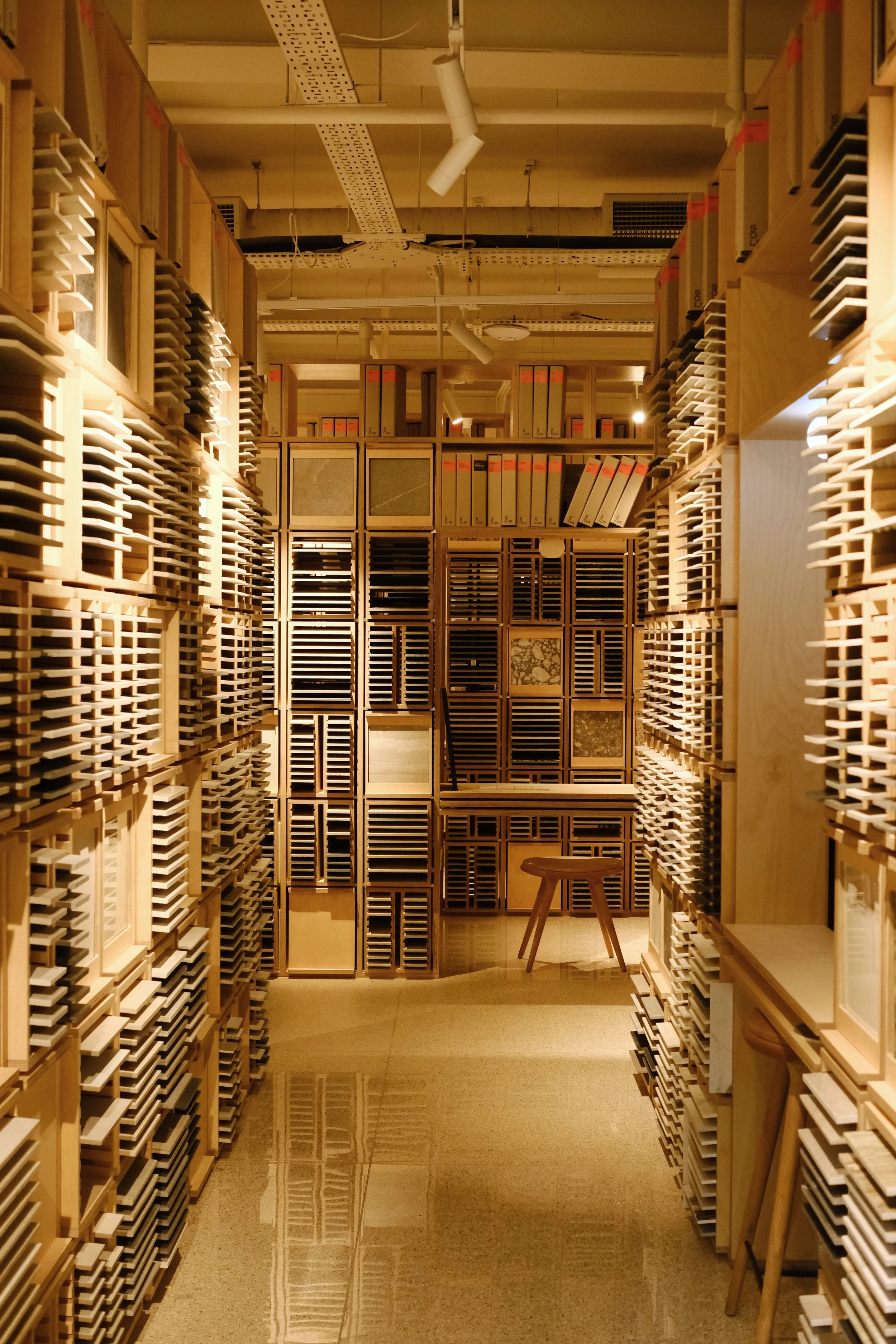
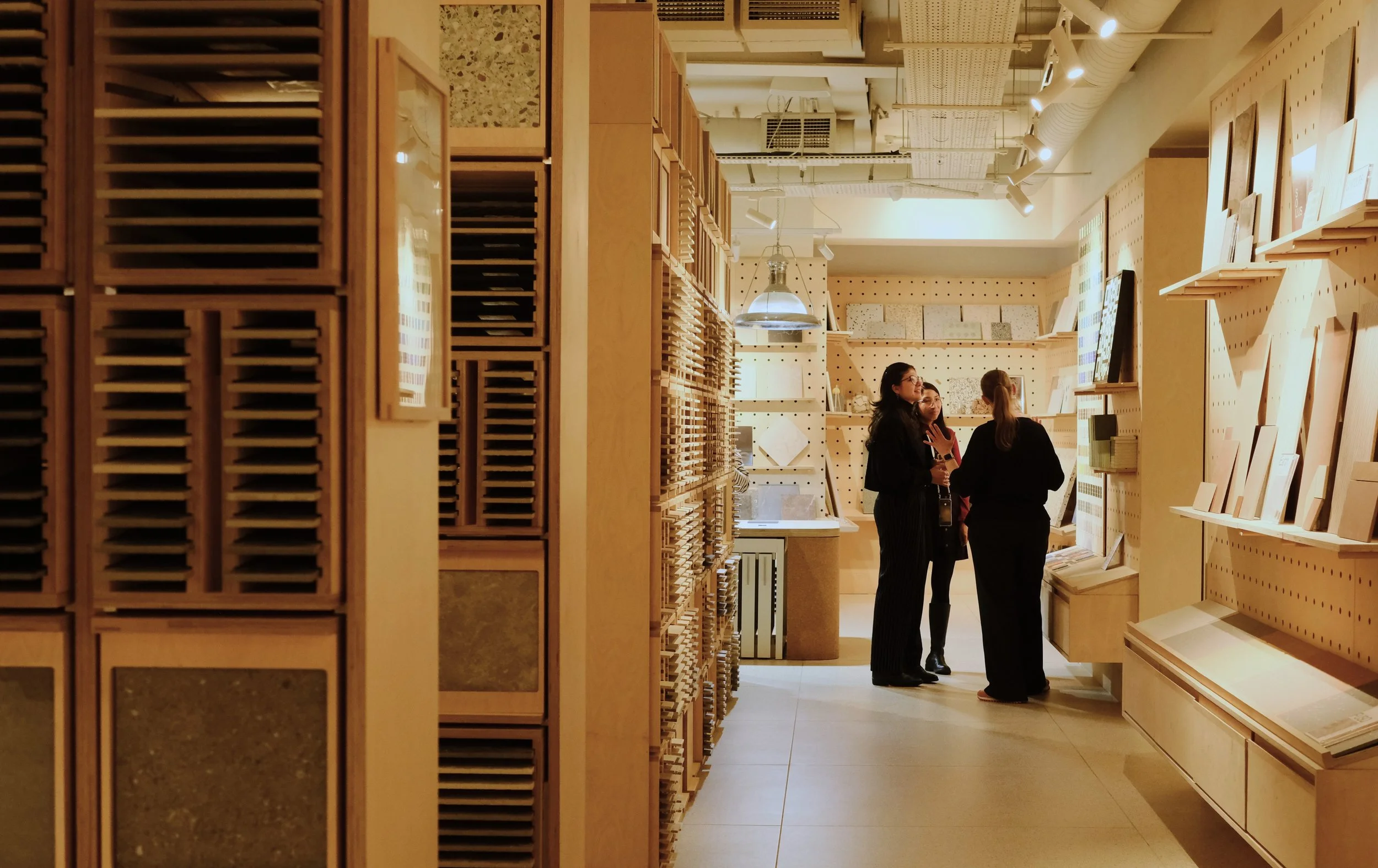
You couldn’t help but reflect on the central question of the evening even before the panel began. As you entered the Solus Ceramics Showroom, who were the hosts of the evening, you were prompted to consider your responsibility in selecting materials. Beyond ensuring that they are appropriate for the client and design, are they resilient and sustainable? What responsibility does an architect have beyond client satisfaction when specifying materials?
"The conversation around specifications shouldn't stop at the design team - contractors need a seat at the table from the very beginning."
Matteo Bonotto opened the discussion from the perspective of a commercial contractor, outlining Agilité’s close relationships with a diverse network of subcontractors and suppliers. He offered valuable insight into how the company navigates situations where sustainability or ethical sourcing conflicts with programme demands. Matteo highlighted a reoccurring shortcoming with the industry, which is the tendency to overlook real-world tensions. These include programme constraints, budget, availability from buyers, projects environmental and ethical objectives.
He emphasised that carefully and transparently managing these tensions is to key to achieving a sustainable outcome. He also stressed that the importance of open dialogue within project teams when specifications are difficult to meet, and advocated for involving contractors in early-stage decision making rather than treating them as an after-thought. This was an insightful take-away for me, as an Architectural Assistant to extend the conversation of specifications to contractors to foster open dialogue, rather than passing on responsibility down the line.
"Prioritising certified materials on large surface areas while creating 'innovation zones' for artisanal producers keeps sustainability standards from flattening the richness of design."
It was valuable to hear from Solus’s Luke Bajic on the challenges of preventing sustainability standards from unintentionally homogenising the material palette, while ensuring that smaller, artisanal producers who may lack Environmental Product Declarations (EPDs) can access commercial projects. He emphasised the importance of prioritising certified materials with EPDs in large surface areas, such as lift shafts, while introducing “innovation areas” within projects. These smaller zones allow for the inclusion of non-EPD materials, supporting diversity and craftsmanship in design. This was especially impactful after touring Solus’ showroom, and getting a taste of their seemingly infinite palette of materials.
Throughout the panelists’ discussions, you were left wondering what does ethics and sustainability mean when it comes to specifying materials, and how do these definitions change and transform in specific situations?
While reflecting on the diversity of craftsmanship on design, Lauren Totzke introduced the world of carpets into the discussion. She shared her journey from the outset, driven by a goal to achieve more sustainable flooring by sourcing from smaller suppliers producing interest products and bringing them into the London design community.
"Responsibility in specification is not a fixed definition - it is a continuous negotiation between ethics, context and the realities of delivery."
Her path led her to a factory in India with a strong commitment to social responsibility. She described how her rugs are produced in a facility that is off of the electricity grid, prompting an important question: how can such practices be fairly measured against standard EPD criteria? Lauren emphasised the need to recognise different methods of evaluation when working with natural materials. Rather than focusing solely on the material itself, she encouraged a broader perspective - considering who made the product, how they were paid, and the social impact of its production, both positive and negative. Her holistic approach to sustainability and social responsibility closely echoed Article 25’s ethos, how architecture is used as a medium to enhance the community it serves.
Finally, Branca Pegado offered insight into how Article 25’s experience working across diverse contexts shapes the practice’s approach to materials and construction. She explained how their work is inherently informed by place, by the resources available locally and the communities they collaborate with. Central to this approach is the need to make specification information accessible to those involved in delivering the project, ensuring clarity across varying levels of expertise.
Branca highlighted how the process differs significantly from standard UK practice. While designers in the UK might begin by visiting showrooms such as Solus Ceramics to define a material palette, Article 25’s work often starts with building a team of local experts who play a key role in shaping the project. This is followed by an in-depth understanding of local architecture, construction methods and colonial heritage. The team then assesses what is realistically available, visiting local suppliers, similar to UK hardware stores, and reviewing existing buildings constructed by local contractors to understand material performance and local capacity at similar scales and programmes.
She also emphasised the importance of engaging with educational institutions, such as colleges and secondary schools offering professional training, to embed knowledge within the specification process. Reflecting on the Housing Recovery Project in Dominica, Branca described how Article 25 developed a toolset to support ongoing construction beyond their direct involvement, enabling long-term impact. Her insight underscored the importance of grounding material decisions not only in availability, but in context, performance, and long-term resilience.
Ultimately, the discussions that were held throughout the panel made it clear the responsibility in specification is not a fixed definition, but a continuous negotiation between ethics, context, and practical constrains. The panel encouraged a reflective and collaborative approach that extends beyond design intent into the realities of delivery and impact. As a part of the NextGen, it is this ongoing questioning and willingness to engage with complexity that will shape a more responsible and resilient future for the built environment.
🔹Written by Article 25’s Architectural Assistant, Ecem Gidergi, this piece is part of our ‘Voices from NextGen’ series, sharing insights from the next generation of built environment professionals. Thank you to Tim Emmens for the beautiful photo selection.
Interested in attending our upcoming NextGen events?
Find out more about the event series open to all members of More Than a Building. Get in touch: next-gen@article-25.org.
