
Building the future of leprosy research in Nepal
For nearly 70 years, Anandaban Hospital has stood at the heart of Nepal's fight against leprosy – treating patients, training clinicians, and hosting a Mycobacterial Research Laboratory whose work has shaped leprosy care and policy far beyond Nepal’s borders. Today, that research is entering a new chapter, on a new site, built to last.
A project halted by disaster
By late 2024, Article 25 had spent two years working with The Leprosy Mission on a purpose-built replacement for the research laboratory's ageing, overstretched building at Anandaban.
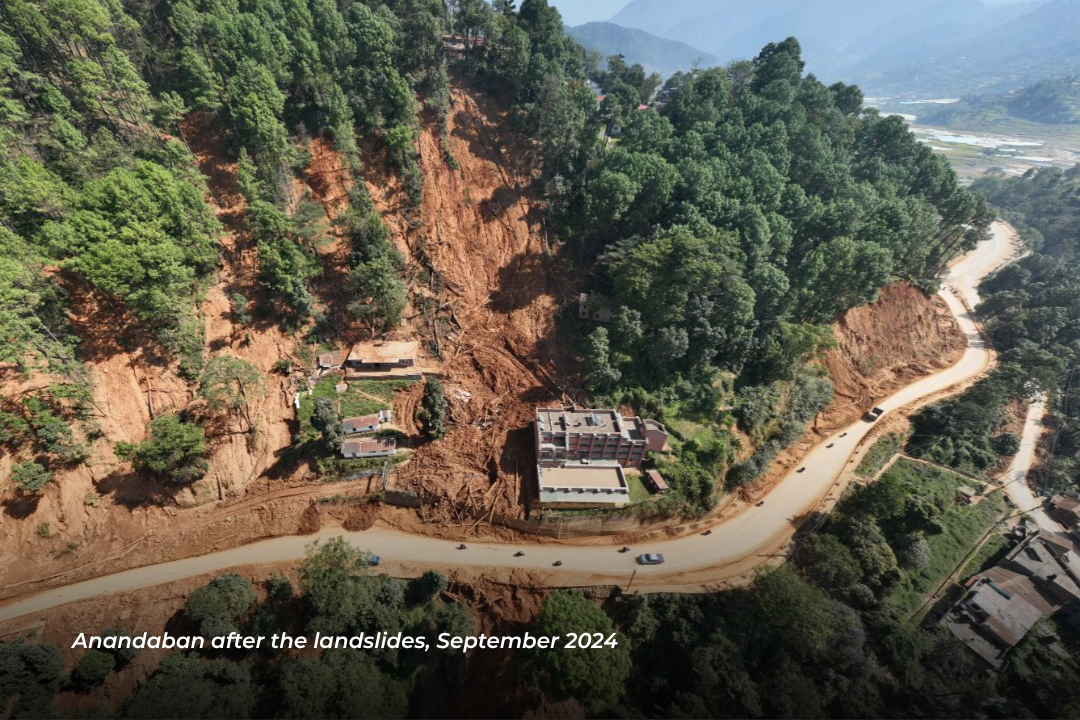
The design was complete and ready for site. Then, on 28 September 2024, catastrophic landslides tore through the hospital campus, destroying buildings and halting vital services. The proposed lab site was among the areas affected, and the construction tender was cancelled.
Finding solid ground
With the long-term safety of the original site in doubt, The Leprosy Mission took the difficult decision to look for a new site for the lab.
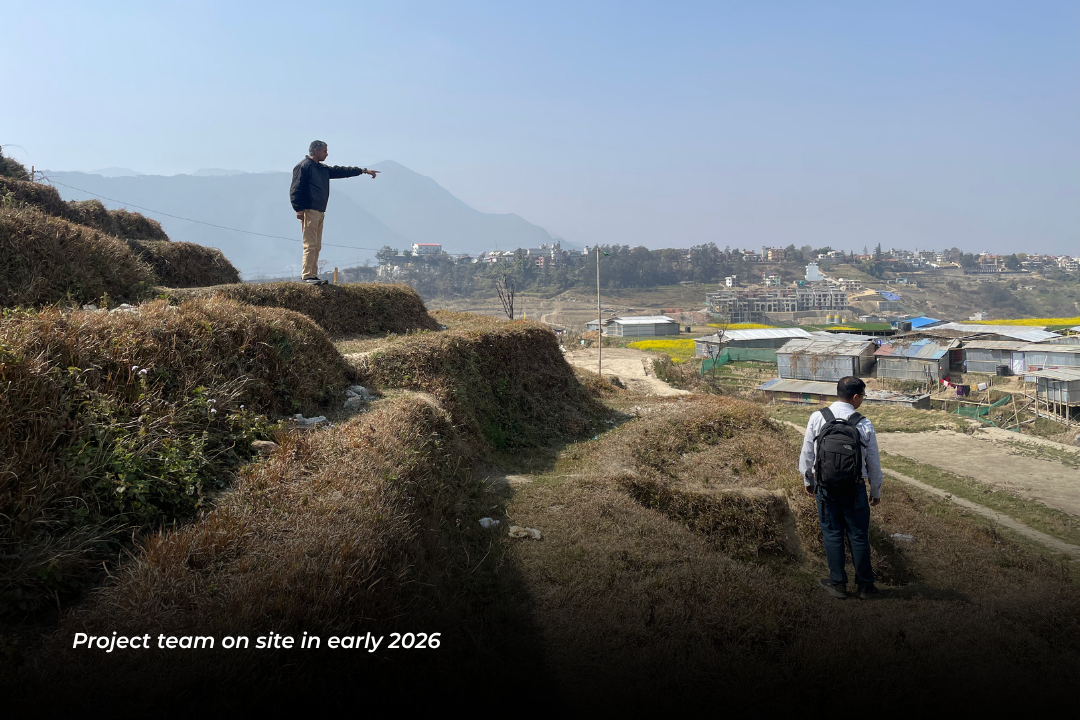
Throughout 2025, The Leprosy Mission Nepal searched the Kathmandu Valley for a new home for the laboratory, ultimately securing a plot at Sunakothi, a historic Newar village in Lalitpur - accessible for both staff and patients, and with a more manageable risk of future landslides. The purchase completed in February 2026.
Designing again, together
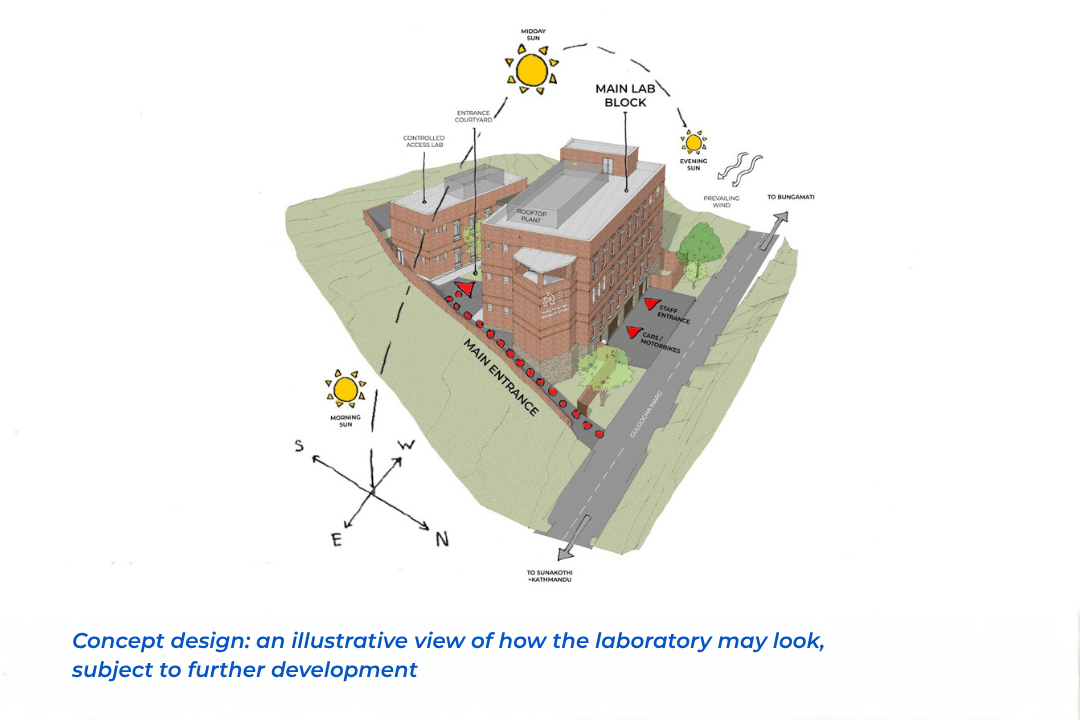
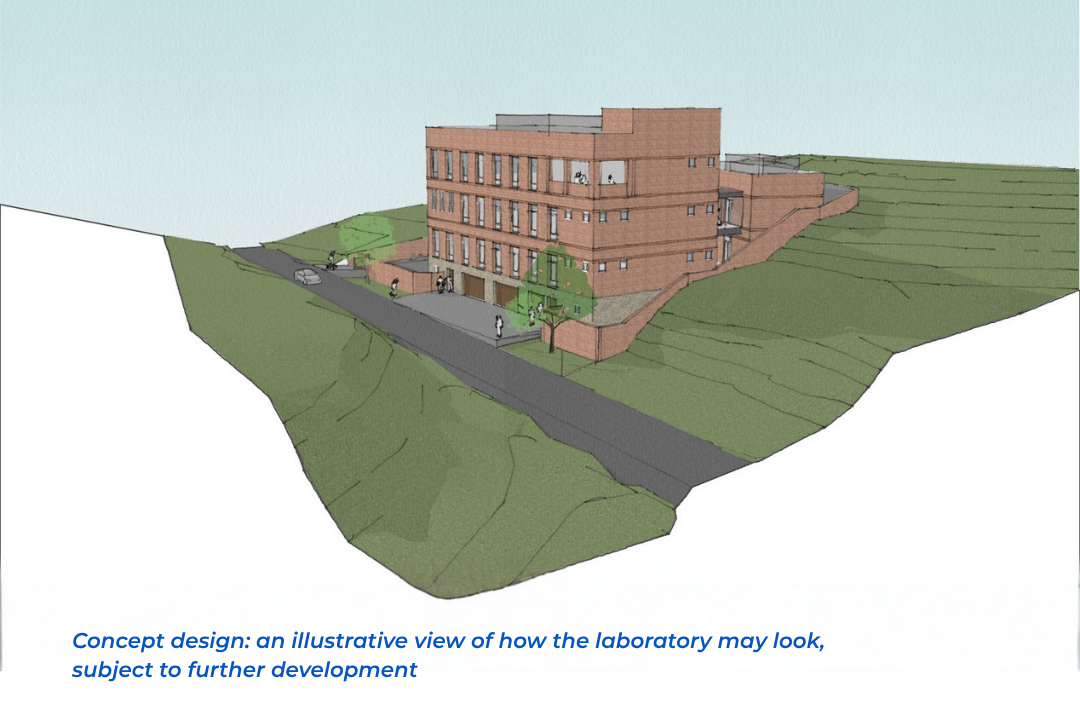
At the start of 2026, Article 25 began reworking the laboratory design for its new setting - a steep, terraced site 1,300m above sea level, overlooking the Nakkhu River valley.
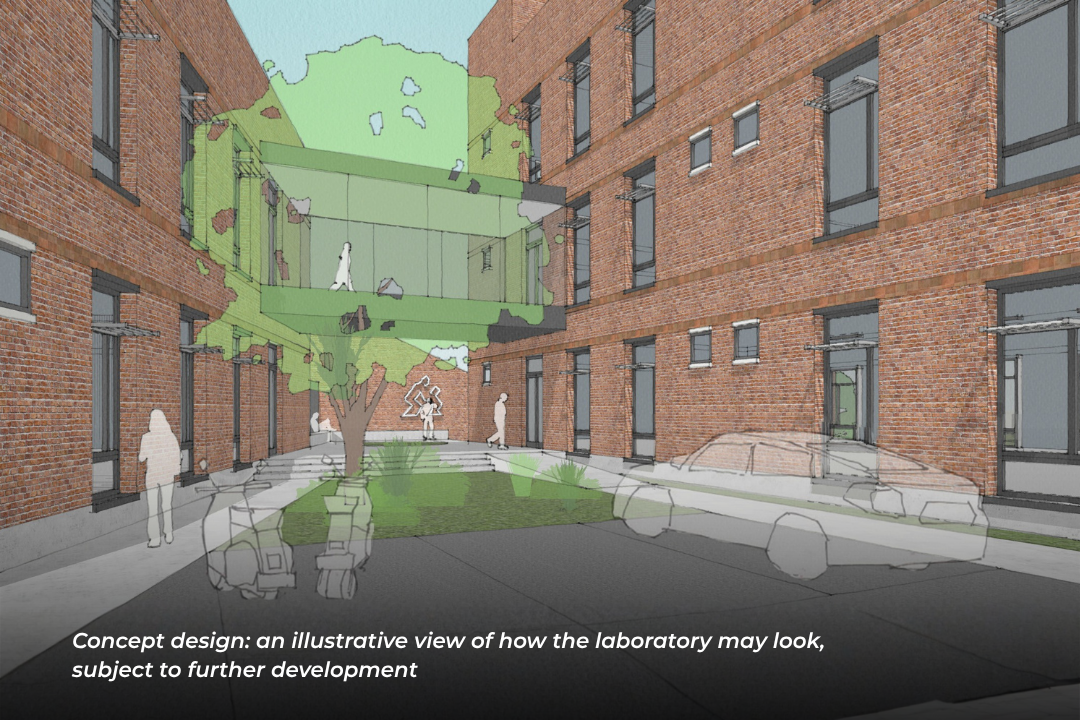
In June 2026, The Leprosy Mission Nepal approved an agreed concept design: a four-storey, 2,000m² laboratory and vivarium built to sit into the hillside, clad in locally sourced stone and brick, and designed to the highest standards of resilience and hygienic performance.
It is a design shaped by the same collaborative approach that has guided Article 25's work with The Leprosy Mission since 2015 - from the post-earthquake Masterplan, through the Trauma Centre, and now this laboratory.
Partnership under pressure
None of this progress has been easy. Since the landslides, The Leprosy Mission Nepal and Anandaban Hospital's staff have kept research and clinical services running from temporary, rented premises across the Kathmandu Valley – a testament to their resilience in genuinely difficult conditions.
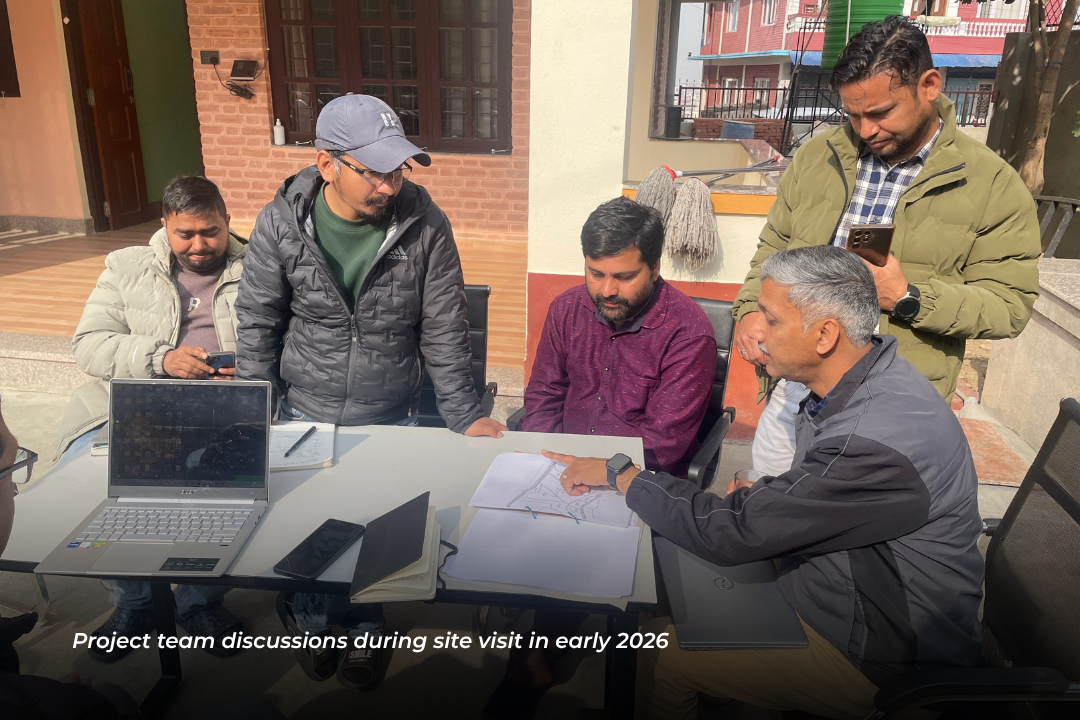
Delivering a project of this complexity, on a remote and challenging site, has depended on close collaboration between The Leprosy Mission Great Britain and The Leprosy Mission Nepal, and Nepali engineering partners Miyamoto (structural) and Subesha (MEP), who are carrying the design through to construction alongside Article 25.
What's next
With concept design agreed, the team is now developing the detailed design, working towards submission for planning permit approval and a start on site construction in the new year.
When complete, the new laboratory will give The Leprosy Mission Nepal's researchers and Anandaban's clinical staff a fit-for-purpose home for the first time in decades - built for the climate, the terrain and the vital work it will house for generations to come.
This is more than a building. It's a foundation for the world's leprosy research to continue safely, sustainably and close to the community it serves.
