
Article 25: Voices across Africa
Meet the voices behind our projects in Tanzania - the architects, partners and community leaders building lasting change.
“It takes a village” so the old, infamous African proverb goes “to raise a child.” But who is building that village?
Article 25 have a proud history on the continent of transforming lives for two decades now, designing and delivering sustainable buildings across Africa and beyond. Equipping communities in Niger with an award-winning college to send their children to; meaning disabled children in Tanzania are cared for and looked after; ensuring children in Morocco can smile again thanks to a new dentistry clinic. So, when the village raises the child, they do so in our buildings - designed in London, delivered by our teams on the ground.
It is these teams who ensure our projects truly serve the communities. In truth, the delivery of over 100 projects is because of this collaboration, which lies at the heart of our approach. These skilled local teams include our site architects, engineers, craftspeople, construction partners, and of course our clients.
This is the story of those whose voices, work, and wisdom bring these buildings to life!
“A place to call home”
For Paulina-Shari Stanley, Article 25’s Site Architect, being on site at the Kao La Amani Children’s Village in Tanzania isn’t just a job, it’s personal. Paulina-Shari works day in day out on site, picking up architectural defects and liaising with third party contractors; importantly she ensures the kids have “a real home” to live in.
To her, “I love the fact that [my work] actually impacts the community and the children who, in risk environments,” she says “never really got the chance to have a real close family.” To Paulina-Shari, her work on the Children’s Village “is a dream come true.”
Her words are echoed by Monica Tukai (Mama Monica to all the kids). Mama Monica recalls that “before [Kao La Amani was built], we stayed in a rental house for the last 20 years. And it was very, very terrible life.” Mama Monica pauses, to reflect. “But since we came here, it’s a big change we have seen. The children are happy. Very happy. Because this is our new home.”
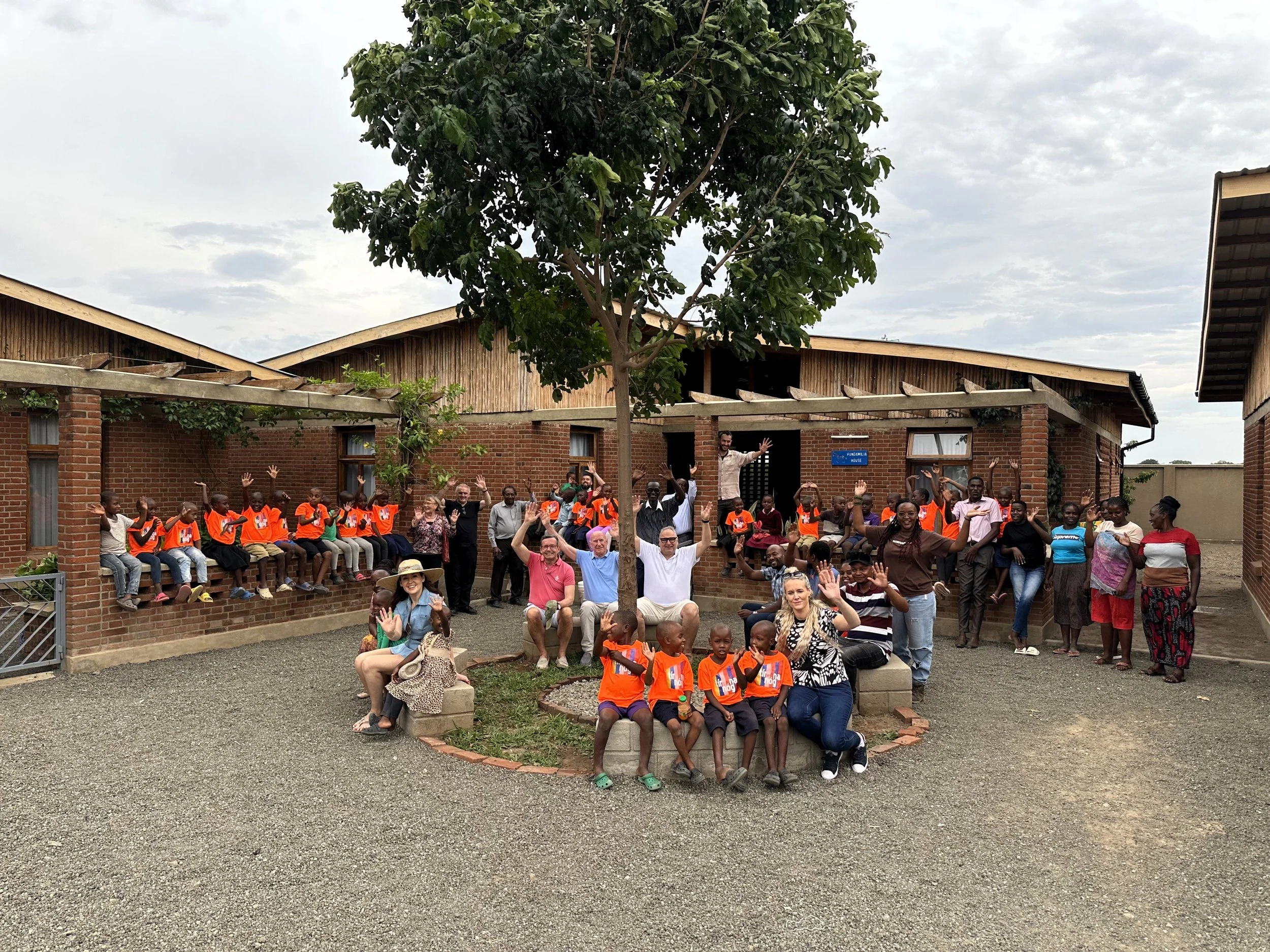
Kao La Amani Children’s Village, Tanzania
Sustainability, rooted in place
Across all our projects, local knowledge shapes sustainable solutions. It’s about building with what’s available and what will last for local communities.
“We reached out to different craftsmen” Paulina-Shari elaborates, “to source the best local materials that are more sustainable.” For example, the bricks were from “a local craftsman [who] produces them using rice husks and clay soil, so there's less carbon footage being emitted. And the volcanic rocks are locally found, and there’s less transportation. It was more sustainable.”
This is the case for every project and underscores a dedication to sustainable construction practices and environmental responsibility. Our College Hampaté Bâ in Niger is testament to this: receiving the 2024 RIBA International Award for innovative and sustainable design.
Gyormbey Kodzo Adali–Mortty, our Site Architect for this project, put’s that his time supervising the college build was “enriching.”
Gyormbey moved countries to take up this role and credits that he “benefitted from learning more about local materials and their proper exploitation for future projects” during his time supervising the college’s build.
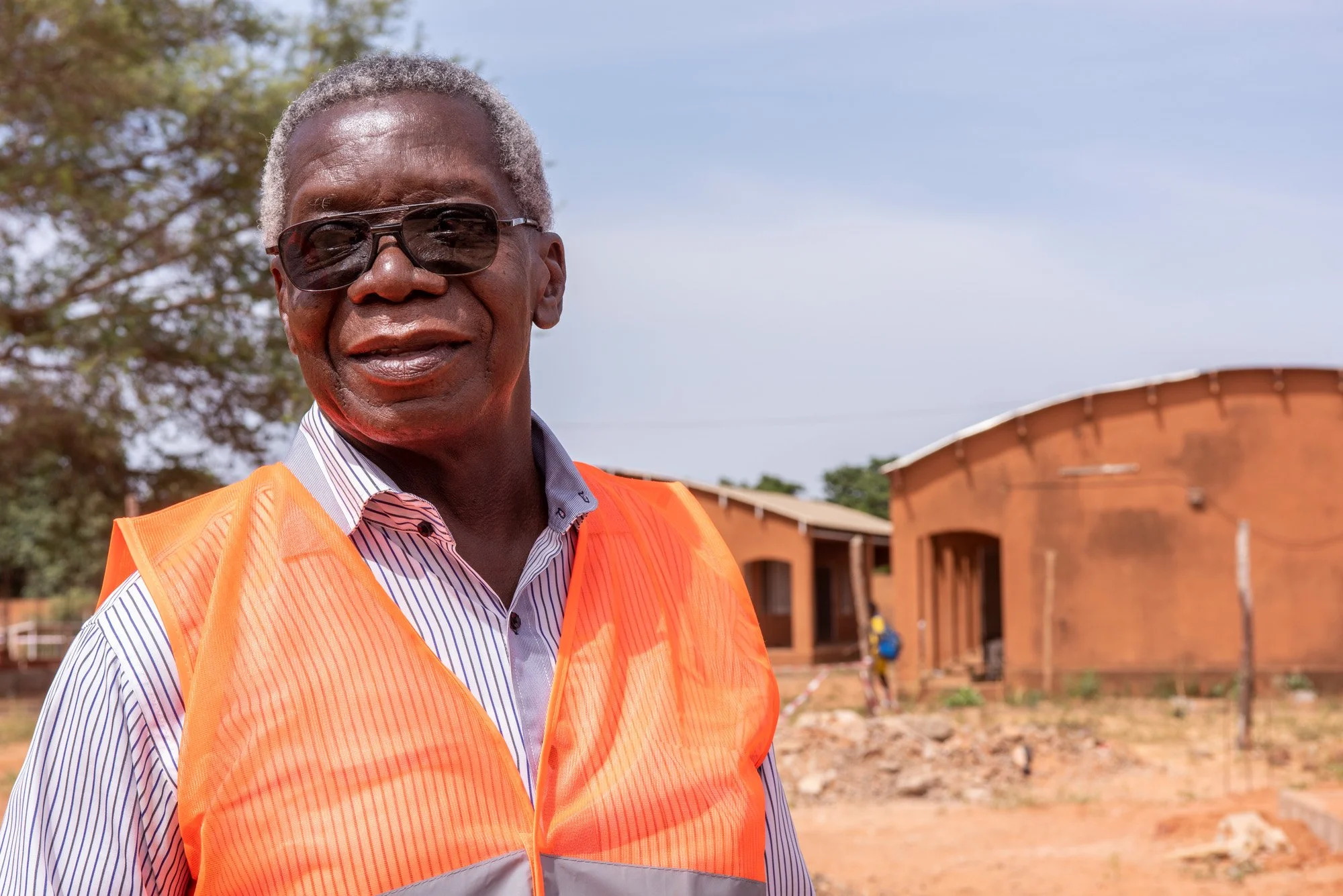
Gyormbey Kodzo Adali–Mortty during construction phase of Niger College. Credit: Grant Smith.
Designing for everyone
At Child Support Tanzania in Mbeya, inclusive design isn’t an afterthought – it has to be foundational. “The school environment is very friendly for all categories of children with and without disabilities,” explains Noelah Msuya, the organisation’s executive director. “You can see yourself the standards, the quality of our buildings, our classes, but also the environment.”
To Site Architect Pascalia (‘Lyia’) Harold, Article 25’s focus on inclusive design shone through our actions and our words. “The verandas are well connected, which makes it easier for the kids - especially those with special needs - to access each class. Article 25 made the design well for kids with disabilities.”
It is important to all our team that we deliver to the highest standards which meet the unique context faced by each community to ensure our spaces are dignified, durable, and deeply rooted in local needs. As Lyia put it, “[Article 25] really design according to people’s needs. That makes all the difference.”
Relationships that last
At the heart of these projects is the relationship – the partnership – between Article 25 and our clients.
For Noelah, “Article 25 is ideally active … They are behind the front line, making sure we’re getting the support we need.” She reflects that “[Article 25] volunteered their time … to ensure good drawings and to fundraise for us.”
Peter McDonald, leading a sustainable development initiative in Rwanda, adds that Article 25 “provide[d] significant credibility” to his charities vision. Highlighting that our “caring, genuine, and professional” engagement - from design to sustainable systems – “is not only unique in East Africa, but possibly unique globally.”
This trust that our clients place in us is demonstrated by many returning to collaborate on further work or additional projects, such as with Operation Smile Morocco, or Child Support Tanzania.
Building better futures together
Each quote, each moment shared here, imbues Article 25: our history, our future, our vision.
These meaningful partnerships ensure users have real agency in shaping spaces they will use and love, strengthens cultural and social connections and enhances the longevity and relevance of the structures.
The facilities we design are more than buildings - they are catalysts for change. They provide real-world solutions to real-world problems voiced by real communities. Our work in healthcare, education, and housing contributes directly to achieving the United Nations Sustainable Development Goals, helping communities become more resilient, equitable, and sustainable.
Together, through innovative architecture and sustainable development, Article 25 continues to demonstrate how thoughtful architectural design can deliver a brighter, more resilient future for Africa and beyond.
As our Chief Executive, Gemma Holding puts it, “Our work in Africa exemplifies our mission, and we are excited to continue making a positive difference on the continent.”
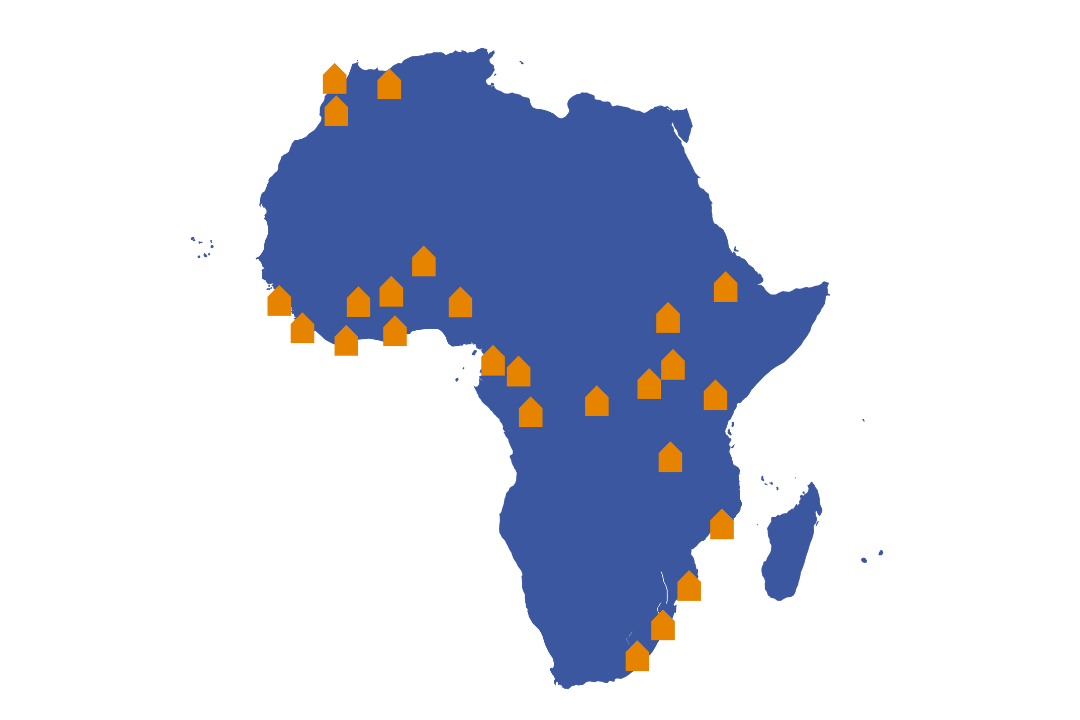
Map of Africa highlighting locations where Article 25 has delivered architectural projects.
