
Transforming healthcare facilities across the globe with Article 25

![rural+health+centre_4 [FOUND ON A25 OLD WEBSITE].jpg](https://images.squarespace-cdn.com/content/v1/64d3492af0d483774f4debbc/1745480610704-JIHJPXOJ71OF9HESORWY/rural%2Bhealth%2Bcentre_4+%5BFOUND+ON+A25+OLD+WEBSITE%5D.jpg)

This month saw many celebrating World Health Day – a day commemorating the founding of the World Health Organisation in 1948. Whilst World Health Day lasts just 24 hours, the need for adequate healthcare is constant. Article 25 understand this and have been delivering sustainable, resilient buildings in the places that need them most for 20 years now; transforming healthcare facilities across the globe.
At Article 25, we are proud to be award-winning architects and project managers with a track record of delivering over 100 successful projects across more than 35 countries. Our clients range from governments and international NGOs to the World Bank and private sector partners. Our capabilities are broad, our history deep.
As we reflect on World Health Day, we’re highlighting tremendous projects, past and present, designed and delivered in the healthcare space. For 20 years we’ve worked in diverse contexts - from remote regions to challenging climates - designing and delivering healthcare facilities that are accessible, resilient, and built to last.
Our strength lies in our team’s specialist expertise in healthcare architecture and project management. We work with our clients to deliver the highest standards and listen to local communities to enable better health outcomes through spaces that are dignified, durable, and deeply rooted in local needs.
With Article 25 every healthcare facility we deliver is fully operational and fit for purpose from the moment of handover.
The highest standard.
All our projects are designed and delivered to last, that’s why we develop them with NHS technical standards and guidance, to ensure our clients receive a good quality healthcare facility that meets international design specifications and high-standard benchmarks; this means applying NHS Health Building Notes (HBN) and Health Technical Memoranda (HTM).
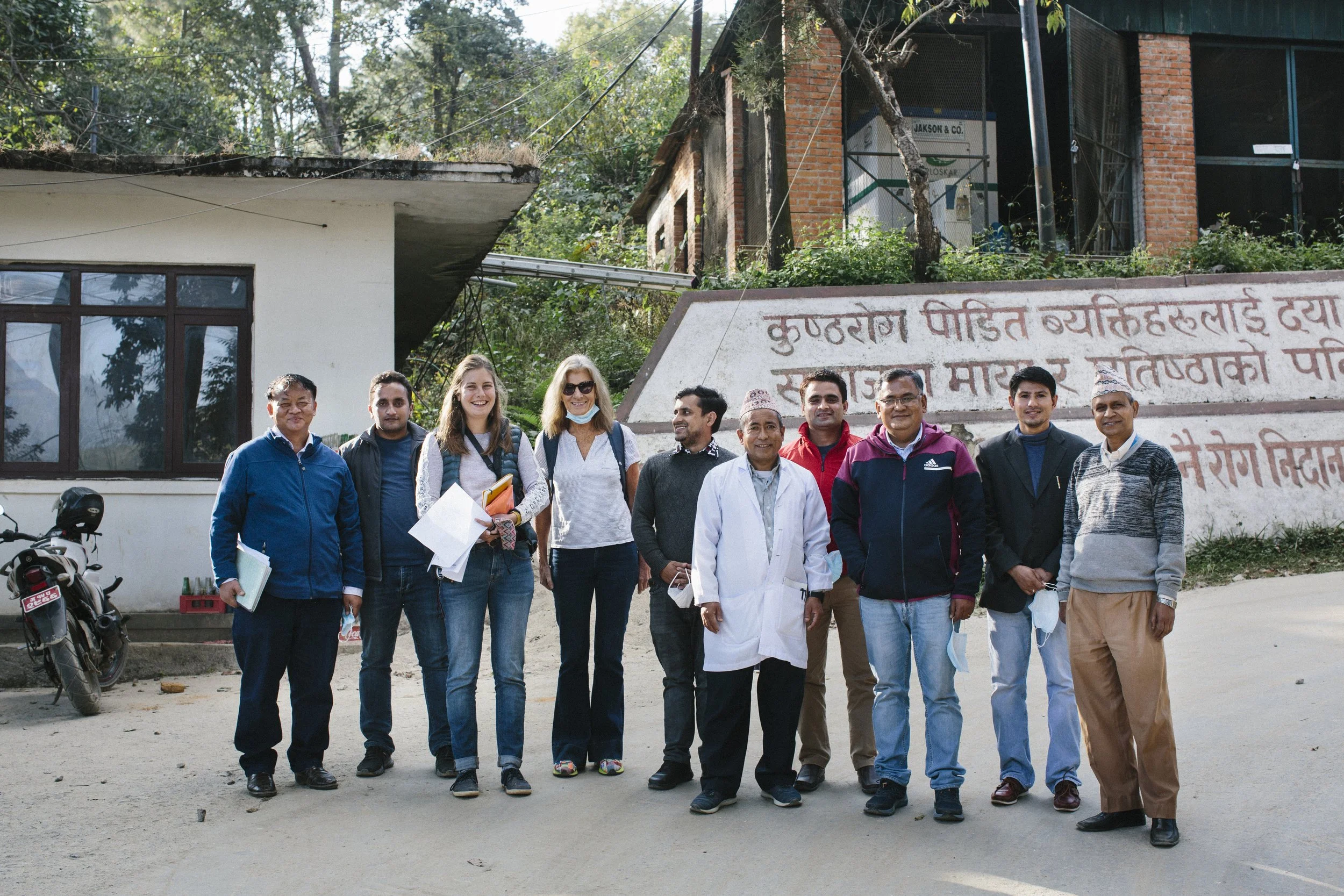
Our commitment to resilient, context-appropriate healthcare infrastructure is exemplified in the Anandaban Trauma Centre in Nepal, delivered in partnership with the Leprosy Mission- a long-time partner of Article 25. As our Senior Architect Toby Pear notes, this project is an example of how Article 25 marry technical expertise with context-appropriate solutions. Built using bricks sourced from within the Kathmandu Valley, the centre was designed to be resistant to the significant earthquake and landslide threats while providing a dignified, functional and beautiful space for patients and staff alike.
The Anandaban Trauma Centre adapts well-established construction techniques with stringent seismic safety standards. The facility includes an Accident and Emergency Department, inpatient wards, operating theatres and a maternity unit. It serves leprosy patients as well as patients from the local community.
The Leprosy Mission’s Sian Arulanantham, Head of Programmes, brings this all together when she highlights that “Article 25 delivers to the standard needed for healthcare in the 21st century. We value the technical skill they bring to the process; this was essential in Nepal where we are building on the side of a mountain in an earthquake zone.”

Anandaban Hospital Trauma Centre, Nepal
Context is key!
No two projects are the same, and will always be developed to meet the unique challenges of their geographical, climatic, socio-political, and economic context. So, whilst we work to British (NHS) standards, we ensure each design fits the specific context of every project.
The impact of context in design and delivery of Article 25’s projects is highlighted by our project partners who continue to use our services; such as the Leprosy Mission, who again sought our architecture and project management skills in Purulia, India.
The Purulia Leprosy Hospital was established in 1888 and holds an important place in the history of the treatment and understanding of leprosy in India. Today, the hospital serves around 40,000 patients a year. When Article 25 started work on the project, it was over-crowded and out of date.
Working with the Leprosy Mission, Article 25 designed and delivered a new Outpatient Department, as well as a dedicated facility for staff training and community-based rehabilitation.
In Purulia temperatures can reach 45 degrees Celsius, making it crucial for the buildings to remain cool on hot summer days. Our team designed each space with this in mind, including shading and directed cross-ventilation in all parts of the new building. The long roof overhangs protect the internal space and patients from the high summer sun, while high-level vents allow for natural ventilation throughout.
This approach is taken on all our projects: we design buildings that work with their climate and context; maximising natural cooling and ventilation whilst reducing reliance on costly mechanical solutions as far as possible.
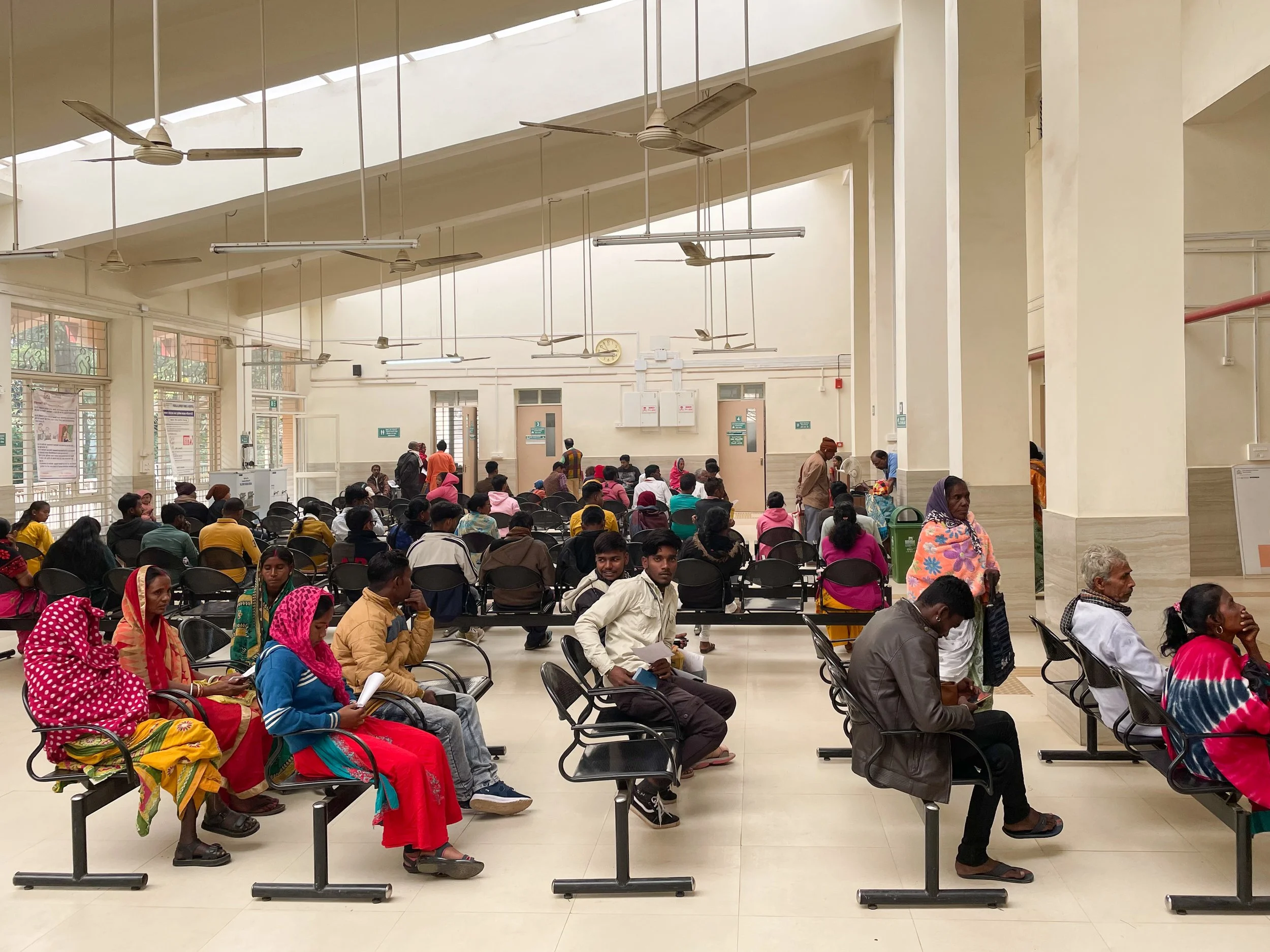
Purulia Outpatient Department, India
A collaborative approach.
From Morocco to Myanmar to Montserrat, Article 25’s collaborative ethos is embedded in every project we undertake, because our architects and project managers understand that successful design starts with engagement.
As one of our project partners put it, “the collegial and consultative process of design by Article 25, with the various health and government teams, has been essential.”
The process starts with visiting the existing facility or site to get a first-hand feel for learn the spaces, listening to all the intended users and ensuring their concerns are noted and considered, then developing the layouts closely with the hospital teams to ensure the spaces meet their requirements, their way of work, and that the equipment fits.
Nothing demonstrates this consideration for collaboration better than Yangon General Hospital, Myanmar, which saw a Masterplan developed in close collaboration with the Myanmar Ministry of Health and hospital staff.
To support Phase 1, Article 25 established a local office near the hospital site, enabling day-to-day coordination with our London-based team. Together, the teams addressed urgent priorities identified by the Ministry and hospital stakeholders - ranging from surface drainage and sewer systems to water supply, medical gases, and infection control. The plan also tackled seismic resistance, radiation protection, fire safety, and laid the groundwork for a new cancer treatment centre.
This project exemplifies our belief that truly sustainable healthcare design comes from listening first, then building together - with purpose, precision, and respect for local needs.
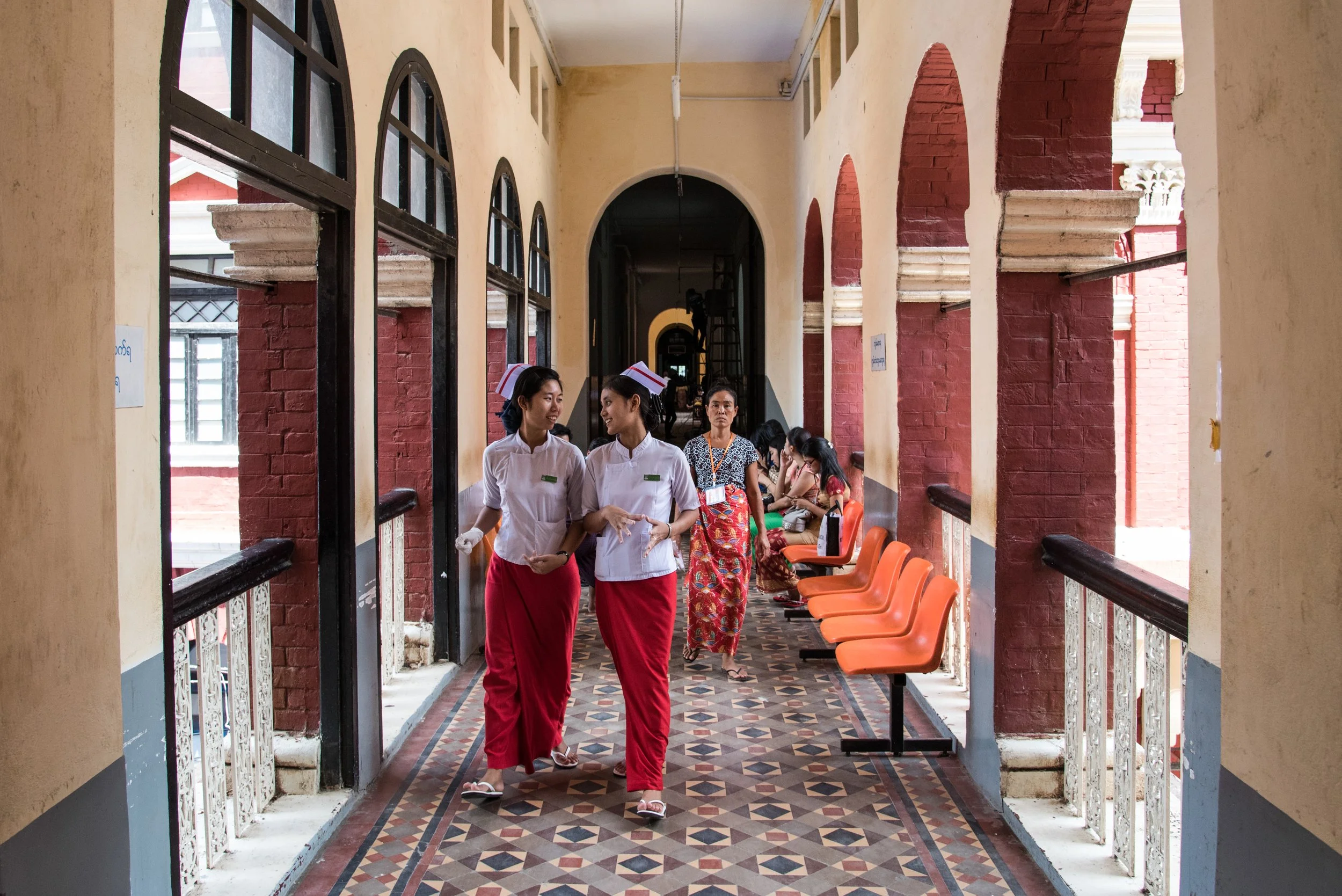
Yangon General Hospital, Myanmar
Delivering buildings that last; developing relationships which matter.
For Article 25 the success of our projects is best reflected in the trust our clients place in us; many returning to collaborate on further work or additional projects.
That trust is earned through the breadth and quality of our service: from transforming hospitals, clinics, maternity units, and laboratories to leading feasibility studies, site selection, and risk management, we offer a comprehensive suite of services. We handle everything from functional planning and architectural design to tendering, construction oversight, and final commissioning.
Our designs are always grounded in local context, shaped by user needs, and guided by NHS-level international standards. We work hand-in-hand with healthcare professionals, patients, and stakeholders to create environments that staff are proud to work in, and where patients receive dignified, quality care.
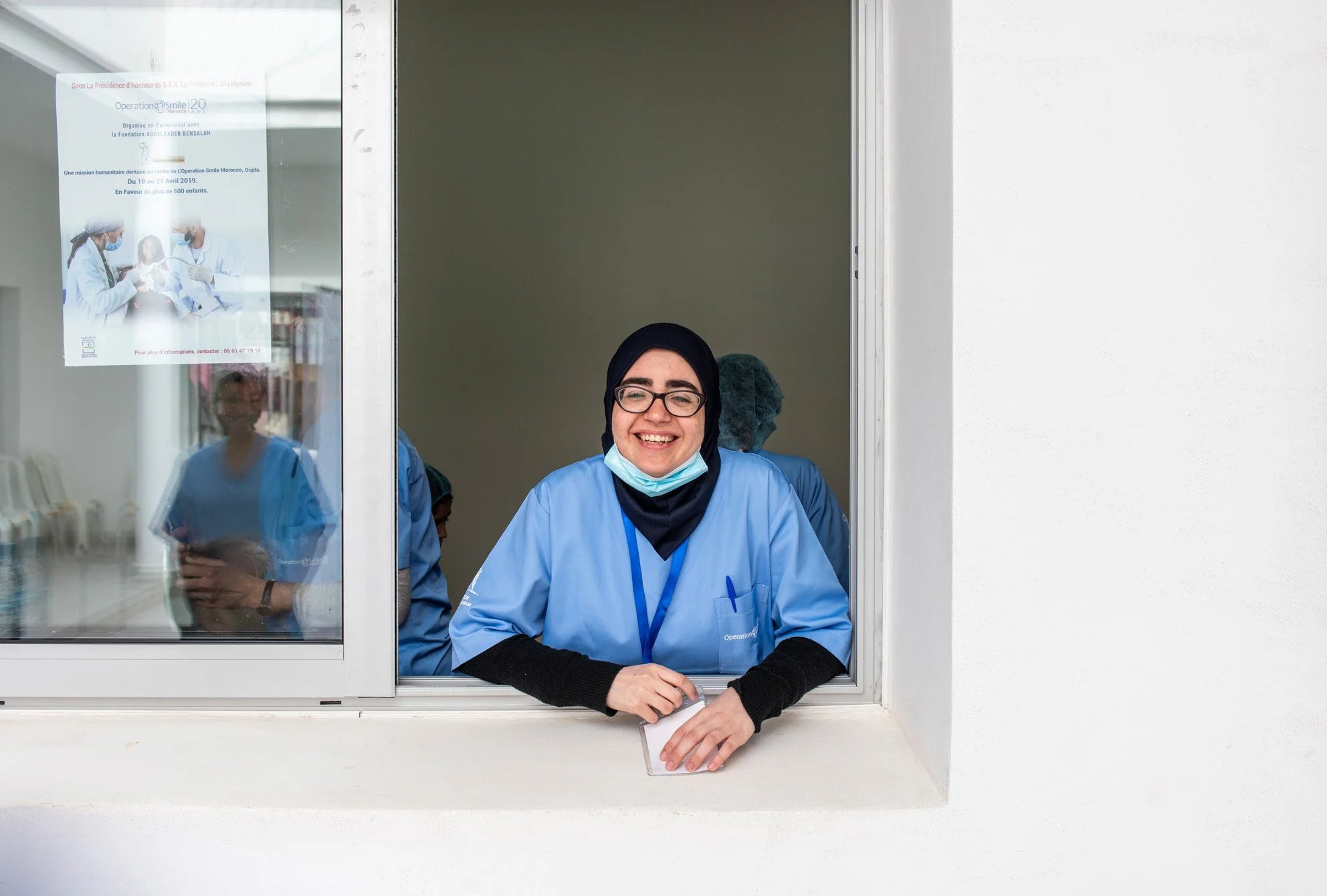
As Fouzia Mahmoudi, Vice President of Operation Smile Morocco, puts it: “Article 25 and their partners can’t be rivalled by any other construction team I have worked with, and we’ve now worked with them on three separate healthcare projects.”
The facilities we design are more than buildings - they are catalysts for change. They provide real-world solutions to real-world problems voiced by real communities. Our work in healthcare, education, and housing contributes directly to achieving the United Nations Sustainable Development Goals, helping communities become more resilient, equitable, and sustainable.
As architects and project managers, we bring the skills and insight needed to turn vision into reality. So, as April comes to a close and we pass another World Health Day, we celebrate the progress made and the progress still to come; our vision of adequate healthcare solutions through the built environment not quite completed – yet!
If you're interested in collaborating on a healthcare project - whether it's improving a local facility or delivering a life-changing clinic - please get in touch with our Chief Executive, Gemma Holding, at gemma-holding@article-25.org
Let’s build something life-changing, together.
