
Stronger by design: Architecture that withstands disasters and protects communities
Article 25 was founded 20 years ago in the wake of the 2004 Indian Ocean tsunami, when our founders recognised a critical gap: the built environment was not doing enough to prevent disasters. They set out to change this by embedding resilience into every stage of design and construction. That principle remains at the heart of everything we do today.
This year’s UN International Day for Disaster Risk Reduction carries the theme “Fund Resilience, Not Disasters.” It’s a powerful reminder that investing in resilient infrastructure now saves lives, protects livelihoods, and avoids catastrophic losses later.
For two decades, Article 25 has been delivering hospitals, schools, and housing in some of the world’s toughest environments - designing buildings that withstand earthquakes, hurricanes, volcanic eruptions, landslides, and floods. Here’s how our expertise has translated into real-world impact.
Earthquake-resistant housing, Pakistan
Following the 2005 earthquake in northern Pakistan, one of our earliest projects sought to address the devastation that claimed 75,000 lives and displaced 3.5 million people. Partnering with Muslim Aid, we rebuilt communities using earthquake-resistant housing designs tailored to local conditions.
By combining traditional construction techniques with seismic mitigation strategies, we created homes that were both safe and familiar to local residents. Beyond construction, our team ran “Seismic Mitigation” workshops, equipping communities with the skills to build safer homes long after we left. This knowledge transfer embedded resilience into everyday building practices - a legacy that endures.
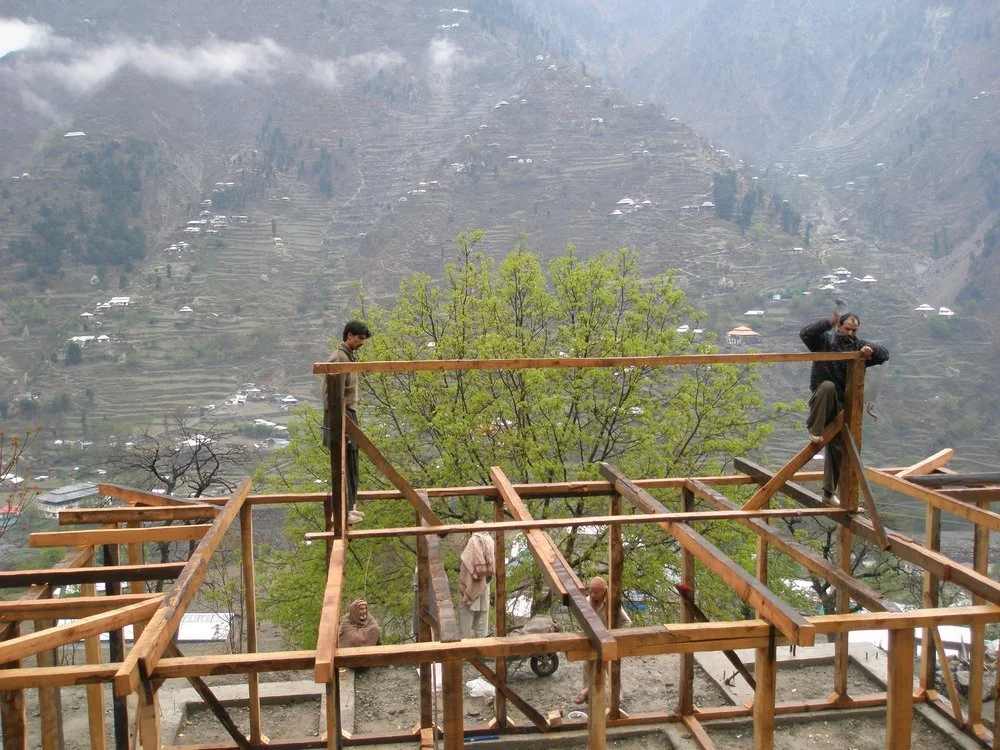
Construction for Earthquake Resistant Housing, Pakistan
New National Hospital, Montserrat
Fast forward 20 years, and we are delivering Montserrat’s new 57,000 square foot national hospital - a vital response to the island’s catastrophic 1995 volcanic eruption, which destroyed its only hospital.
Designed to NHS guidance and tailored to Montserrat’s reality, the hospital consolidates emergency, maternity, surgical, and diagnostic services under one roof. Crucially, it is engineered to withstand hurricanes and earthquakes, with crisis-ready features such as back-up water and electricity systems, an on-site water treatment plant, oxygen production for patients, and secure supply storage to sustain operations during emergencies.
By sourcing materials regionally and planning around shipping constraints, we have demonstrated that resilient healthcare infrastructure can be both practical and world-class - a base of operations ready to serve the community in the face of future disasters.
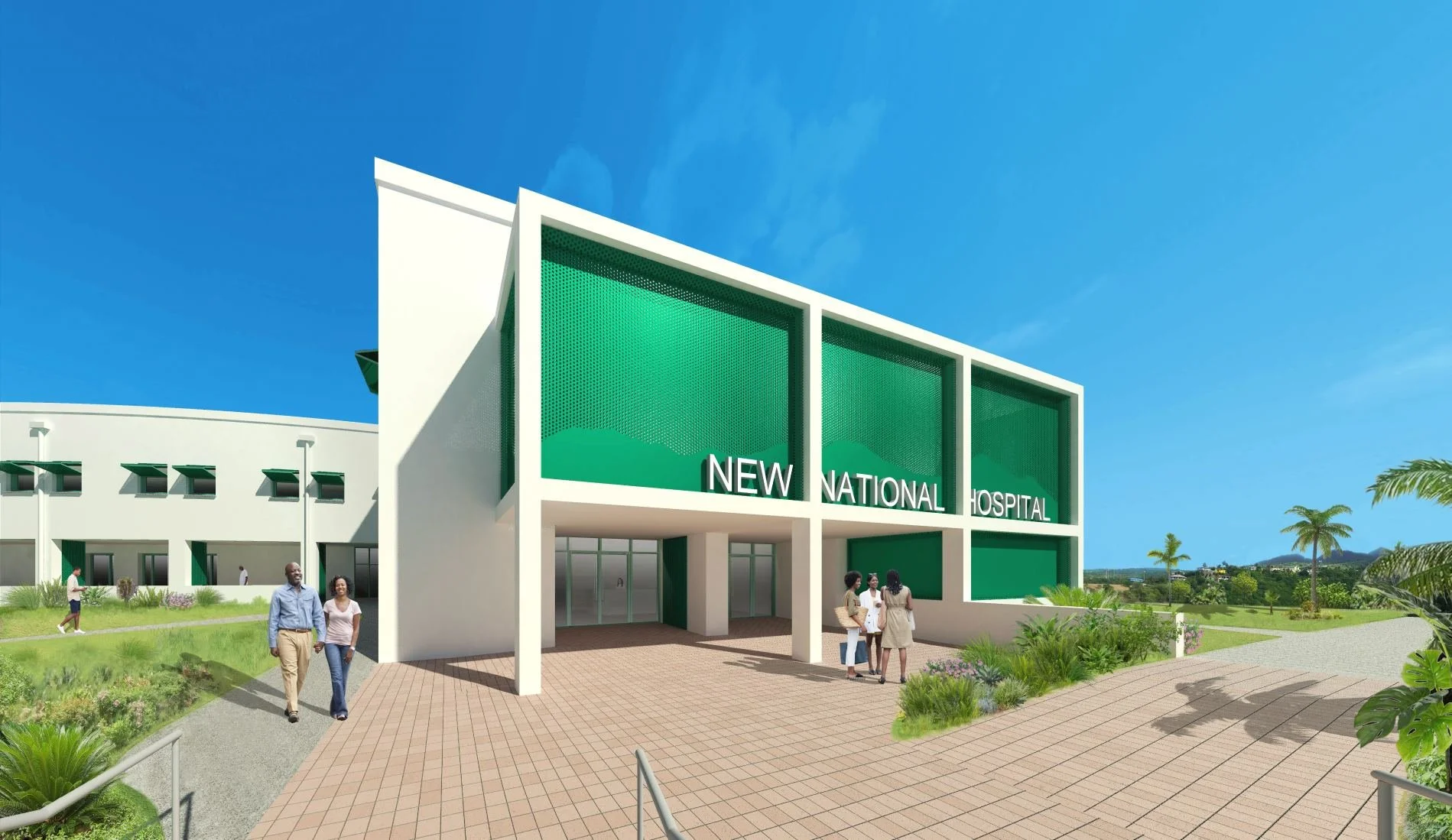
Project render from New National Hospital, Montserrat
Hurricane-resilient Housing Recovery Project, Dominica
When Hurricane Maria struck Dominica in 2017, 85% of homes were damaged or destroyed. In response, Article 25 led one of our most complex projects to date: rebuilding 450 homes across the island.
Working with the Government of Dominica and the World Bank, we designed six adaptable house models that incorporated disaster-resilient features: reinforced concrete construction, hurricane-resistant windows, flood protection, natural ventilation, and rainwater harvesting.
This project was not just about restoring shelter, but about restoring dignity, safety, and confidence in the face of an uncertain climate future. Today, hundreds of families live in homes designed to stand strong against the next storm.
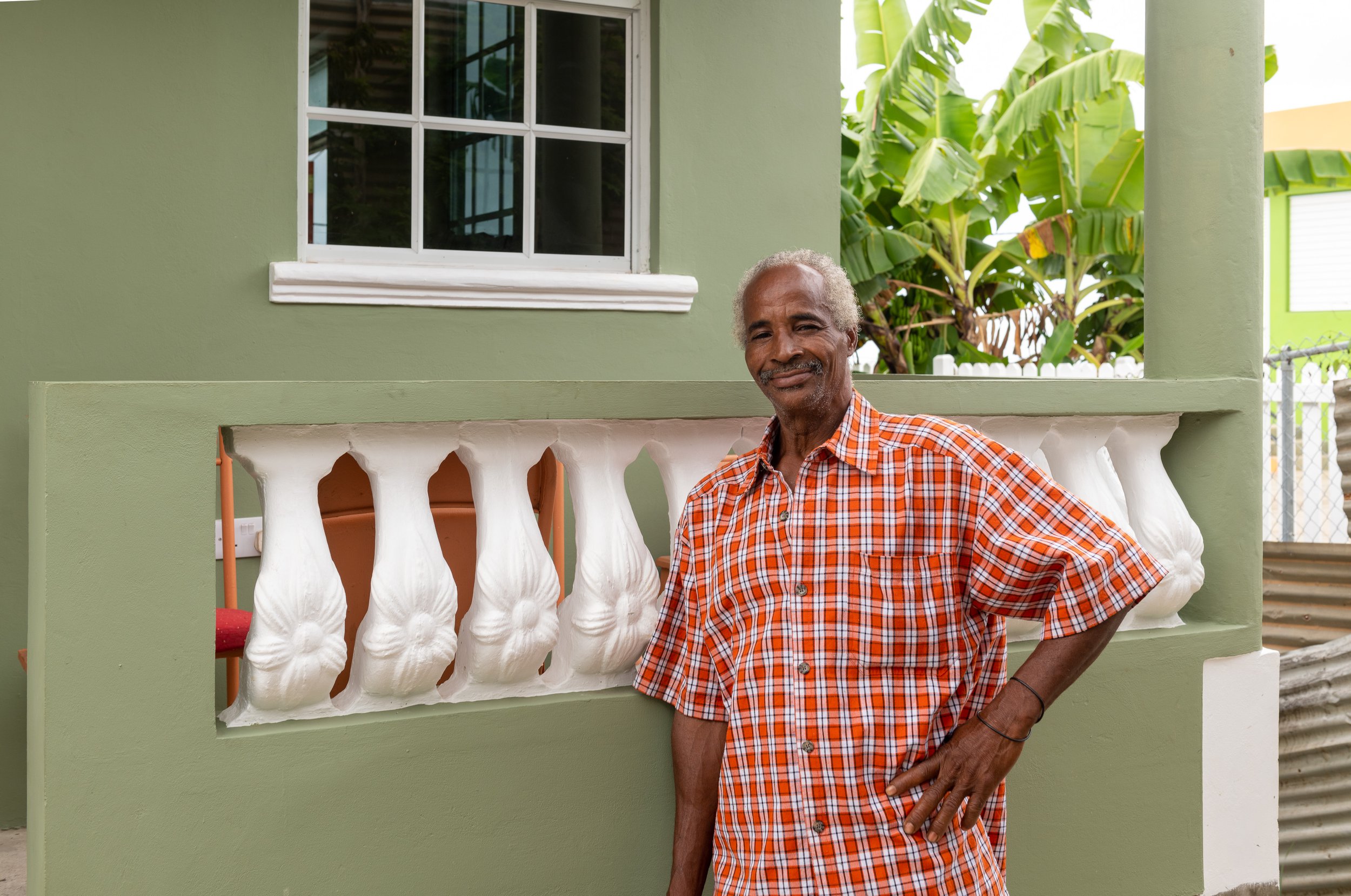
Housing Recovery Project, Dominica
Anandaban Trauma Centre, Nepal
In Nepal - a mountainous country that faces significant landslide risks every year during the monsoon, and one that sits in a highly seismic zone - Article 25 designed the Anandaban Trauma Centre.
Built on a hillside prone to instability, the facility incorporates retaining structures, seismic-resistant features and careful site planning to ensure safety and uninterrupted operations. Through co-design workshops with surgeons, nurses and patients, the layout also supports efficient trauma care, maximises natural light, and improves patient recovery.
In September 2024, when devastating landslides affected areas of the hospital site, the Trauma Centre was only minimally affected - proof that investing in resilient design protects lives and keeps critical services running when they are needed most.

Anandaban Trauma Centre, Nepal
Resilience as standard
From the Caribbean to the Himalayas, Article 25 has shown that resilient architecture is not an optional extra - it is essential. With more than 100 projects in 35 countries, we combine architectural excellence with deep community collaboration.
By using local materials, training local builders, and designing for extreme weather events, we create buildings that are safe, sustainable and rooted in place. Our expertise ensures that every project is not just a building, but a lifeline of resilience for communities facing the harshest challenges.
As governments and funders reflect on this year’s International Day for Disaster Risk Reduction, the message is clear: investing in resilient buildings today ensures that communities are safer, stronger and better prepared to withstand future natural hazards.
If you are planning a building project - whether healthcare, housing, or education - in a challenging environment, Article 25 can help you deliver it. Get in touch with us at projects@article-25.org
