
Delivering impact where it matters most: Key messages from the Fourth Financing for Development Forum
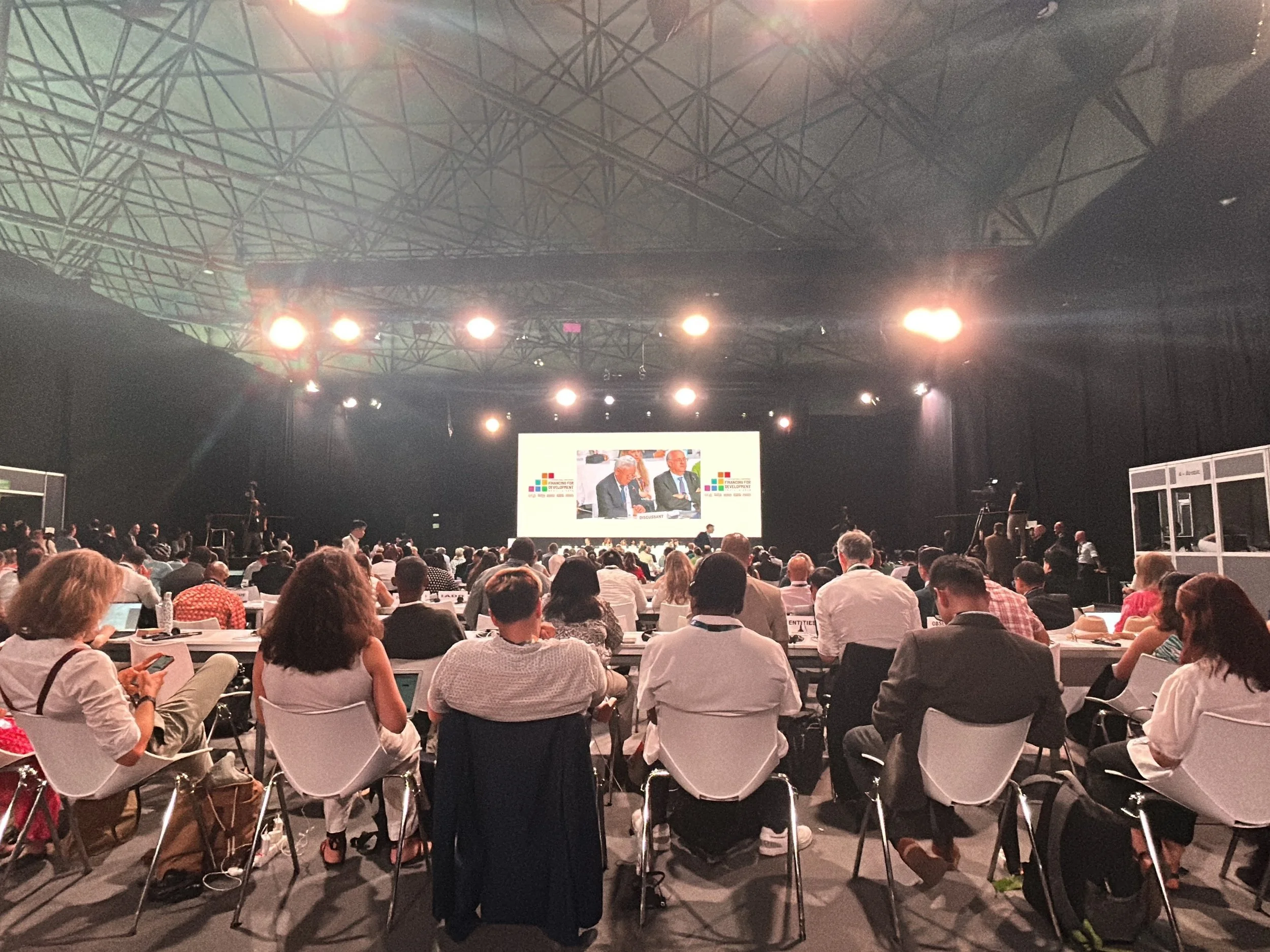
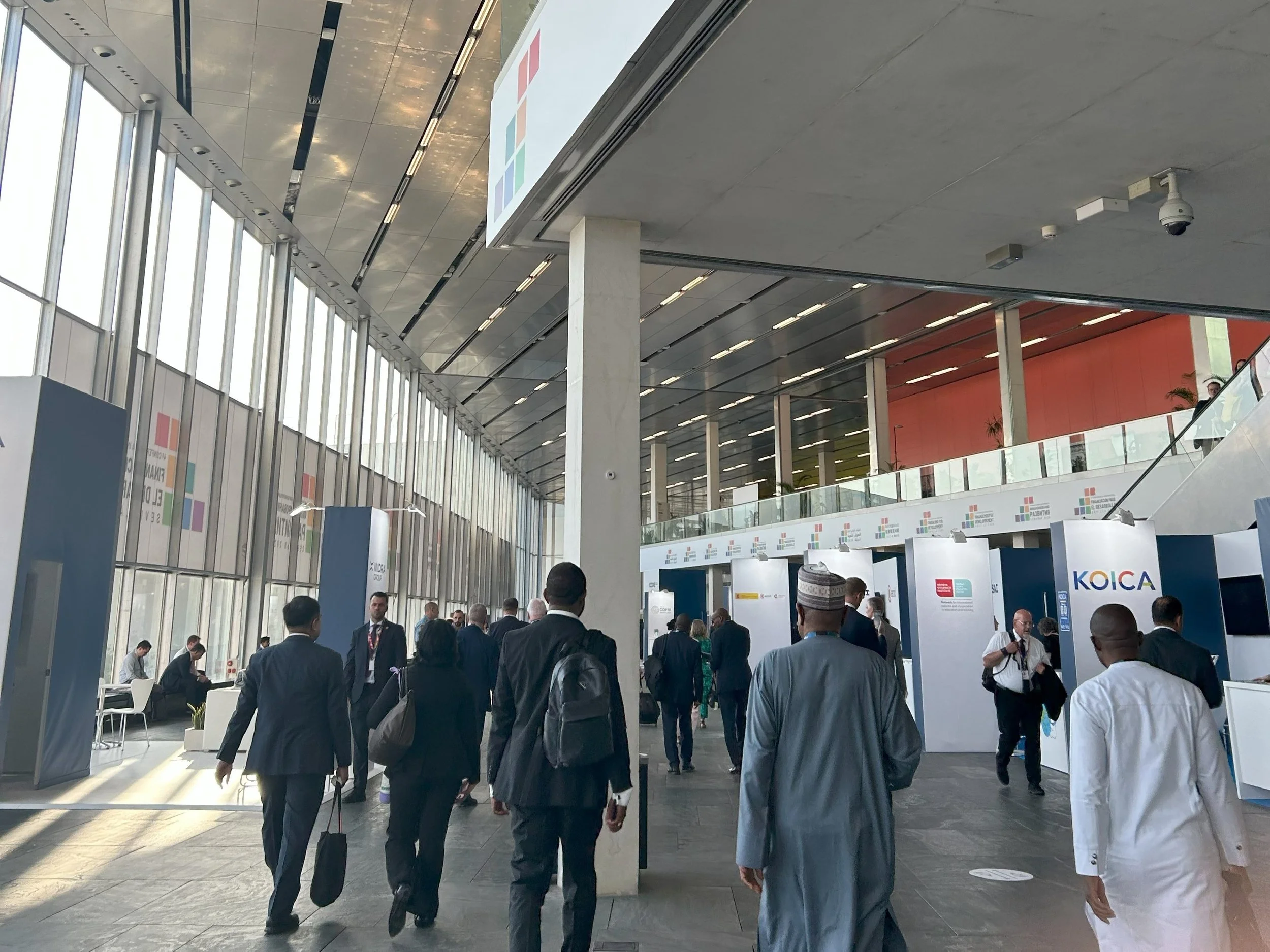
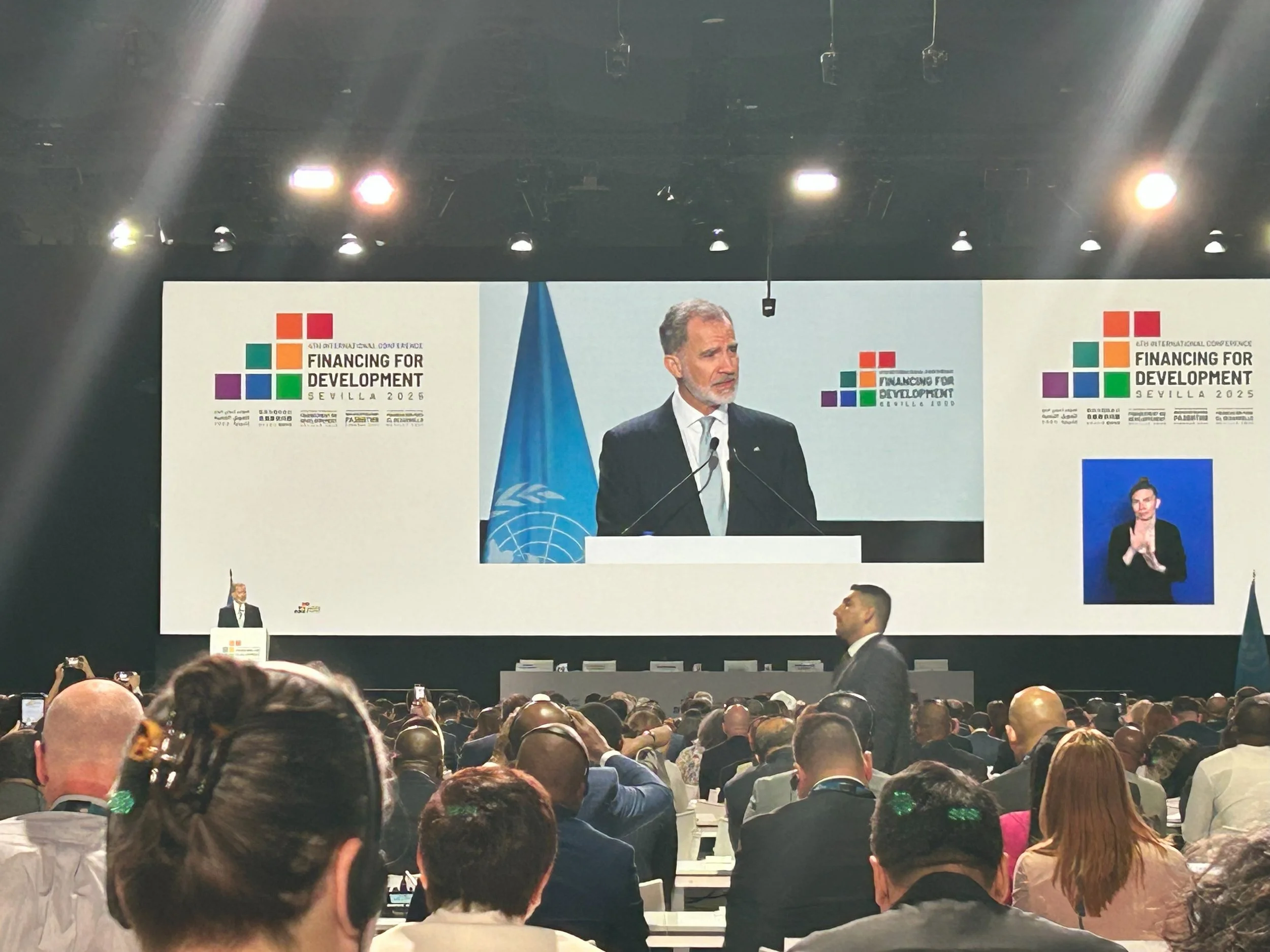
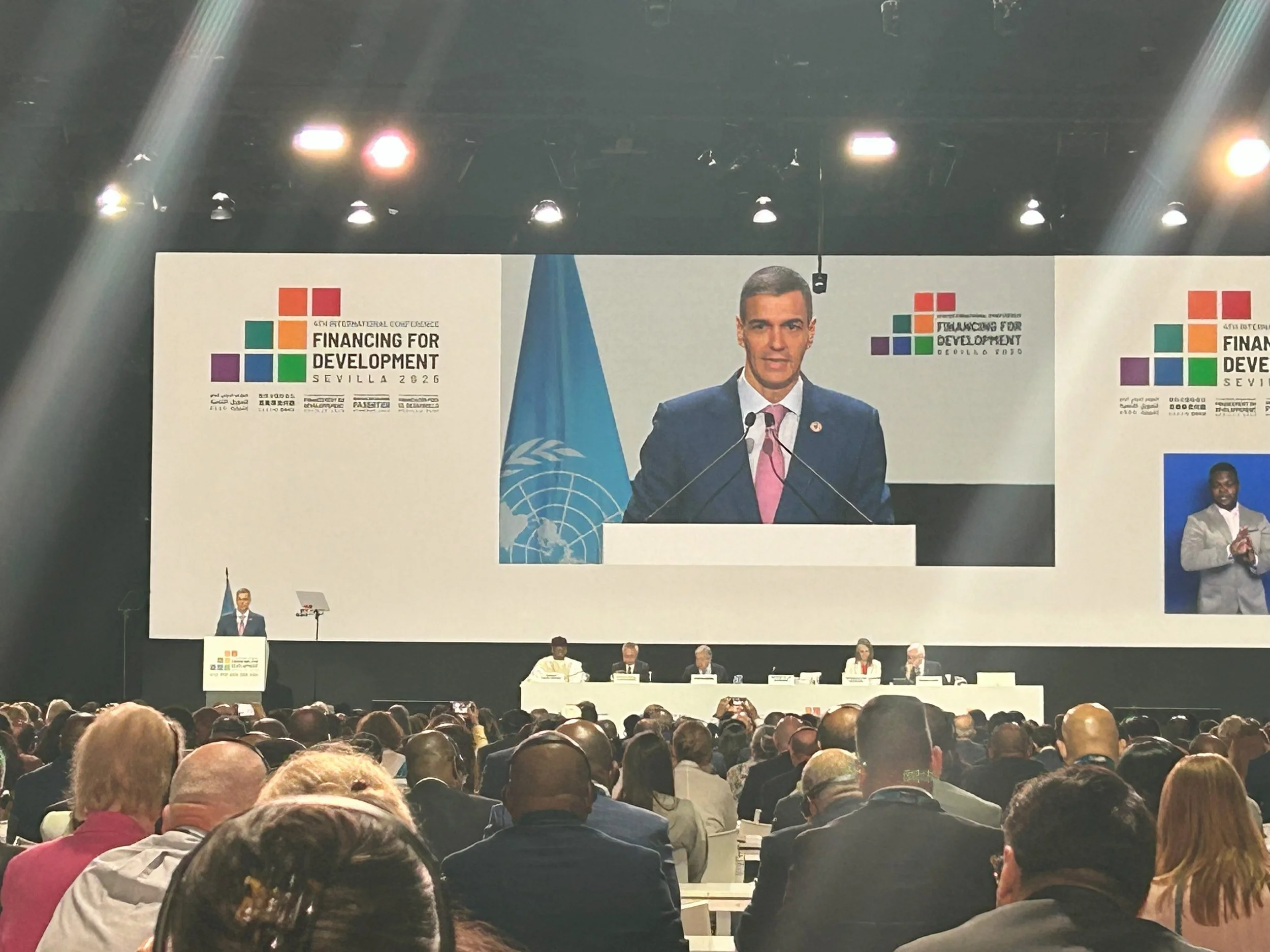
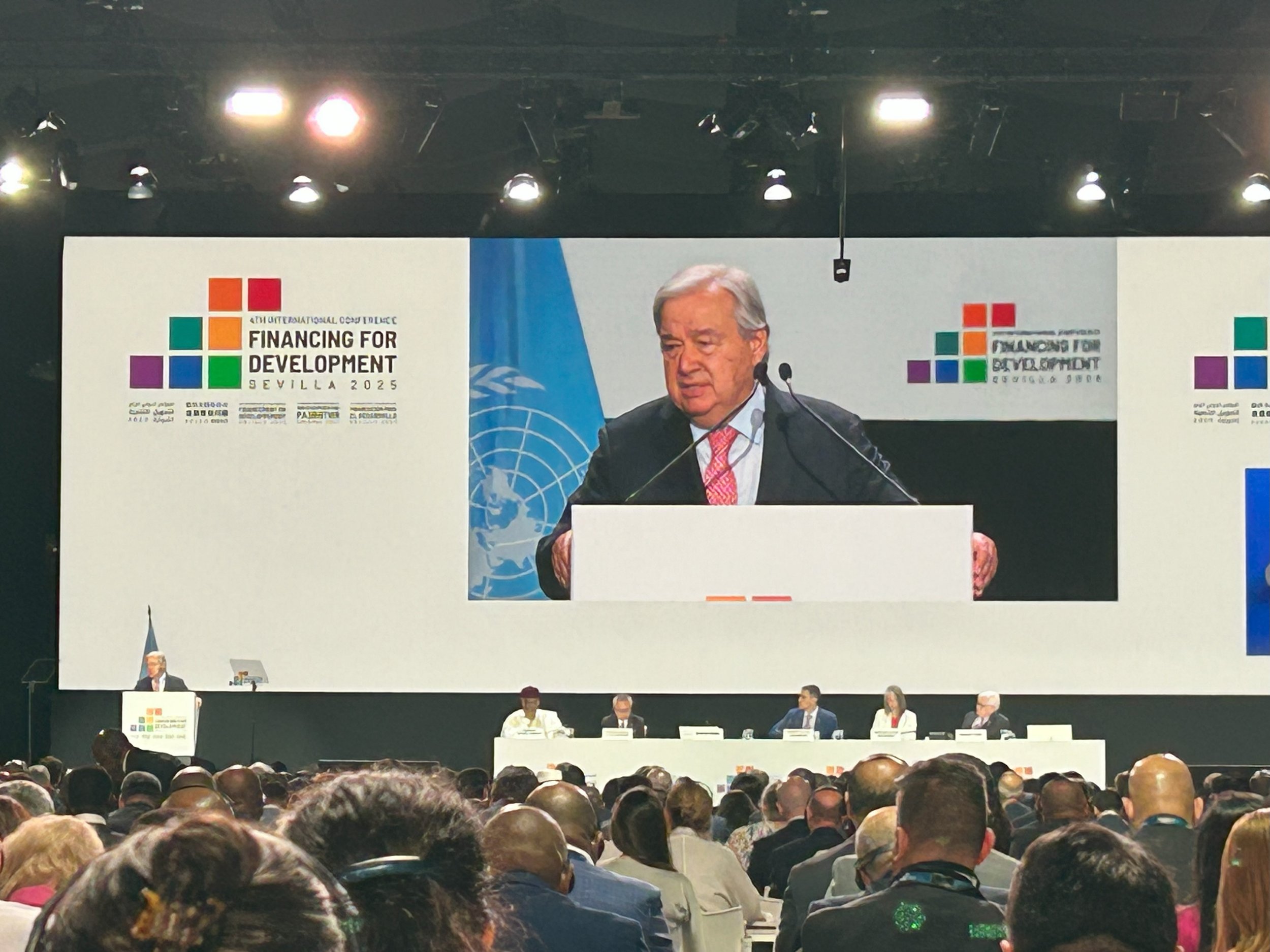
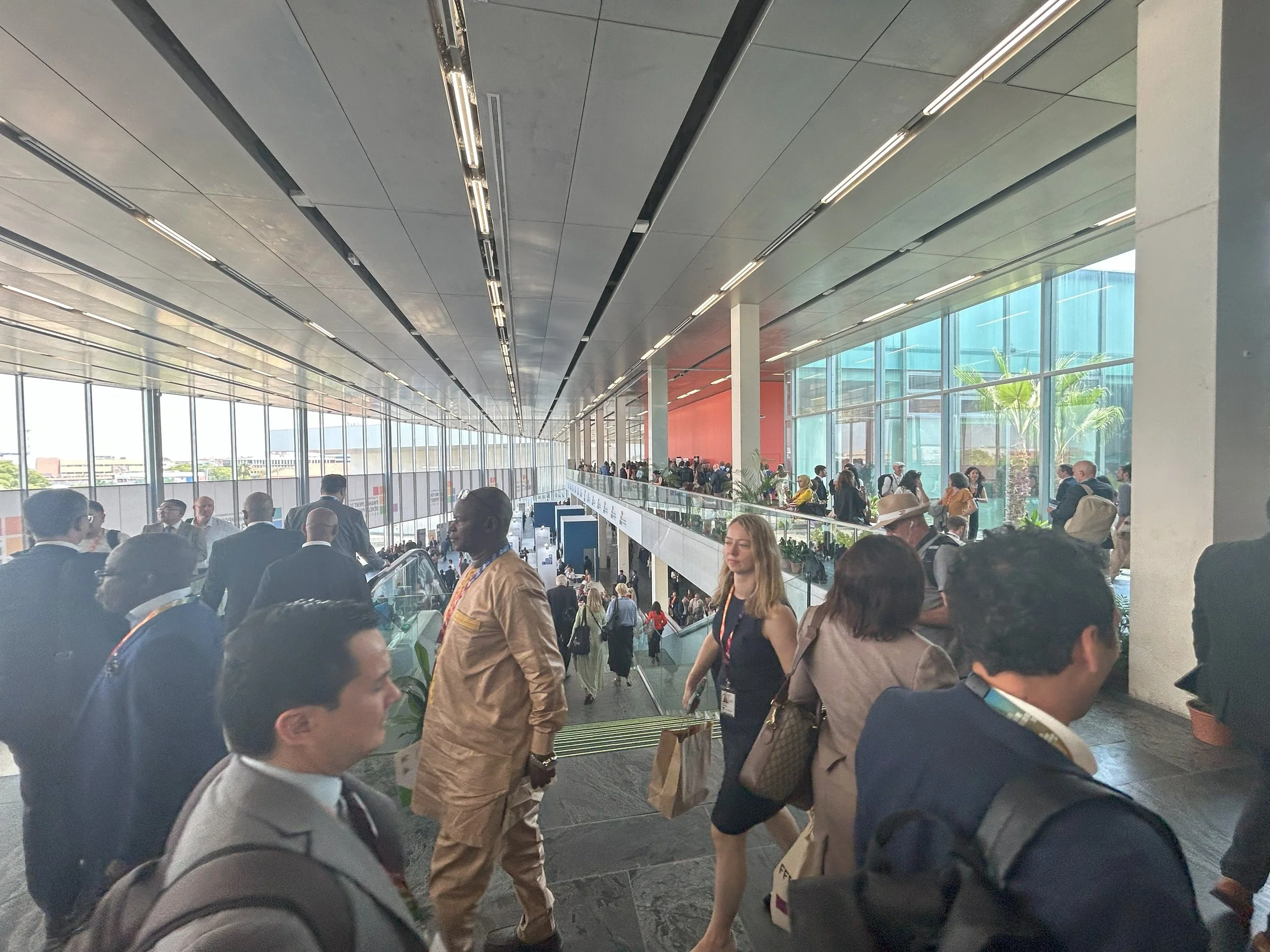
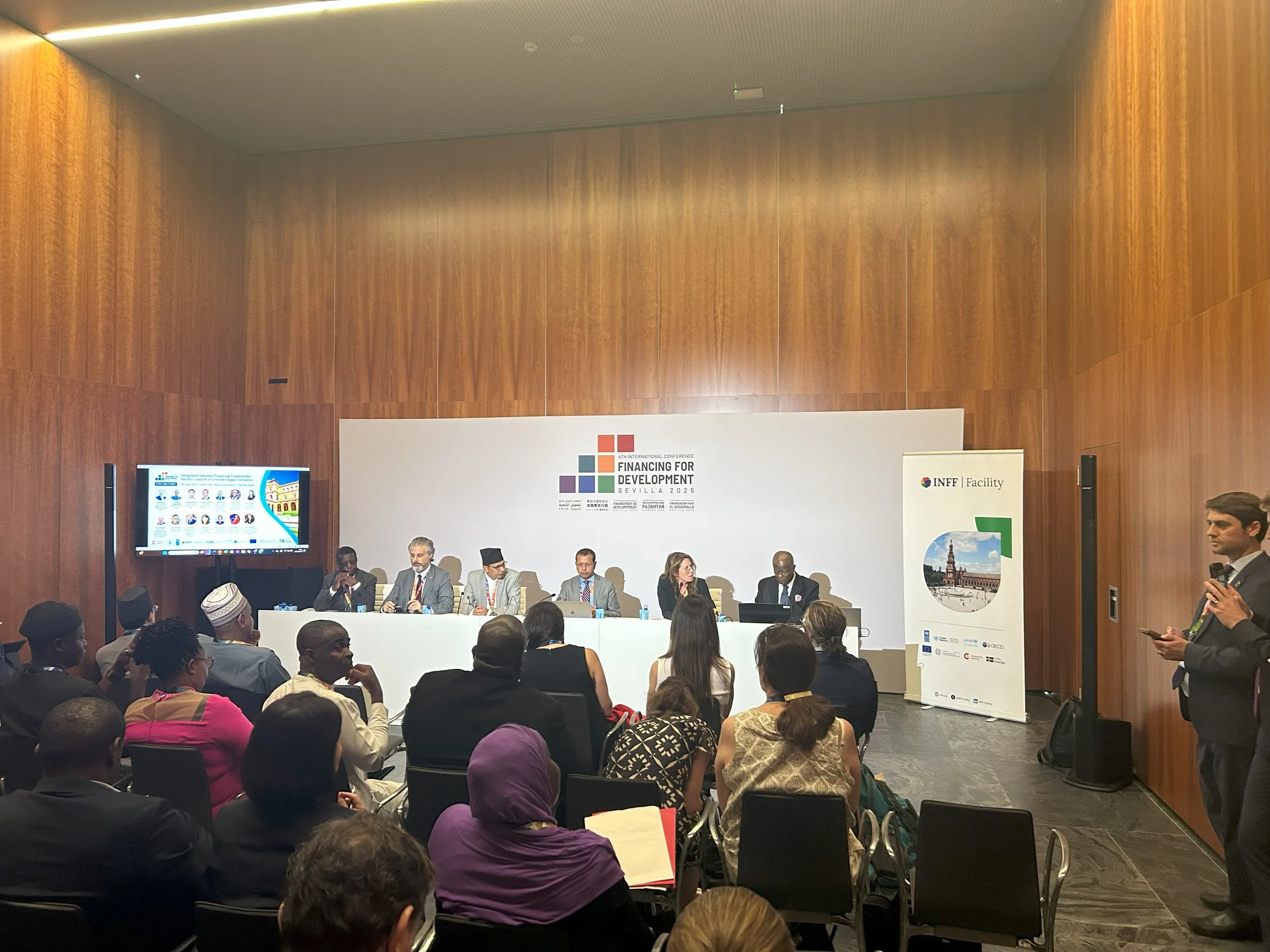
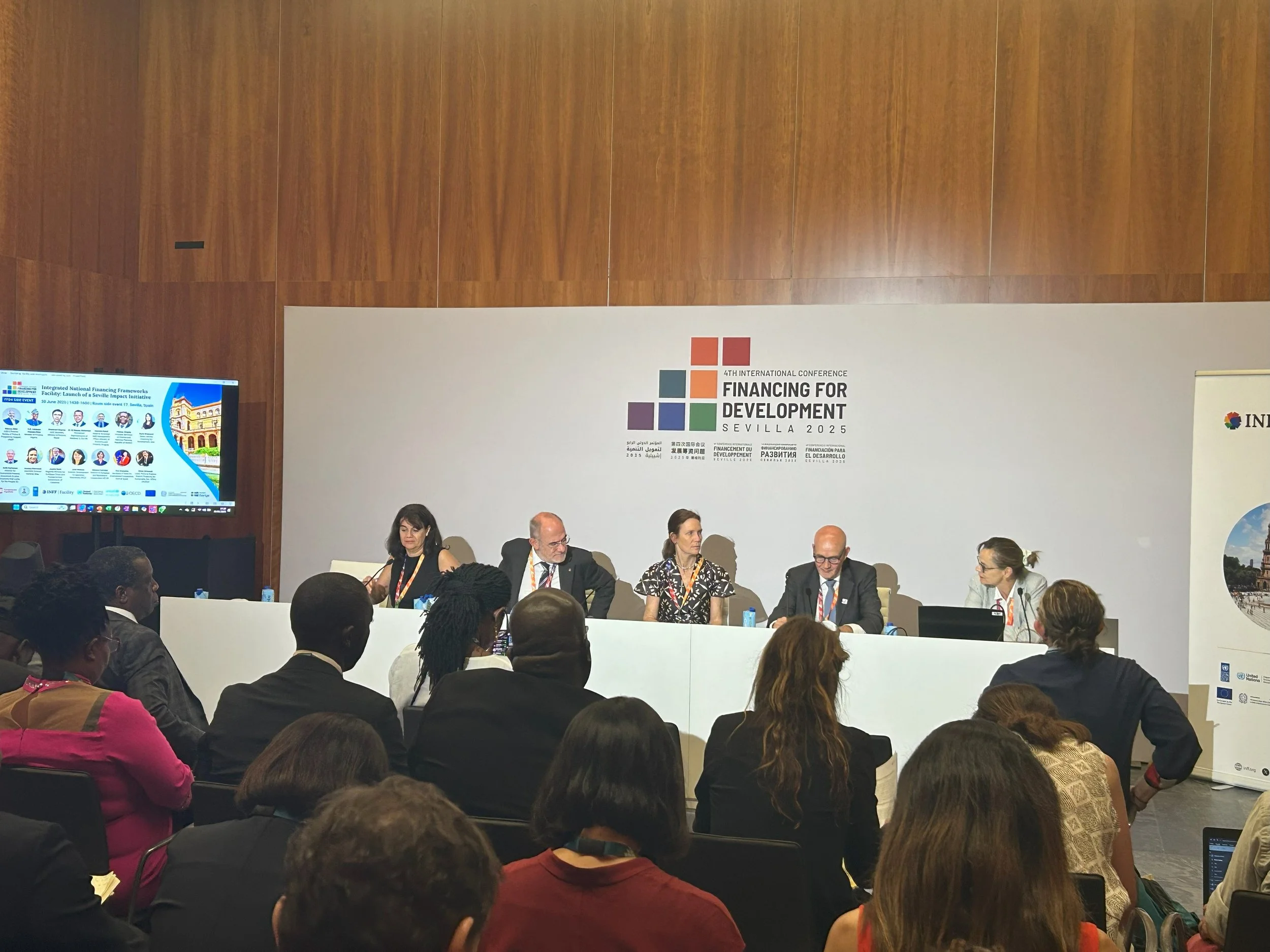
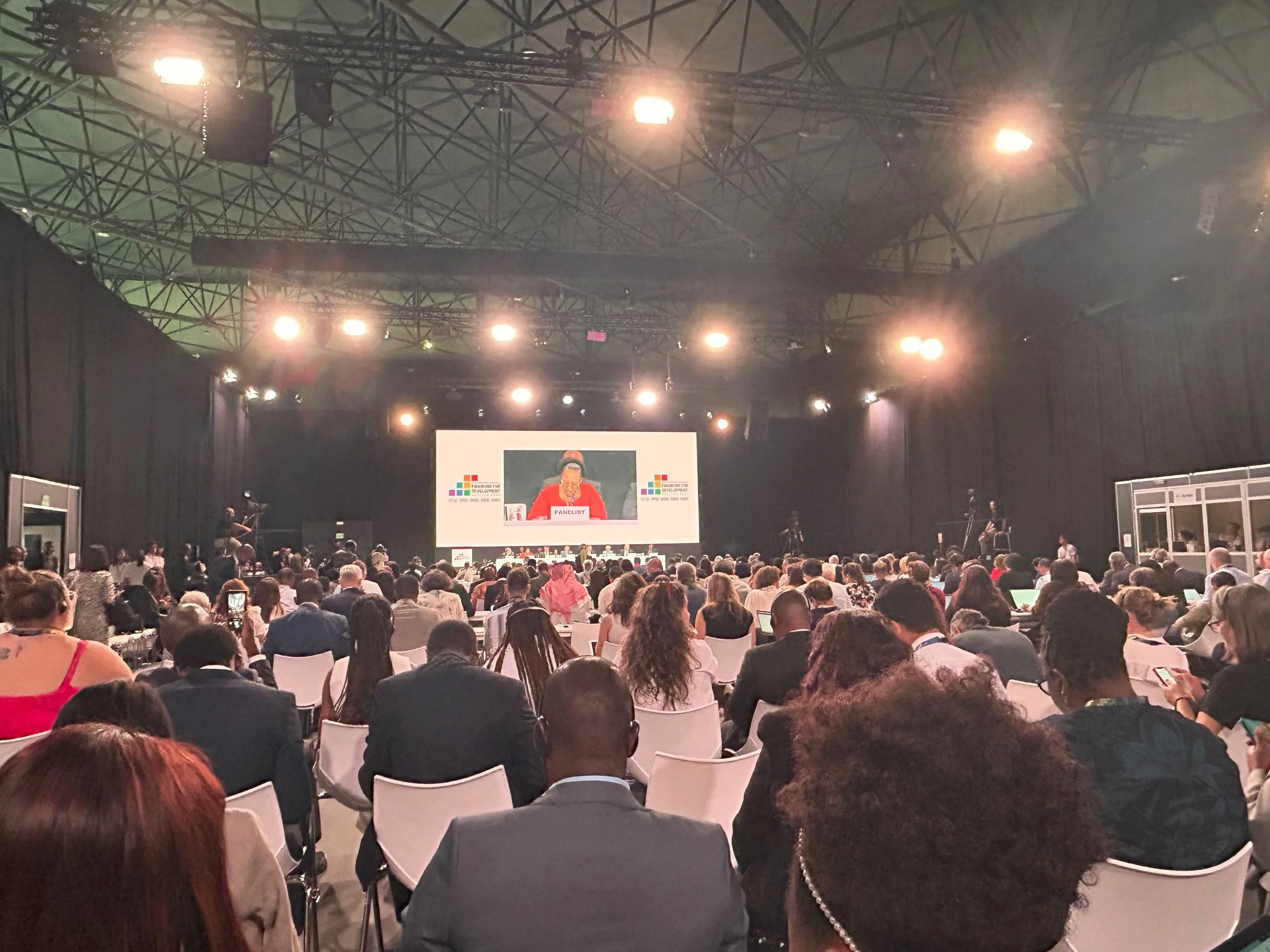
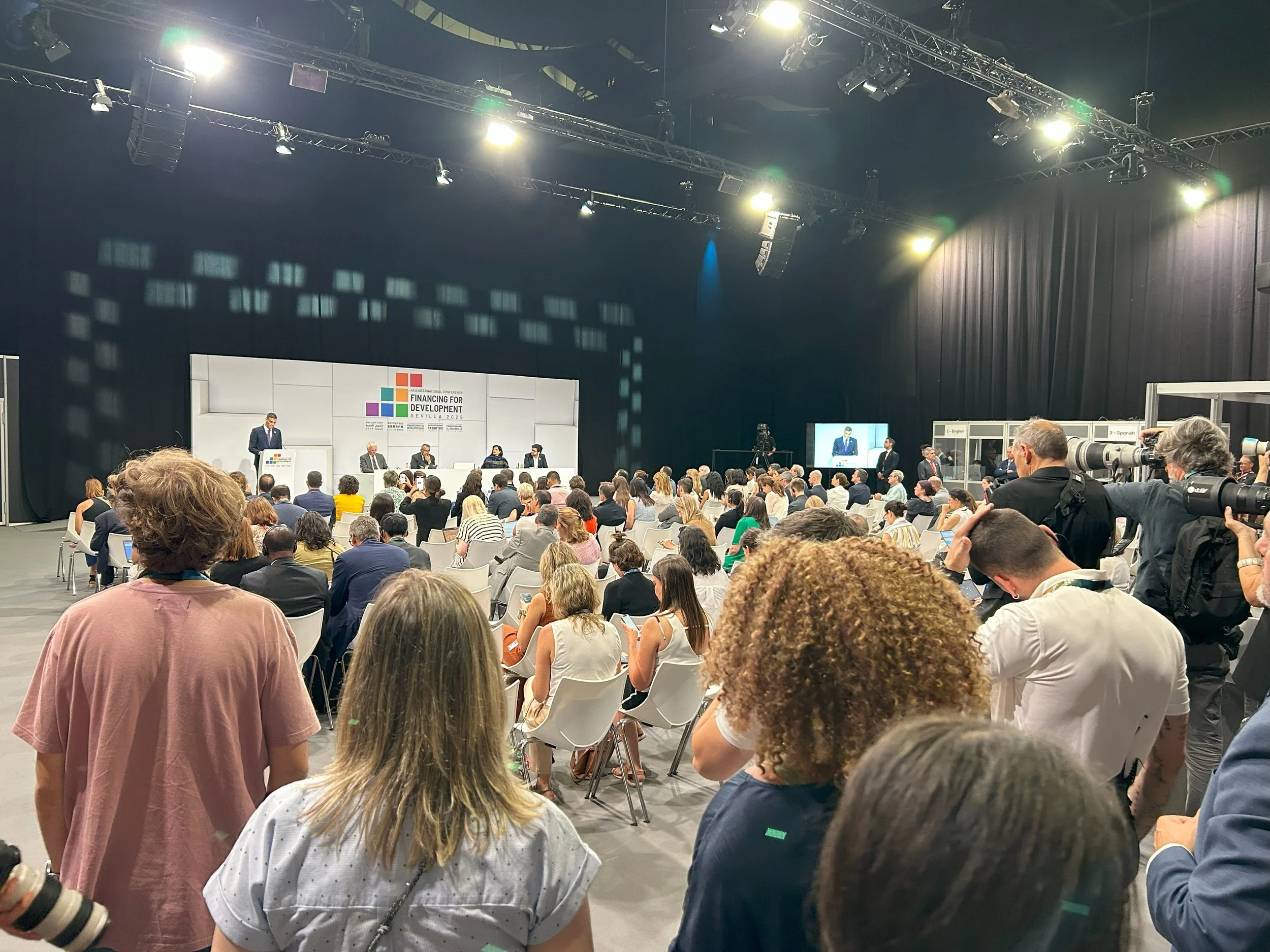
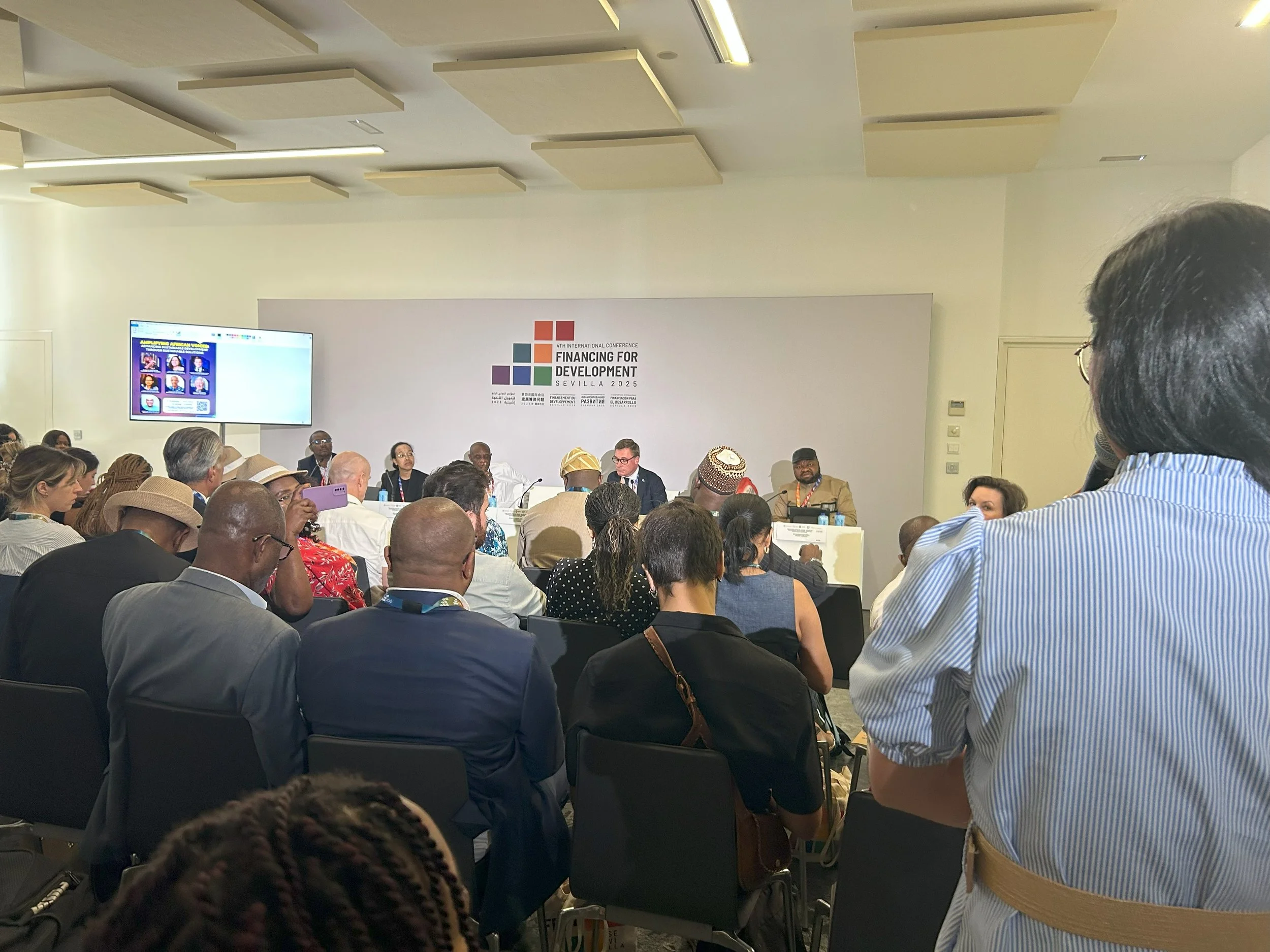
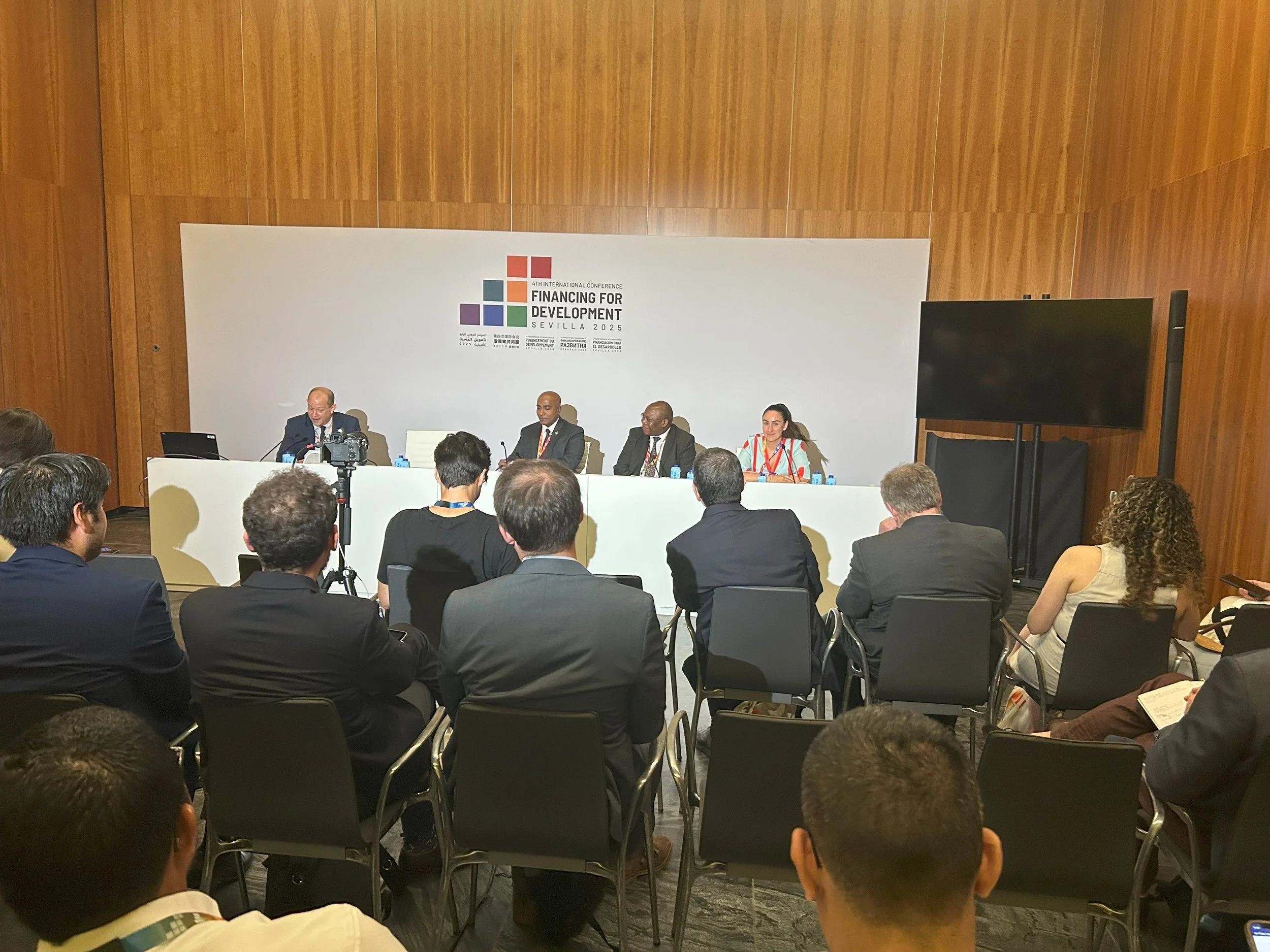
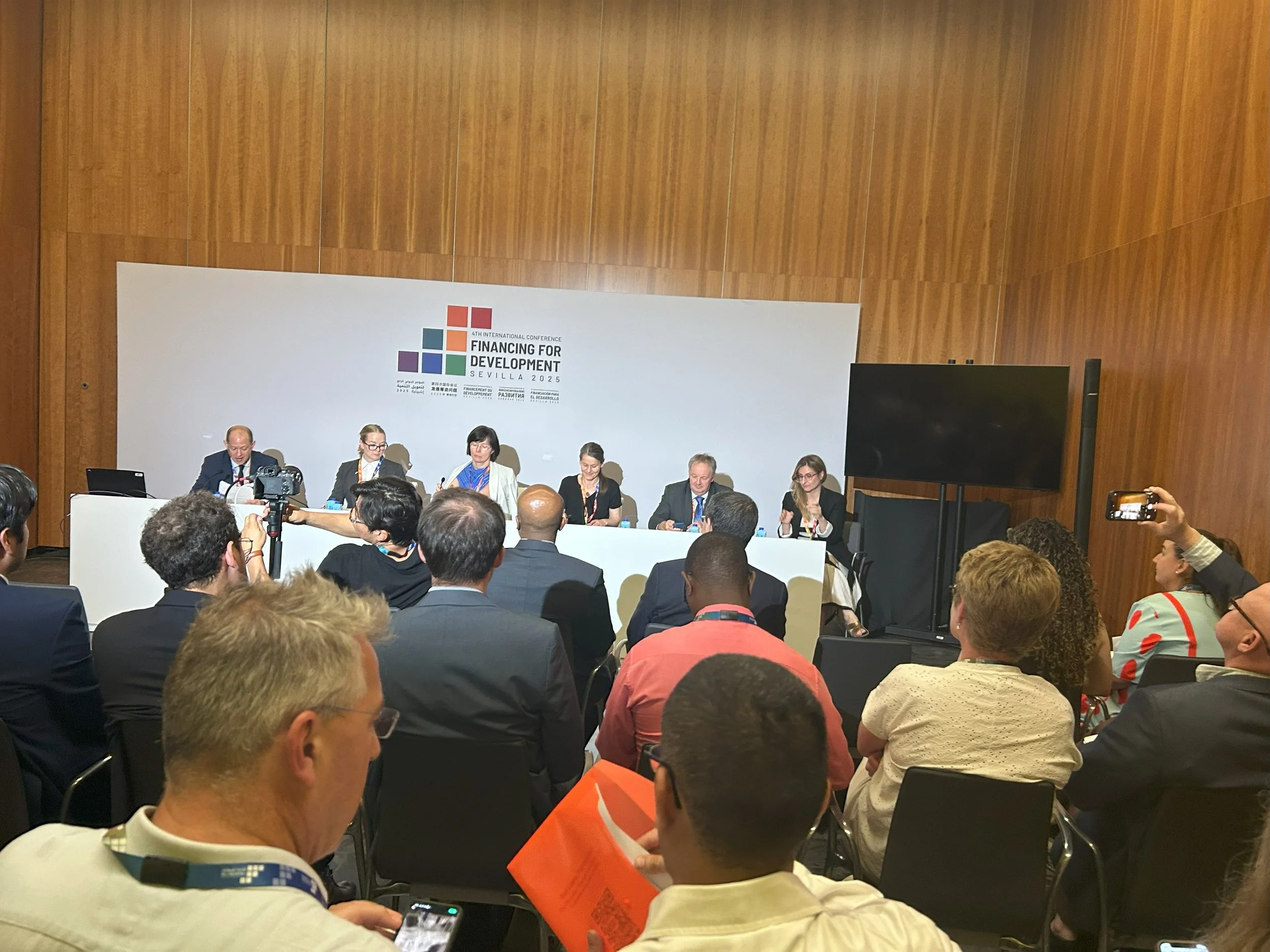
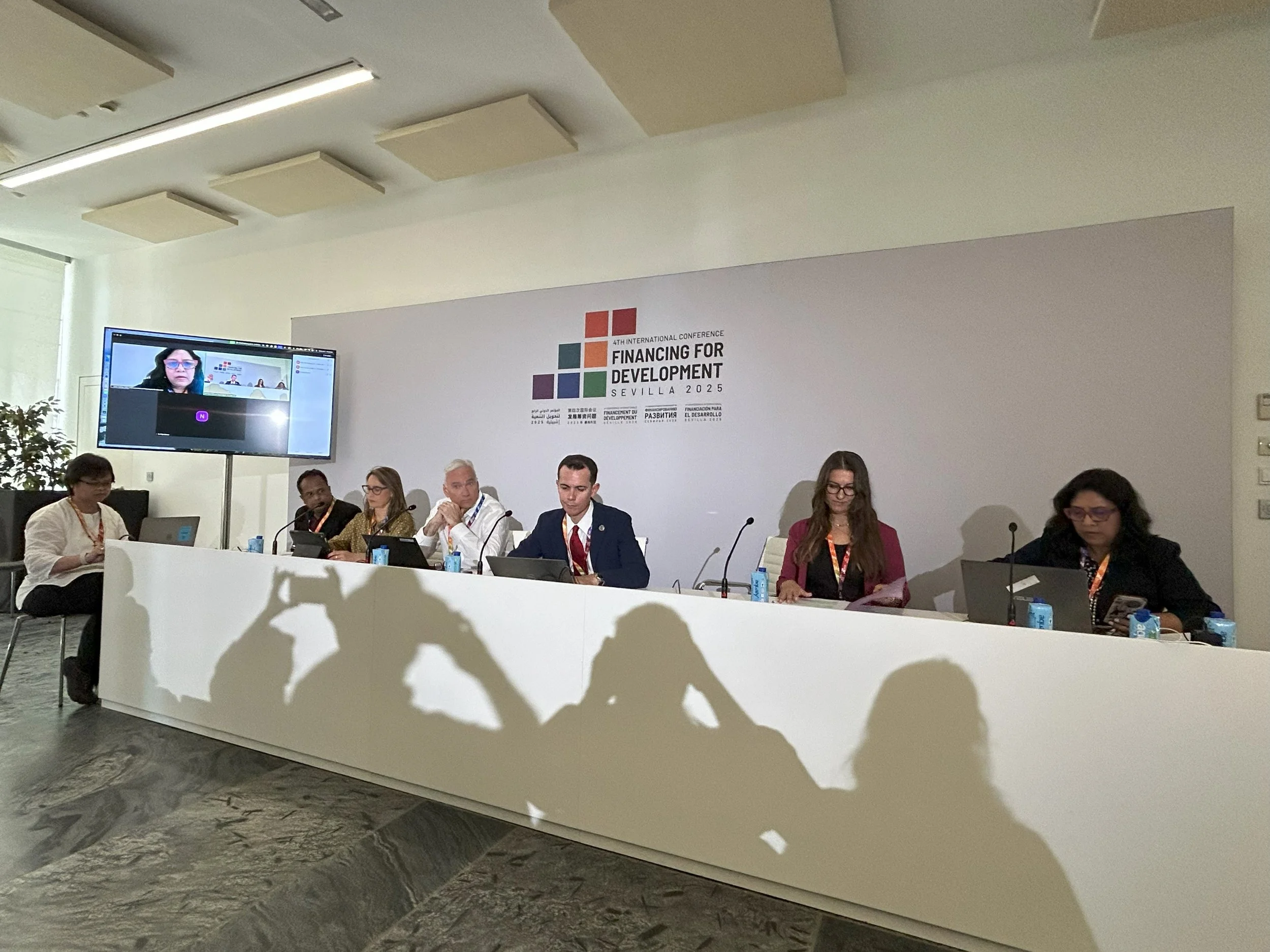
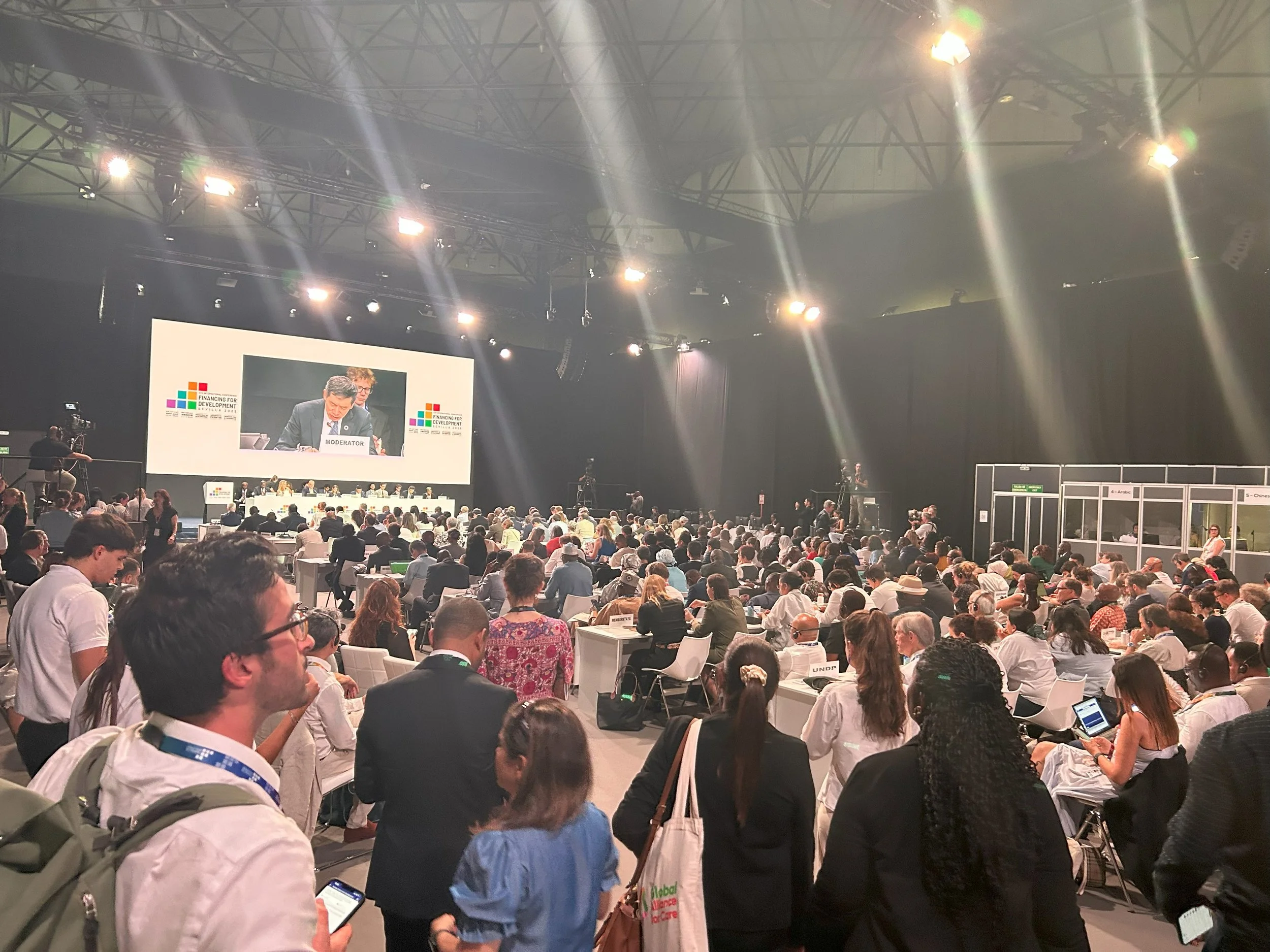
From 30 June to 3 July 2025, representatives from Article 25 participated in the 4th International Conference on Financing for Development (FfD), hosted by the Government of Spain. Over the course of three days, UN member states, international organisations and civil society came together to tackle a pressing global challenge: how to unlock sustainable, inclusive finance that reaches the people and communities who need it most.
With a renewed sense of urgency around delivering the 2030 Sustainable Development Goals, a clear consensus emerged - not only on what must change, but how: by centring local leadership, building equitable partnerships, and reimagining the global development architecture to better serve those on the frontlines of poverty, climate change and inequality.
At Article 25, where we serve as an enabler for climate-resilient, community-led building projects, these conversations resonate deeply. From the construction of health centres in Yangon to schools in Tanzania, our work is proof that when development is co-designed with communities and built on long-term capacity, the outcomes are not only more just - they’re more sustainable.

1. Reimagining the development architecture: Inclusive by design
Leaders from government, civil society and the UN echoed the need to reform the global financial architecture, describing it as outdated and unfit for purpose. Whether it was Spain’s new global health strategy, or the IMF’s call for stronger public finance systems, the message was clear: we need systems that centre dignity, equity and resilience - especially for countries burdened by debt and vulnerability.
As Dr. Tedros Adhanom Ghebreyesus, the Director-General of the World Health Organization (WHO), noted, “This is a time of crisis, but also a time of reform.”
For Article 25, this echoes the shift we champion in built environments: moving away from short-term fixes toward systems that enable communities to thrive, through buildings that are locally owned, resilient to climate shocks, and designed around people’s real needs.
2. Enabling local capacity: From construction to continuity
Peter Sands of the Global Fund captured a key theme: we are enablers - not saviours. He stressed the need for agile partnerships that allow governments and communities to lead, transition, and ultimately become self-reliant. This principle is central to our work: capacity building is not an add-on - it’s the foundation.
We train local workers and artisans to build using climate-smart techniques, and we work with governments to strengthen the long-term capacity of national systems. In places like Dominica or Montserrat, this not only improves construction quality - it creates employment, reduces dependency, and supports a more sustainable development ecosystem.
3. Finance must be fair: Equitable access for vulnerable countries
Many speakers raised concerns about debt burdens and unfair financial conditions that continue to hold back the very countries most in need of investment. From the Philippines to Fiji, there were calls to move beyond GDP as a metric, address unjust debt structures, and channel financing to local initiatives through blended models, climate funds and green bonds.
Importantly, several noted the need to fund smaller-scale, locally owned projects - not just mega infrastructure. This aligns with Article 25’s approach of delivering modest but transformative buildings: schools, health clinics, and homes designed for and by the communities they serve. Financing models must make space for projects that put people, not profit, at the centre.
4. Participatory planning and design: A core driver of resilience
The Forum reinforced the importance of working with - not for - communities. From Trust Africa’s call to amplify marginalised voices, to the Philippines’ push for South-South cooperation and local adaptation solutions, it’s clear: participatory processes deliver better results.
At Article 25, we begin every project by listening. We incorporate local knowledge and traditions into the design of our buildings, ensuring they’re not only culturally appropriate but owned by the people who will use them. We also focus on using alternative, locally available materials, reducing both carbon footprint and costs while strengthening community resilience.
5. From paper to progress: Turning intentions into action
Throughout the Forum, one frustration was clear: the world doesn’t lack ideas - it lacks follow-through. As Professor Surya Deva, Law Professor at Macquarie University and UN Special Rapporteur on the Right to Development, said, “Leadership and political will - not just paper - are what’s needed.”
We were reminded that real transformation will only come when governments, multilateral institutions and implementers alike act boldly, transparently and with people at the centre.
This is where organisations like Article 25 play a vital role. We turn global ambitions into tangible, lasting outcomes, by ensuring that every building we deliver supports not just structural resilience - but social and economic resilience too.
Conclusion: A shared mission, a new path forward
From structural reform to small-scale solutions, the 2025 FfD Forum made it clear: development that is inclusive, equitable and resilient must be built from the ground up. Whether through reimagined financing or rebalanced partnerships, the focus must shift toward enabling countries - and communities - to shape their own futures.
At Article 25, we’re proud to be part of that shift. As enablers, architects and long-term partners, we’re committed to building the future alongside the people who will live it.
