
Accelerating impact: How Article 25 is delivering on the UN Sustainable Development Goals in the built environment
At Article 25, we believe that good design has the power to transform lives. As the UK’s leading architectural NGO working with communities right around the world, sustainability is not a side goal, but the foundation of everything we do. From the materials we use to the communities we work with, our approach is grounded in resilience, equity and long-term impact.
This month, the Chartered Institute of Building (CIOB) published a powerful new report examining how the built environment can embed the United Nations Sustainable Development Goals (UN SDGs) across architecture, construction and elsewhere.
The CIOB report arrives at a critical moment. As the authors point out, the SDGs are not just about compliance; they’re about unlocking innovation, driving collaboration, and redefining leadership across the built environment.
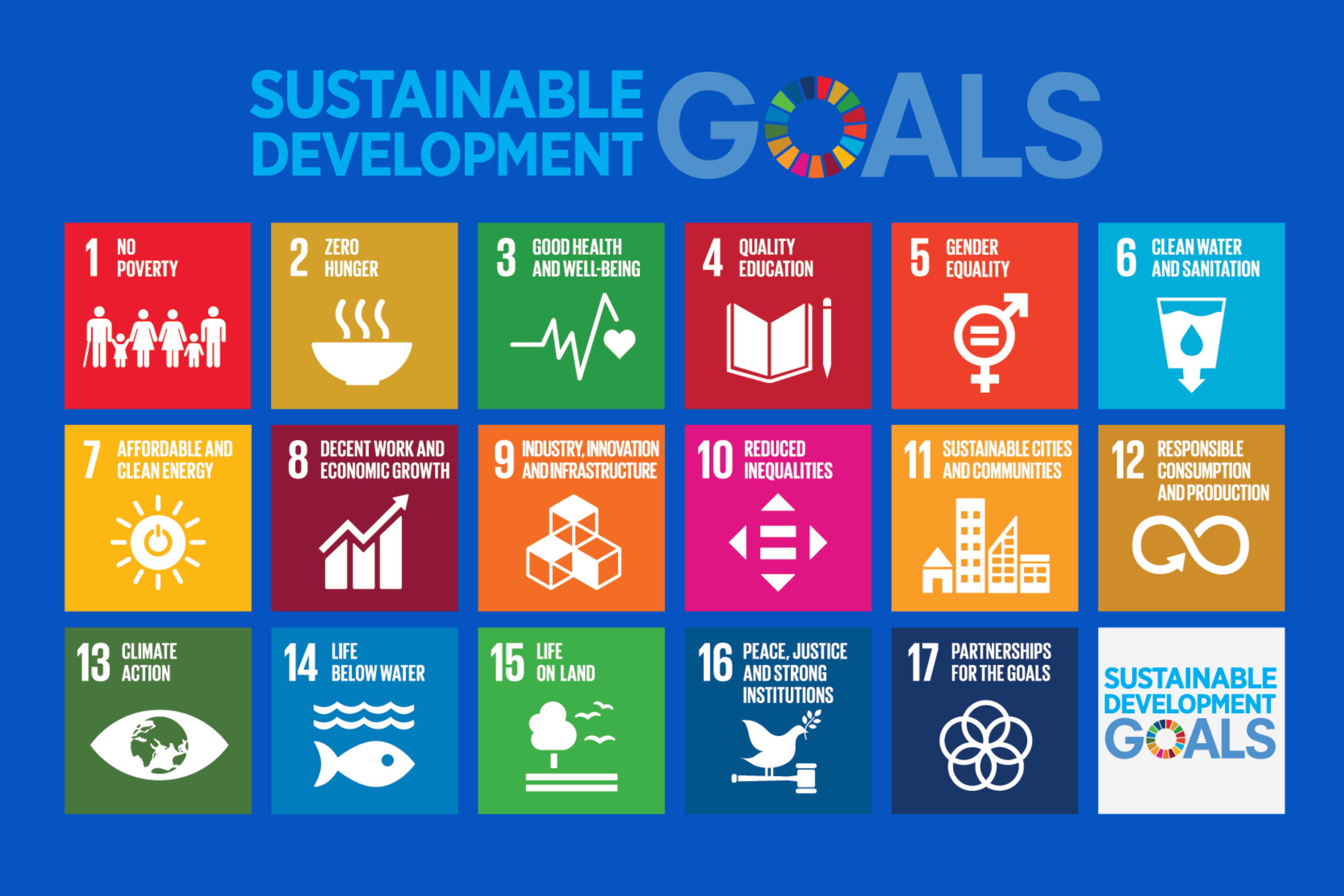
Overview of United Nations Sustainable Development Goals
Building with the SDGs in mind
The 17 SDGs provide a comprehensive framework for tackling global challenges; from poverty, health and education to climate action and gender equality. At Article 25, we actively embed the ethos and actions of the SDG framework into our healthcare, education, and housing projects. Achieving 16 of the 17 Sustainable Development Goals, only missing out on the 17th goal on “life below the water” – unfortunately, the lost city of Atlantis hasn’t picked up the phone yet!
Take our multi-award-winning Collège Amadou Hampaté Bâ, Niger, or our Anandaban Hospital Trauma Centre, Nepal. Both of which designed to last in their own context-specific environments, using passive design techniques, off-grid systems and local materials that reduce carbon impact and ensure long-term operability.
In Nepal, Article 25 partnered with the Leprosy Mission to rebuild the crucial trauma and reconstructive surgery centre at Anandaban Hospital - delivering primary care, maternity and emergency services to remote and marginalised populations.
The new building is a model of resilient, sustainable healthcare infrastructure, built to meet rigorous seismic safety standards, it includes naturally ventilated patient rooms, rainwater harvesting, and is embedded into the sloping forest site for ease of access and climate responsiveness.
The project directly contributes to: SDG 3 (Good Health and Well-being), SDG 9 (Industry, Innovation and Infrastructure), SDG 11 (Sustainable Cities and Communities), and SDG 13 (Climate Action).

Anandaban Hospital Trauma Centre, Nepal
Elsewhere, in Niger, where sustainable education infrastructure that’s accessible to everyone is essential, our Collège Amadou Hampaté Bâ project delivers climate-resilient, low-carbon education infrastructure through passive design, local materials and inclusive workforce development. By providing comfortable classrooms for 1,200 students and challenging entrenched gender norms by training young women in construction, it addresses both environmental and social challenges.
Led by Article 25 with strong local collaboration, it was designed with the intent to have naturally cooler classrooms, reduce embodied carbon, and has been recognised by the AIA as an “Exemplary Performance in Sustainability.” It offers a trackable, replicable, local model for decarbonisation and resilience across the built environment.
The project directly contributes to: SDG 4 (Quality Education), SDG 5 (Gender Equality), SDG 7 (Affordable and Clean Energy), SDG 9 (Industry, Innovation and Infrastructure), SDG 10 (Reduced Inequalities), and SDG 13 (Climate Action).
Article 25 is proud to help lay the groundwork for progress, demonstrating how architecture rooted in dignity, resilience, and community can unlock the full promise of these goals.
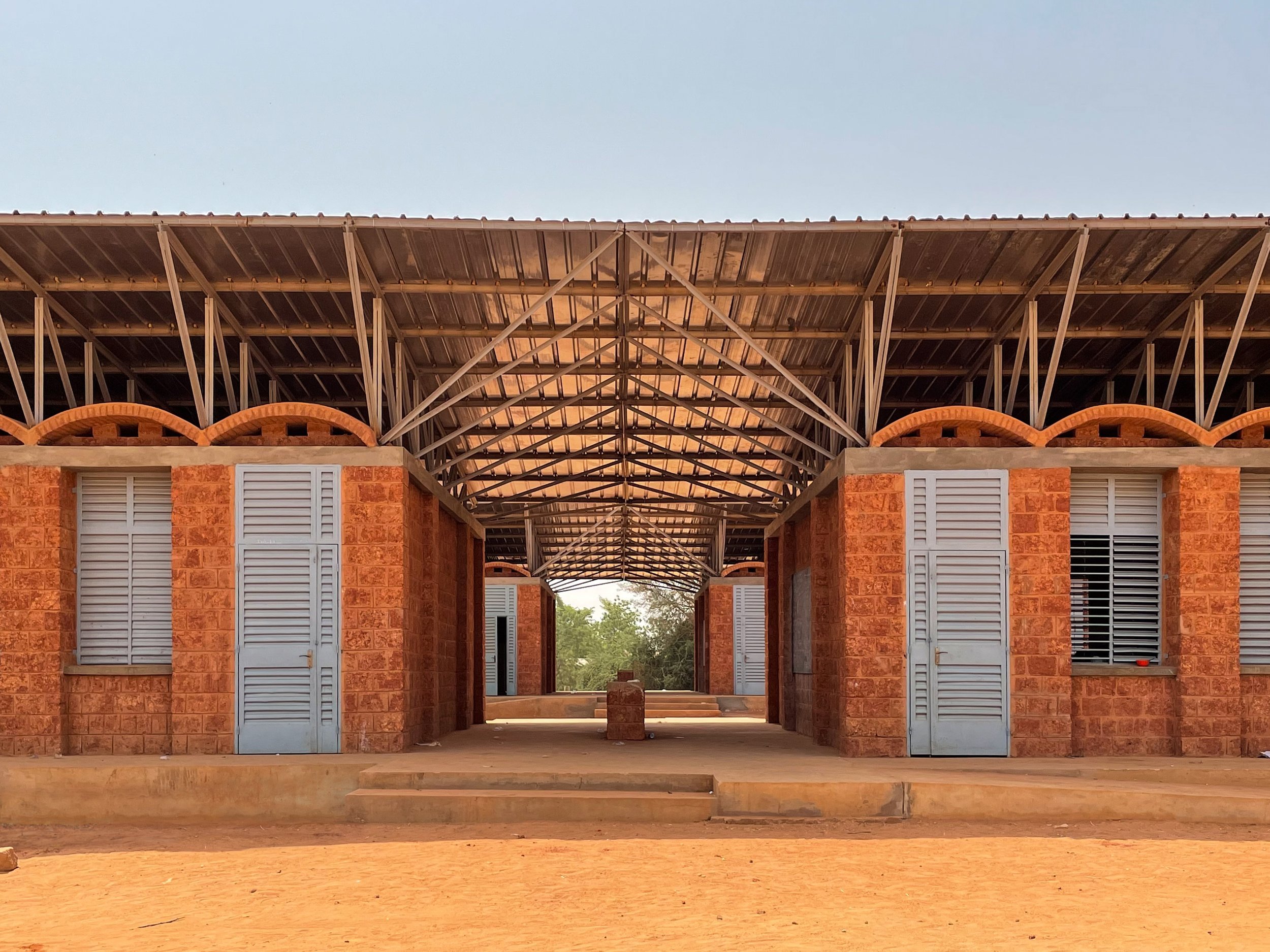
Collège Amadou Hampaté Bâ, Niger
From dairy to development: Building the future in Rwanda
In Rwanda’s rural eastern province, poverty and food insecurity remain pressing challenges. Amid this, the Blues Creamery Rwanda offers an ambitious and bright future for local communities. The project embodies the Sustainable Development Goals, with them rooted throughout – from design of the buildings to the entire business model. In total, the project captures 16 of the 17 SDGs, alone.
Article 25 developed a comprehensive masterplan for the off-grid site, including a cheese dairy, hospitality hub, education spaces, and community facilities. The first phase focused on a commercial production facility built from reinforced concrete and rammed earth, with cheese ripening rooms nestled into the hillside to take advantage of naturally cool underground temperatures, an approach rooted in local conditions and techniques. The Creamery aims to achieve Net Zero through multiple measures, including measuring carbon impact, and installing solar energy generation for full off-grid capacity.
The Creamery is expected to create over 160 new jobs, with profits to be reinvested into the Cooperative to help farmers improve their operations and livelihoods. Further, the project intends to repurpose cheese by-products like whey into nutritious drinks for school feeding programmes, supporting childhood nutrition and reducing food waste.
This is sustainable development in action. A model of how architecture, agriculture, and community leadership can converge to lift up a region.
As Peter McDonald, Managing Director of the Blues Creamery Rwanda, explains:
“The project design, spearheaded by Article 25, is distinct in its use of sustainable raw materials for construction, the robustness of the plant equipment, and its off-the-grid energy supply. Indeed, this project design is not only unique in East Africa but possibly unique globally.”

Design render from Blues Creamery Rwanda project
Looking ahead
Article 25 have already embedded the ethos and framework of the SDGs into what we do and how we operate. Article 25 are also committed to achieving Net Zero by 2050. The CIOB report is a reminder that we are not alone in this effort. We will continue to design and deliver buildings that are not only sustainable but transformational. To learn more about our sustainability commitments, see our Carbon Reduction Plan here.
Together, we can build a world that is safer, fairer, and more resilient for everyone.
