
Built to last: How Article 25's Housing Model continues to shape Dominica's recovery
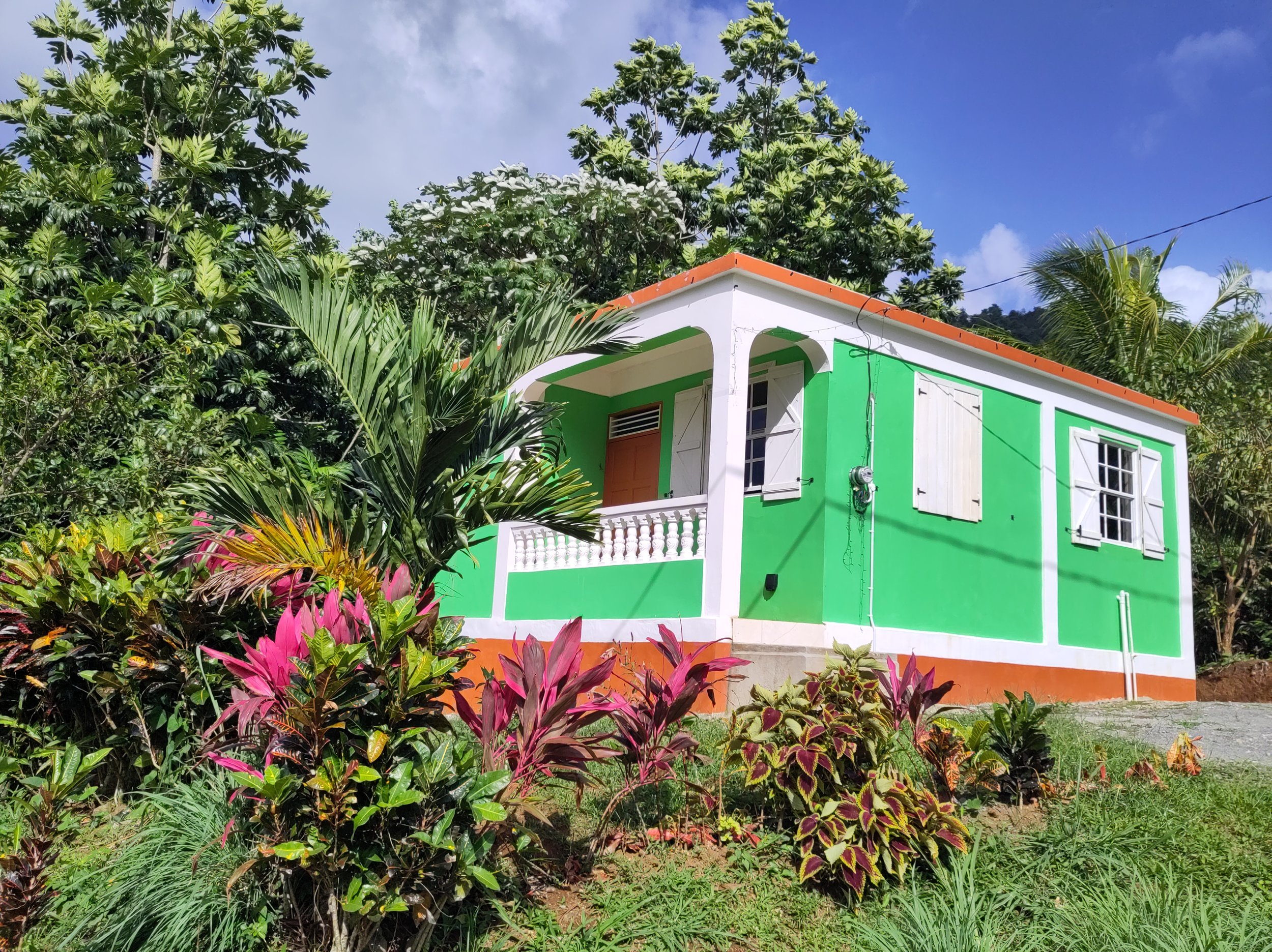
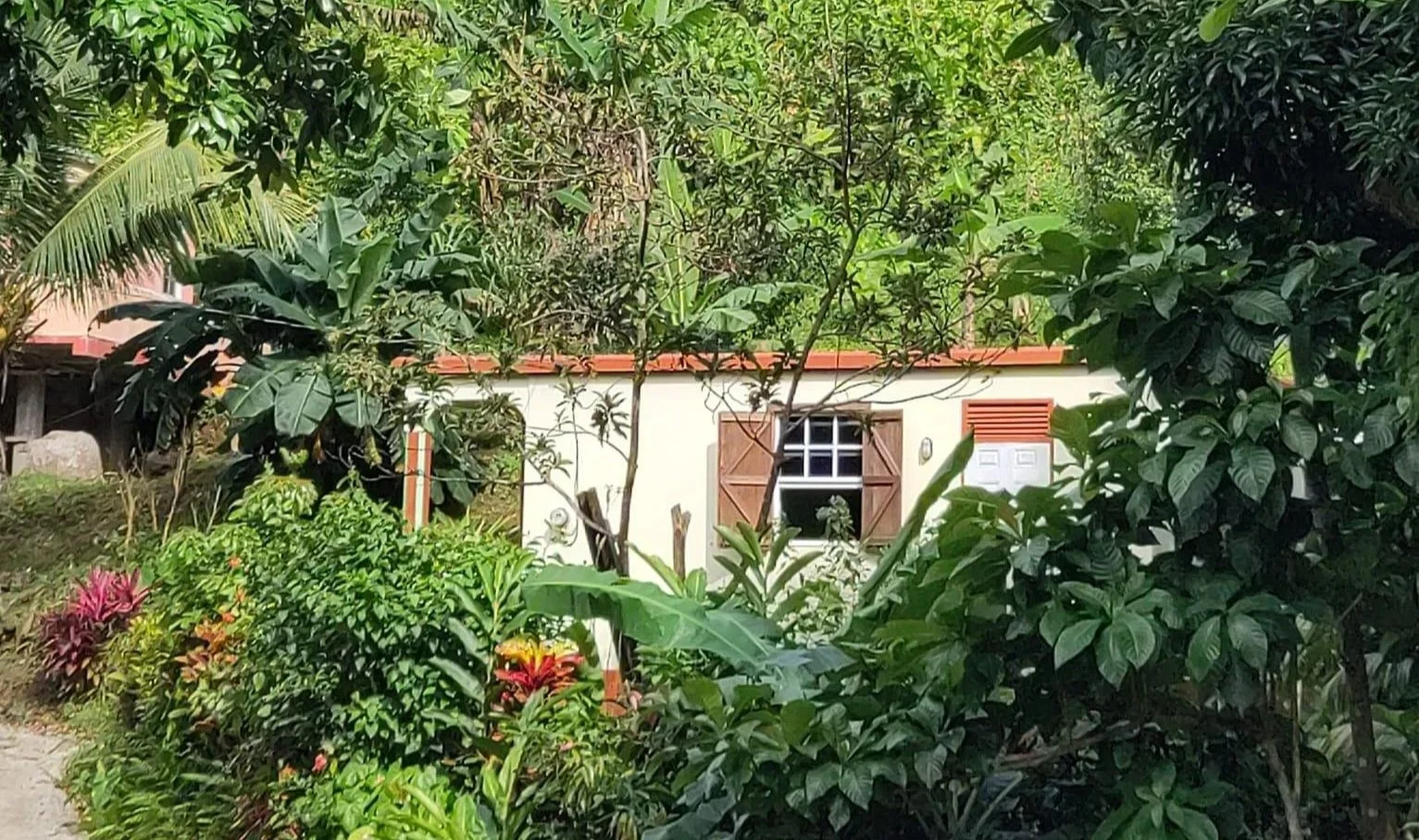
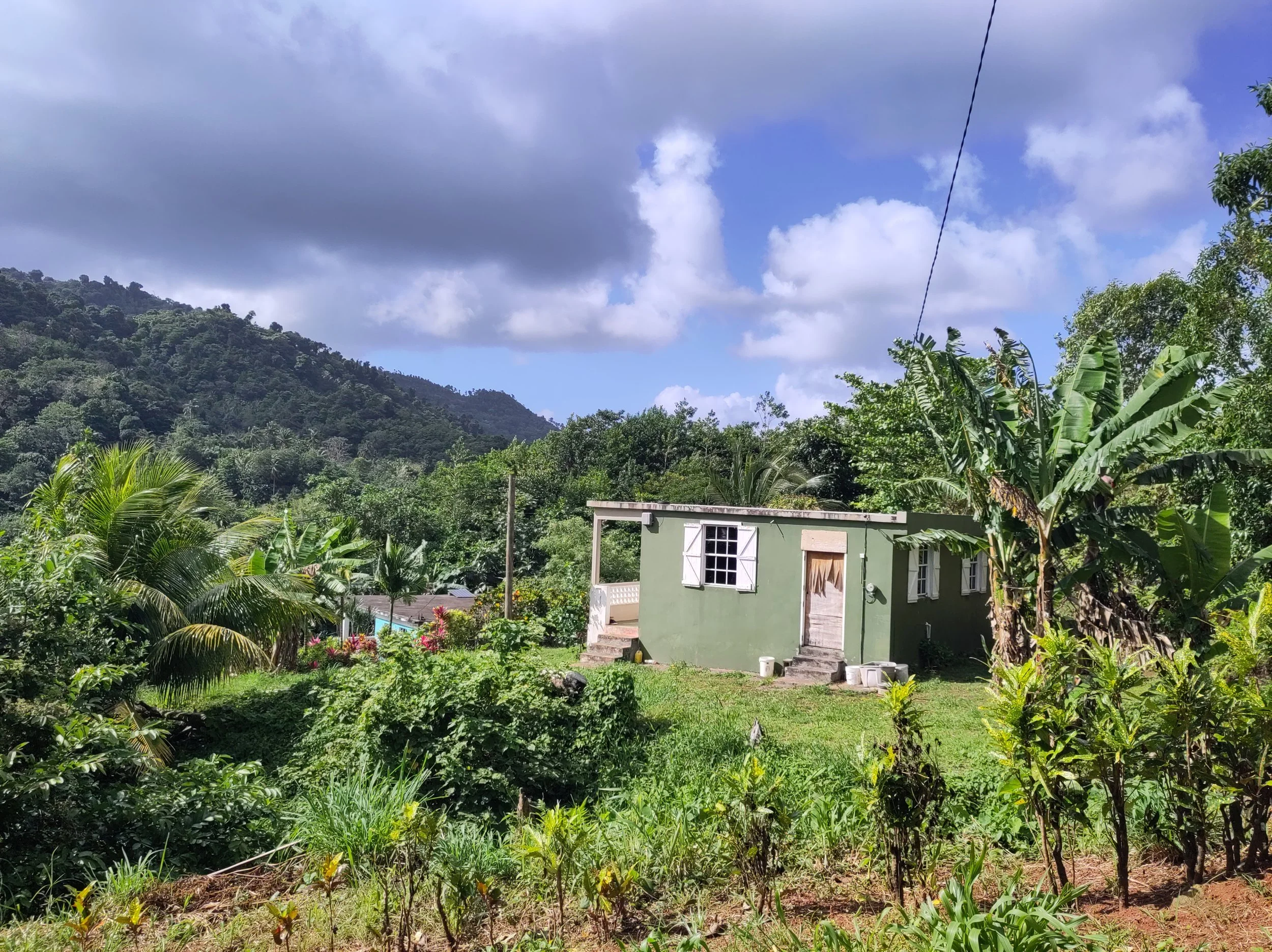
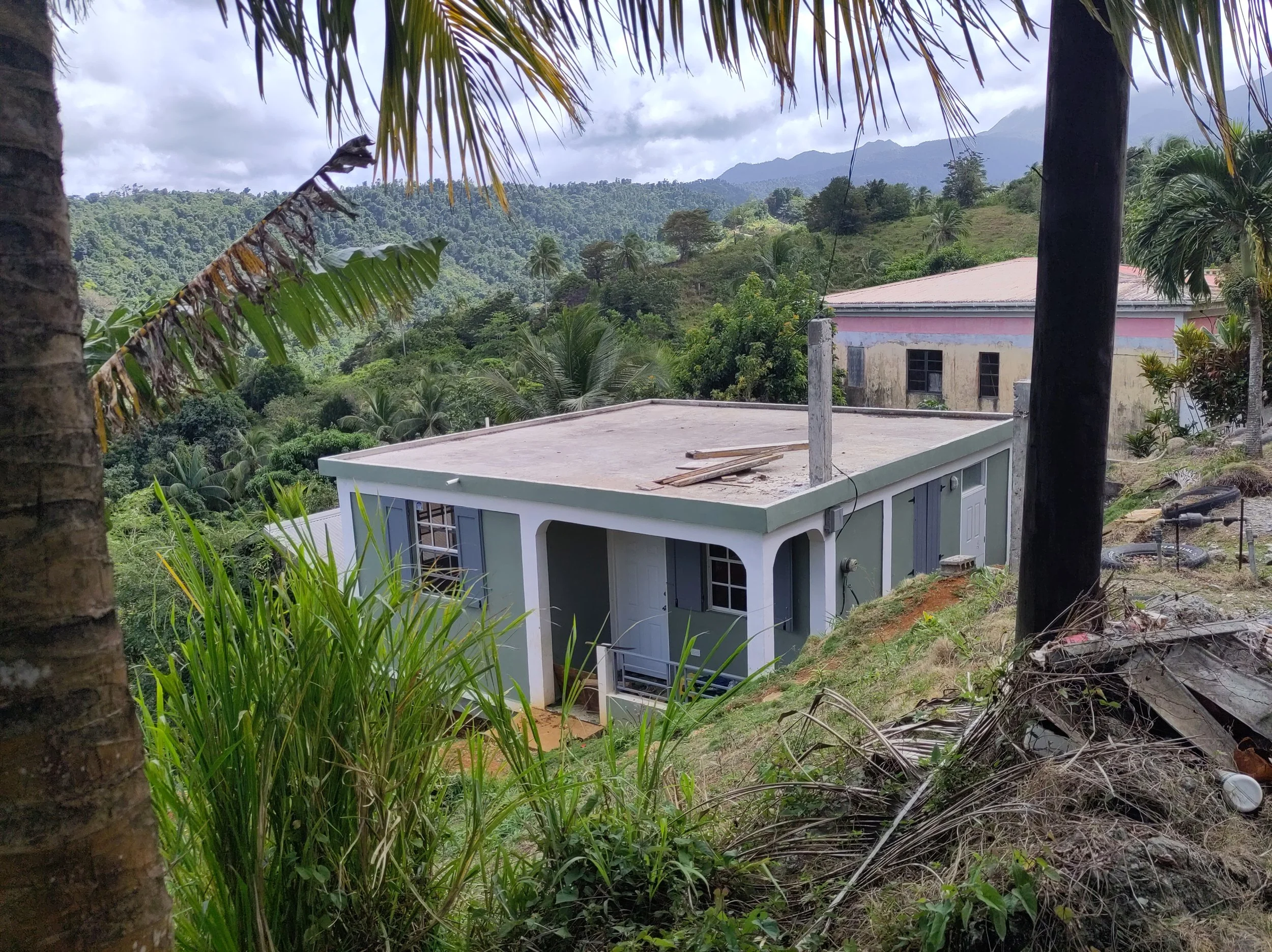
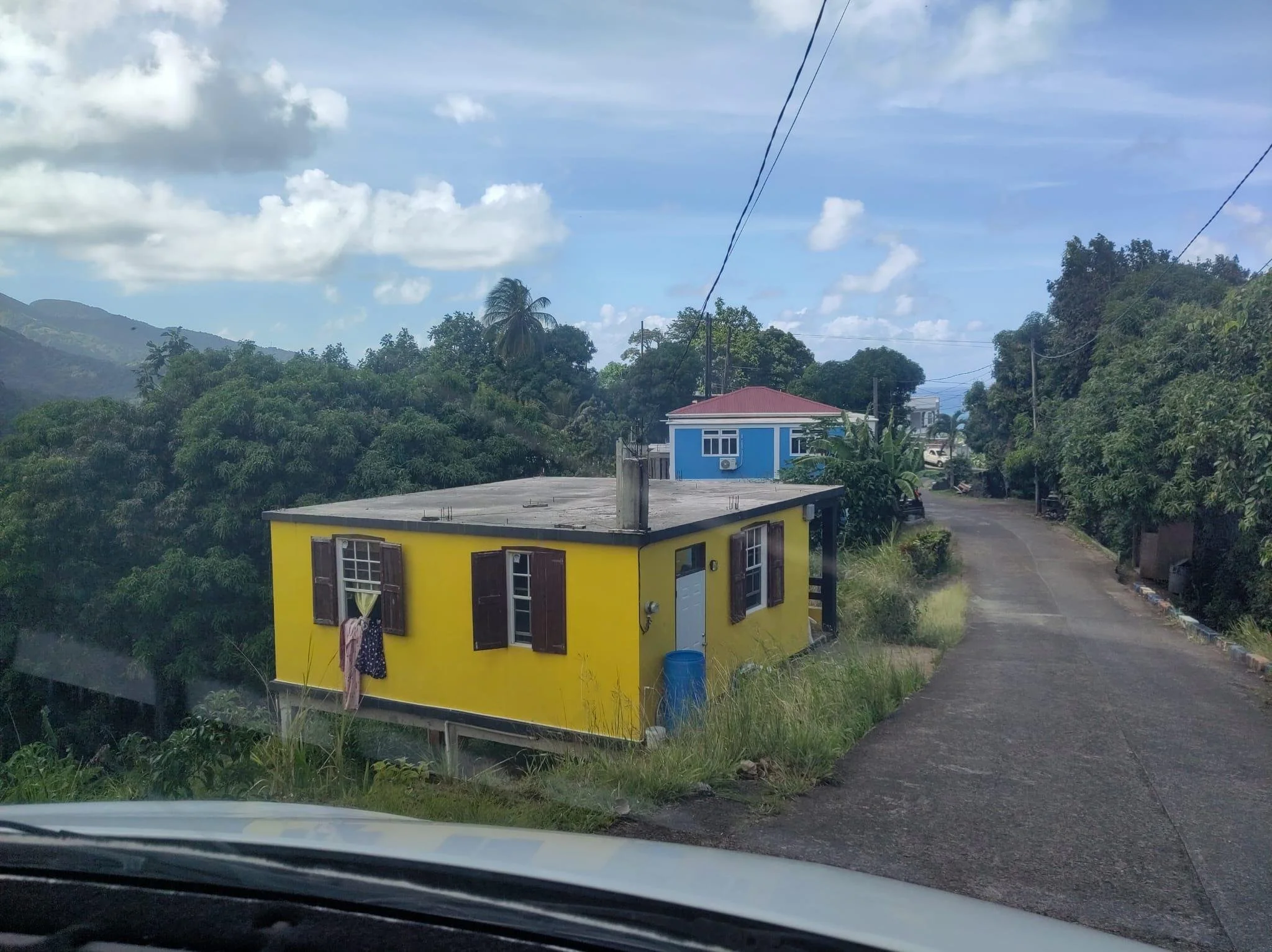
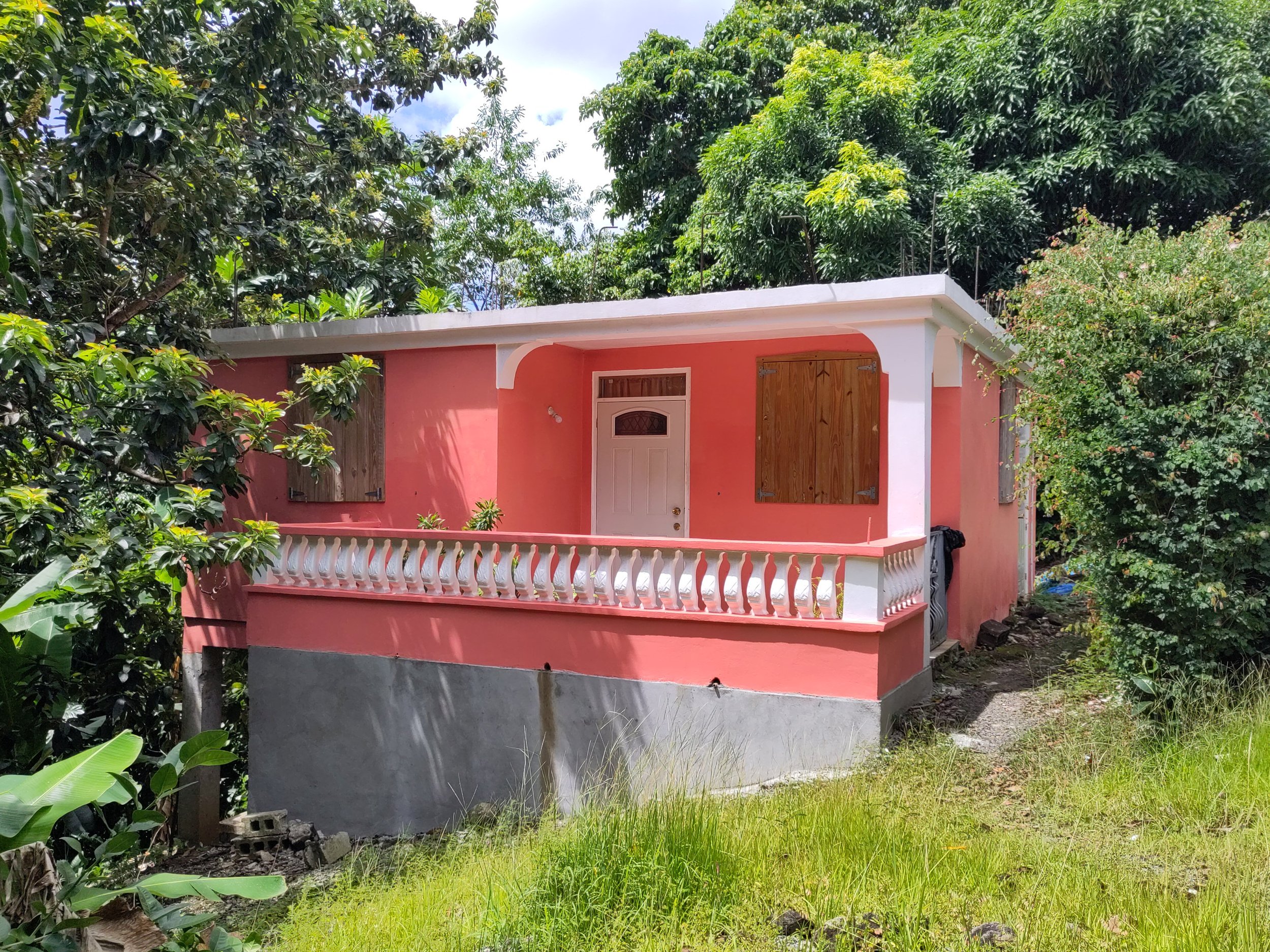
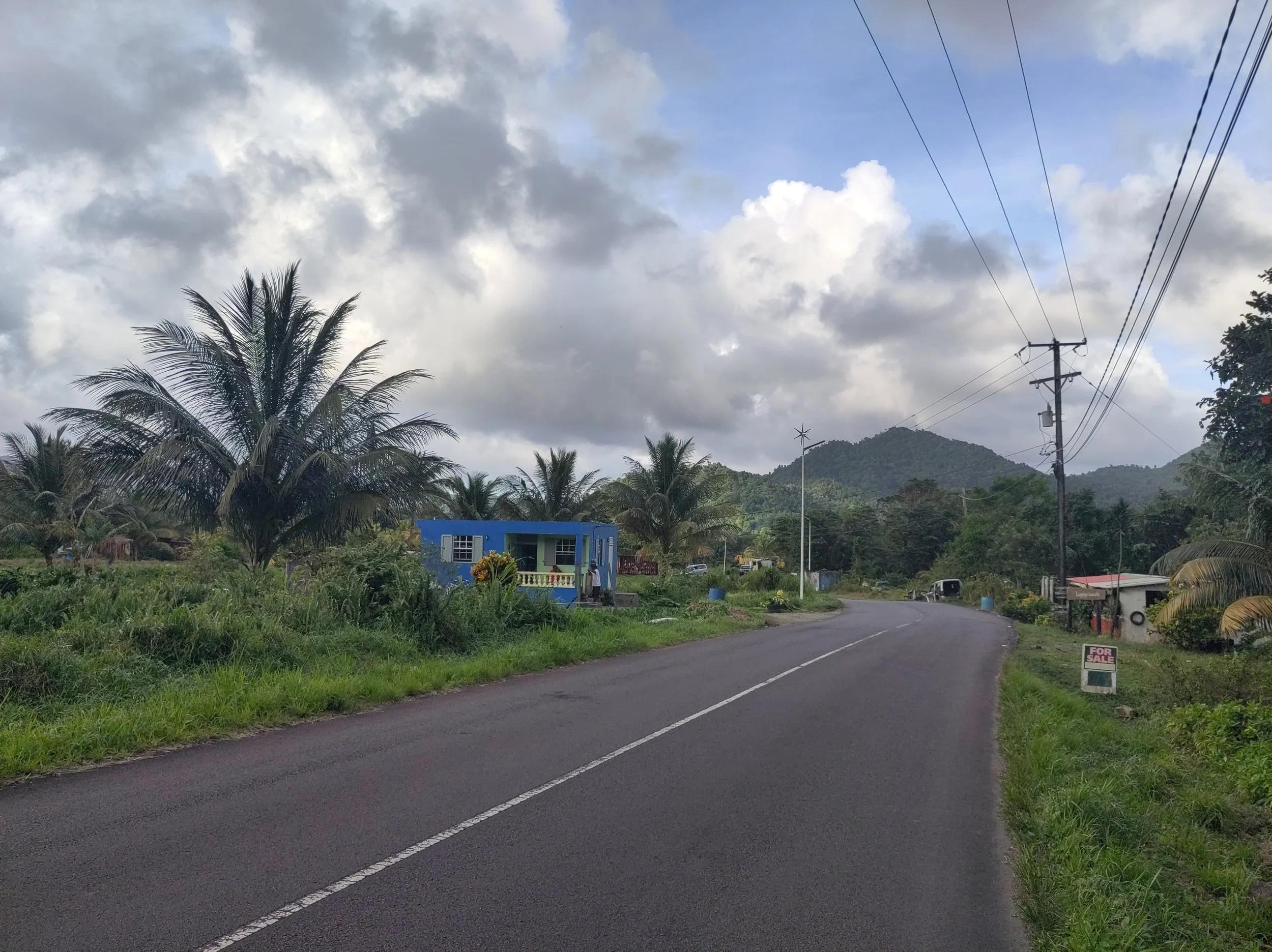
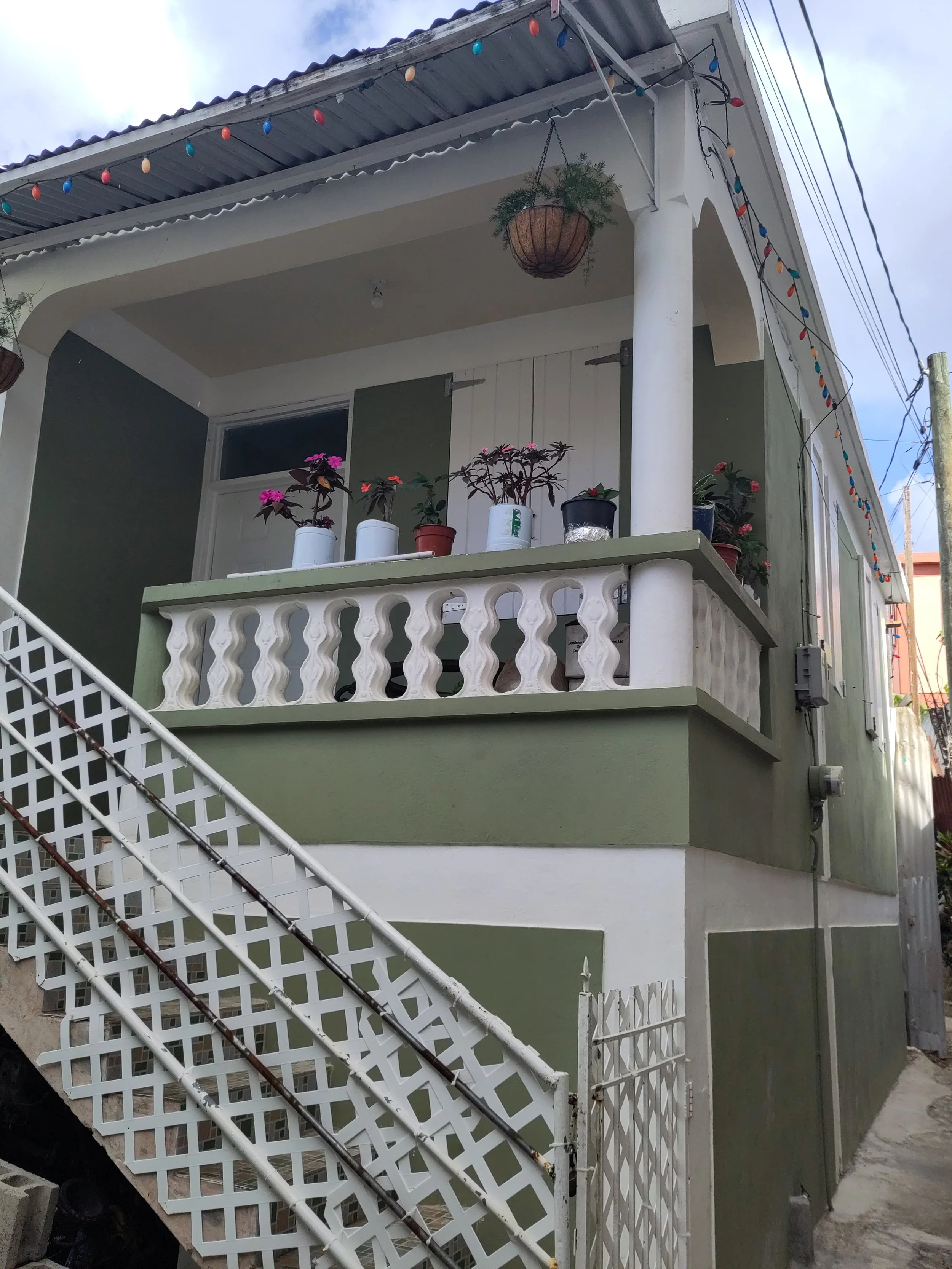
Photos taken by Mark Webb, Article 25 Site Architect, on his recent visit to Dominica in March 2026.
Three years after Article 25 completed the Housing Recovery Project in Dominica, Site Architect Mark Webb returned to the island over Easter - and what he found told a quietly powerful story about what resilient design, done right, can achieve long after the architects have gone home.
Homes built through the programme were still standing strong. More striking still, the model house designs the team had created were continuing to be used for new builds across the island - proof that a well-designed, locally replicable solution can take on a life of its own.
"I was pleased it worked out as a good project in the end," says Mark.
"Seeing it four years on - those houses still standing, still being used, and the designs still being replicated - that's amazing."
Hurricane Maria: How 85% of Dominica's homes were destroyed overnight
Hurricane Maria struck Dominica in September 2017 as a Category 5 storm, destroying or damaging 85% of the island's homes and leaving 50,000 of its 73,000 inhabitants without shelter. In response, the Government of Dominica, with World Bank funding, launched the Housing Recovery Project - an ambitious programme to rebuild 450 dwellings to internationally recognised resilience standards.
Article 25 was appointed as architect, working alongside UK and local engineers to develop six adaptable model house designs, ranging from studio to two-bedroom configurations. Each was engineered to withstand hurricanes, earthquakes and flooding, with features including reinforced hollow block masonry, pressure-equalising vents, minimised overhangs and raised flood plinths.
Documentation was kept deliberately simple - illustrated with photographs of products available from local hardware stores - so that local contractors with small teams of four or five workers could build them with confidence.
That philosophy of local replicability has proven to be one of the project's most lasting contributions.
During his recent visit, Mark noticed something striking: new homes had been built using the Article 25 model designs, well beyond the period of Article 25's involvement in the project.
"Seeing the new houses built this time, I think it shows that the houses are resilient, they work well and they are adaptable - which is a major thing for housing especially," Mark explains.
"I think the design worked pretty well. They've carried on with that model."
Six model designs, built to be replicated by local contractors
This approach to design - creating something so clear, locally sourced and straightforward to implement that it can continue without the original team - sits at the heart of how Article 25 works.
The organisation has long championed what might be called a 'NextGen' ethos: designing not just for the moment of delivery, but for the long life of the project beyond it. Specifications reference materials available in local hardware stores; the construction knowledge and expertise to build and maintain these homes already existed within the community - Article 25's role was to ensure the designs were shaped around that knowledge, so the work could be taken forward entirely on local terms.
More than 330 homes were started during our involvement, with 171 completed by the time we stepped back - but the legacy reaches further than those numbers alone.
A UCL PhD built around Dominica's post-hurricane reconstruction
The Dominica project is also attracting wider academic interest. A UCL structural engineer undertook PhD research* specifically studying the resilience of Article 25's model housing on the island, visiting sites and analysing the structures.
Dominica, Mark observes, offers rich material for this kind of research - a Caribbean island that has faced hurricanes multiple times, and is actively building a case for how to respond.
Roads, airports & geothermal power: Dominica's broader rebuild
The island's broader recovery is visible too. On his visit, Mark noted a new road network, a geothermal power station now operational (something neighbouring Montserrat, where he is currently working as Site Architect on a hospital project, has long aspired to), and a new international airport under construction. A cable car to the famous boiling lake is even in the works, a sign of Dominica's ambitions as a tourist destination. The country is rebuilding with intent.
Article 25's experience in Dominica - managing a complex, country-wide programme for and with government, across hundreds of sites, engaging local contractors, navigating community needs and designing for extreme climate conditions - represents exactly the kind of expertise the organisation brought to the Sustainable Buildings & Construction Summit 2026 in Lausanne earlier this year. Associate Architect Toby Pear co-hosted a workshop titled From Risks to Results: Construction for Disaster Resilience, drawing on projects including Dominica to explore how design can be a practical tool for climate adaptation at scale.
"Dominica is a really interesting place with a rich history, trying to be resilient," Mark reflects.
"You can see why people are doing PhDs there - there's a lot of material. It's a good model for a Caribbean island that has had to deal with hurricanes several times."
That, in essence, is what Article 25 set out to create: not just houses, but a model. One that works, that lasts, and that others can carry forward - long after the team has moved on.
Article 25 designs buildings and infrastructure for communities affected by disaster and poverty around the world.
*The UCL PhD research referenced in this article was conducted by Sarah Esper, examining hurricane resilience in Dominica's post-Maria reconstruction. Her work includes a study of the model house designs used during Article 25's involvement - read the full research here - alongside a related paper on timber structures under hurricane loads, available here.
