
A global honour for humanitarian architecture: Q&A with Bea Sennewald FAIA
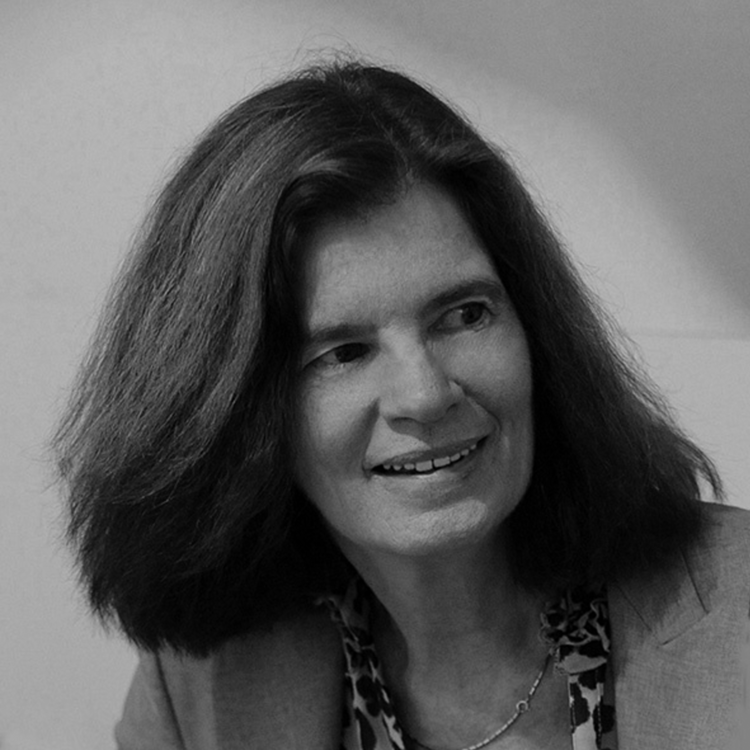
We are proud to share that Bea Sennewald, a longstanding colleague at Article 25, has been elevated to the College of Fellows of the American Institute of Architects (FAIA) - one of the highest honours in the global architectural profession.
Fewer than 3% of AIA members receive Fellowship. Awarded to architects who have made significant contributions to architecture and society, the distinction recognises excellence, leadership and lasting impact.
For a UK-based humanitarian NGO working in some of the world’s most complex and resource-constrained environments, this recognition is rare - and deeply significant.
We spoke to Bea about what the Fellowship means, and why architecture must serve both people and planet.
What does being named a Fellow of the American Institute of Architects mean for you professionally?
“It’s a great distinction to receive. Most of the time in architecture it is our projects that are recognised, whereas this is an honour given to an individual for work done over decades.
I am thrilled to be singled out since the elevation to the College of Fellows validates the work we do at Article 25 and the underlying philosophy that guides it.”
While the Fellowship is awarded to Bea as an individual, it reflects the collective impact of the teams and communities she has worked alongside - and reinforces that architecture in service of society belongs at the centre of the profession.
Fellowship recognises contributions to both architecture and society. Which achievements does this honour reflect most strongly?
“What has always been at the forefront for me is the imperative that a building should enhance the life of the people who live, study or work in it.
A hospital should be a place of healing. A school should create a pleasant learning environment where teachers and students can form a community. A lab needs to be the right environment for scientists to make new discoveries and fulfil their ambitions.
Every building has the power to engage with its landscape - to create harmony and spirit - but it can also degrade its surroundings. I’m fairly sure that architecture and society have equal weight here.”
This principle runs through Article 25’s healthcare, education and housing projects: buildings designed not as symbols, but as essential infrastructure that improves lives.
Were there defining moments that shaped your commitment to socially driven design?
“For many years I worked on high-tech laboratories all over the world. I enjoyed the technical challenge and the privilege of working with top scientists from different countries.
But in 2004 I had a chance to design small clinical labs for community hospitals in Tanzania. The time I spent on the ground highlighted the enormous inequality of opportunity between growing up in Tanzania and growing up in Europe or the U.S.
From then on, I collaborated with other architects and builders to bring decent clinics to places where people went without.”
One of those projects was a remote clinic in rural Zambia, where patients had travelled up to 240 miles by bicycle to access medical help.
“We built a small hospital for the community and even though there are not always doctors in residence, it has had a big positive impact on the lives of thousands of people.”
These are not abstract design exercises. They are buildings that save lives.
Why is architecture critical to advancing equity and climate resilience?
“Climate responsive design should be a given for all architects everywhere. It’s not difficult to learn to use wind for cooling breezes or the sun for heating in cold climates. Traditional architectural forms all over the world are adapted to local climate.
With the threat of climate change, that knowledge is making a comeback.”
But resilience means thinking beyond today’s conditions.
“To achieve resilience, we have to look beyond immediate needs. It means envisioning an environment that may be hotter, or at higher risk of severe storms or much more rainfall - and designing for it.”
A powerful example is Anandaban Hospital in Nepal.
“Our engineers foresaw the possibility of land slip; together we changed the site. The hospital survived the major landslides in Nepal in 2024 and kept functioning without interruption.”
Design foresight ensured continuity of care when it mattered most.
Can architecture promote equity?
“Yes, it can. In my work at Article 25 we can influence gender equity in particular.”
In many parts of Africa and Asia, girls drop out of secondary school because they lack safe and private sanitation facilities.
“As architects we cannot change society, but we can facilitate change by listening carefully to people’s needs and addressing them in our designs.”
By incorporating dignified sanitation into school design, Article 25 helps remove one of the structural barriers to girls’ education - strengthening not just buildings, but futures.
How does working in resource-constrained environments redefine architectural excellence?
“Every architect with ambition loves the challenge of creating a good solution in response to constraints. The more constraints we face, the better we usually like it.
At Article 25 we look for locally available materials as soon as we arrive on site, and we infer construction skills from the buildings around us. We often come back to London with several exciting design ideas.
The very fact that our palette is limited leads to better designs.”
This Fellowship affirms something we have long believed at Article 25: world-class architecture does not depend on abundant resources. It depends on rigour, imagination, and a deep respect for context.
Architecture at its very best
Bea’s elevation to Fellowship of the American Institute of Architects is a personal milestone - but it is also a recognition of humanitarian architecture as a discipline of global importance.
It demonstrates that buildings designed for health, dignity and resilience are not peripheral to the profession. They are architecture at its very best.
For our supporters and partners, this honour reinforces the impact of the work you make possible: healthcare facilities that continue functioning through landslides, schools that support girls to stay in education, and infrastructure designed for a changing climate.
Architecture can - and must - serve society.
