
Building for change: Our latest NextGen event demonstrated the power of the built environment to transform lives
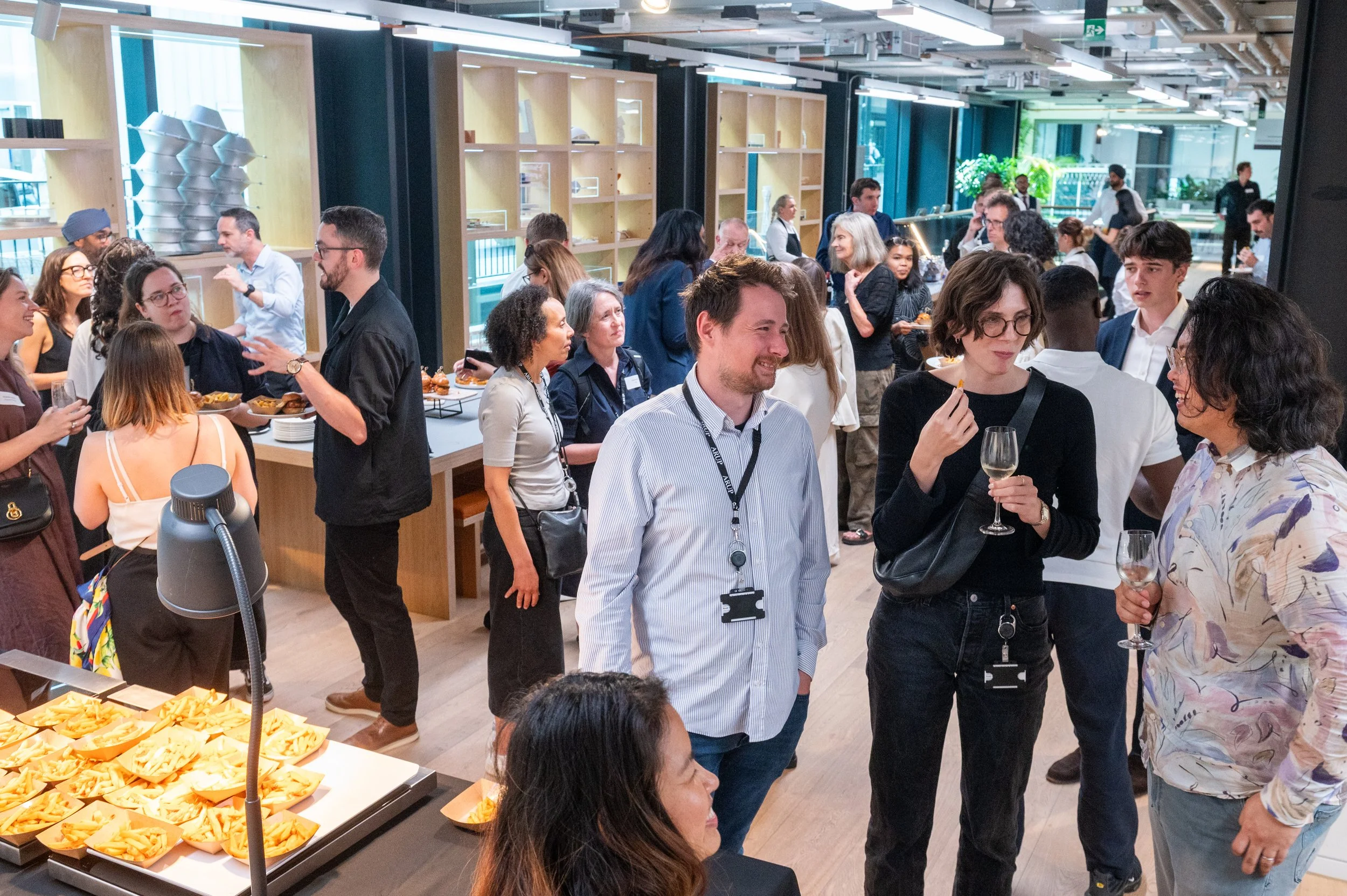
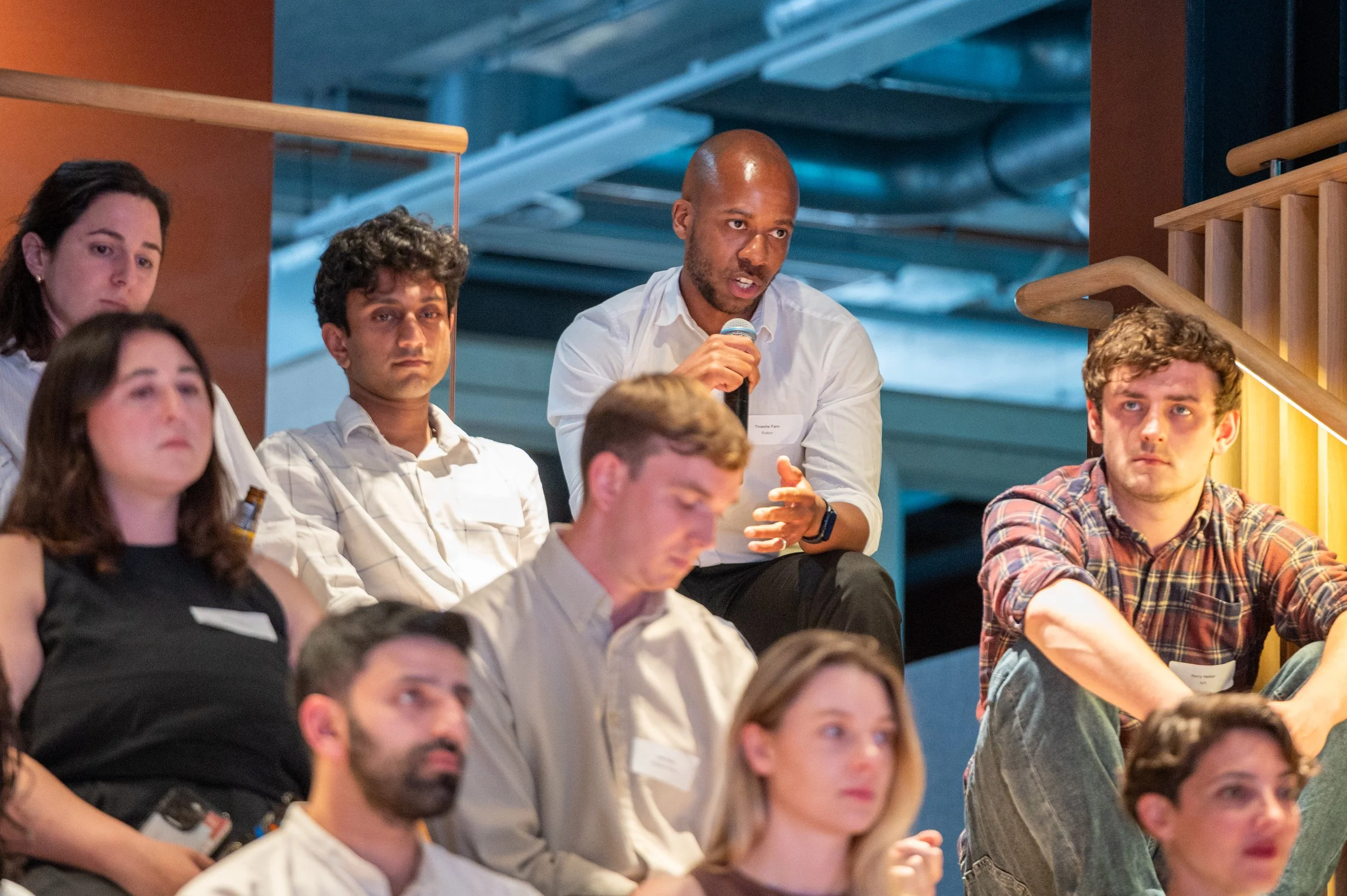
Earlier this month, More Than a Building member Arup hosted our second NextGen event exploring “The Built Environment as a Catalyst for Social Change.” Following the success of our launch event, this one did not disappoint - drawing over 100 next generation attendees from across Article 25’s More Than a Building network with the promise of food, drinks, comfortable seats and a lineup of thought-provoking speakers.
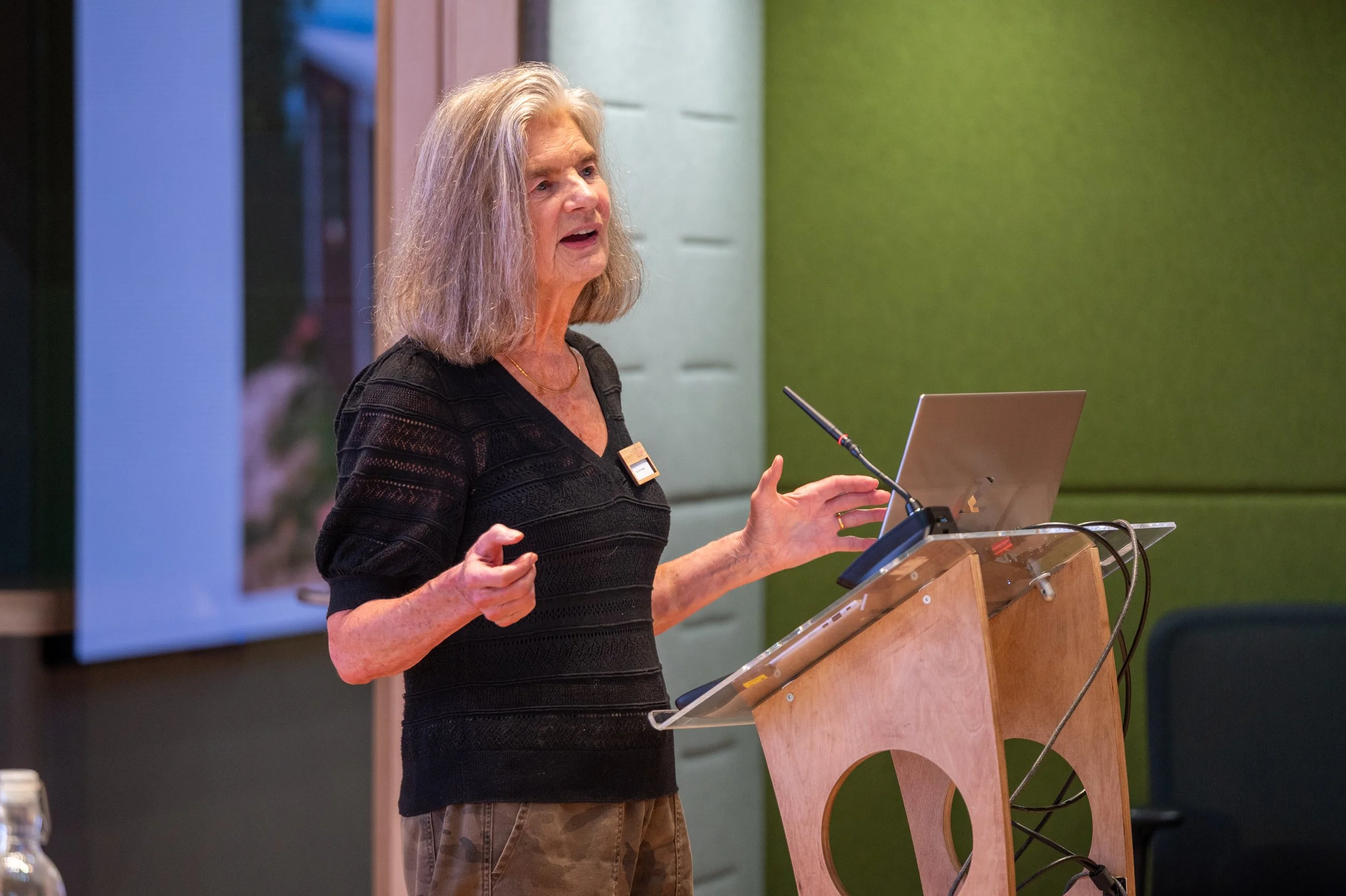
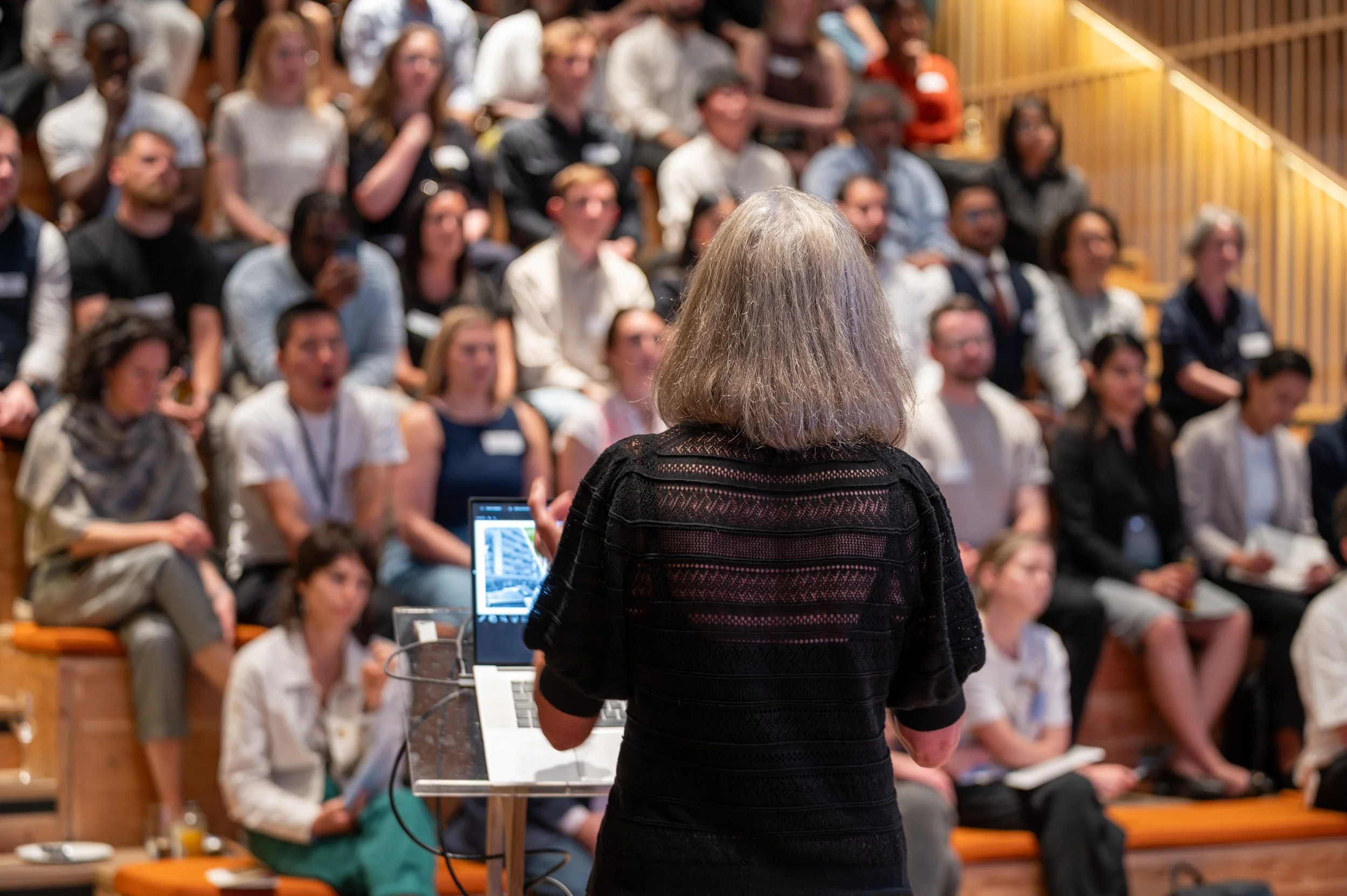
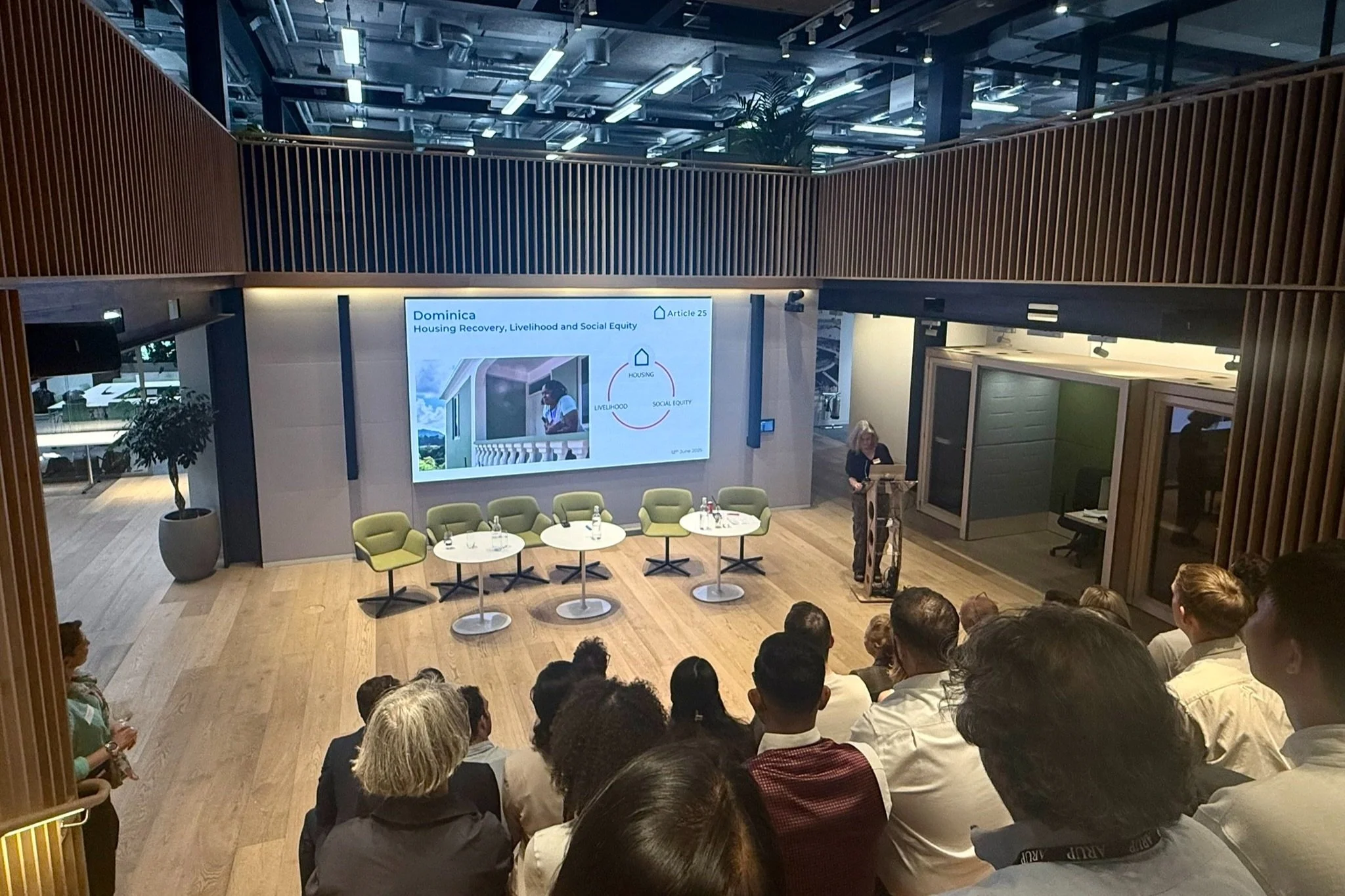
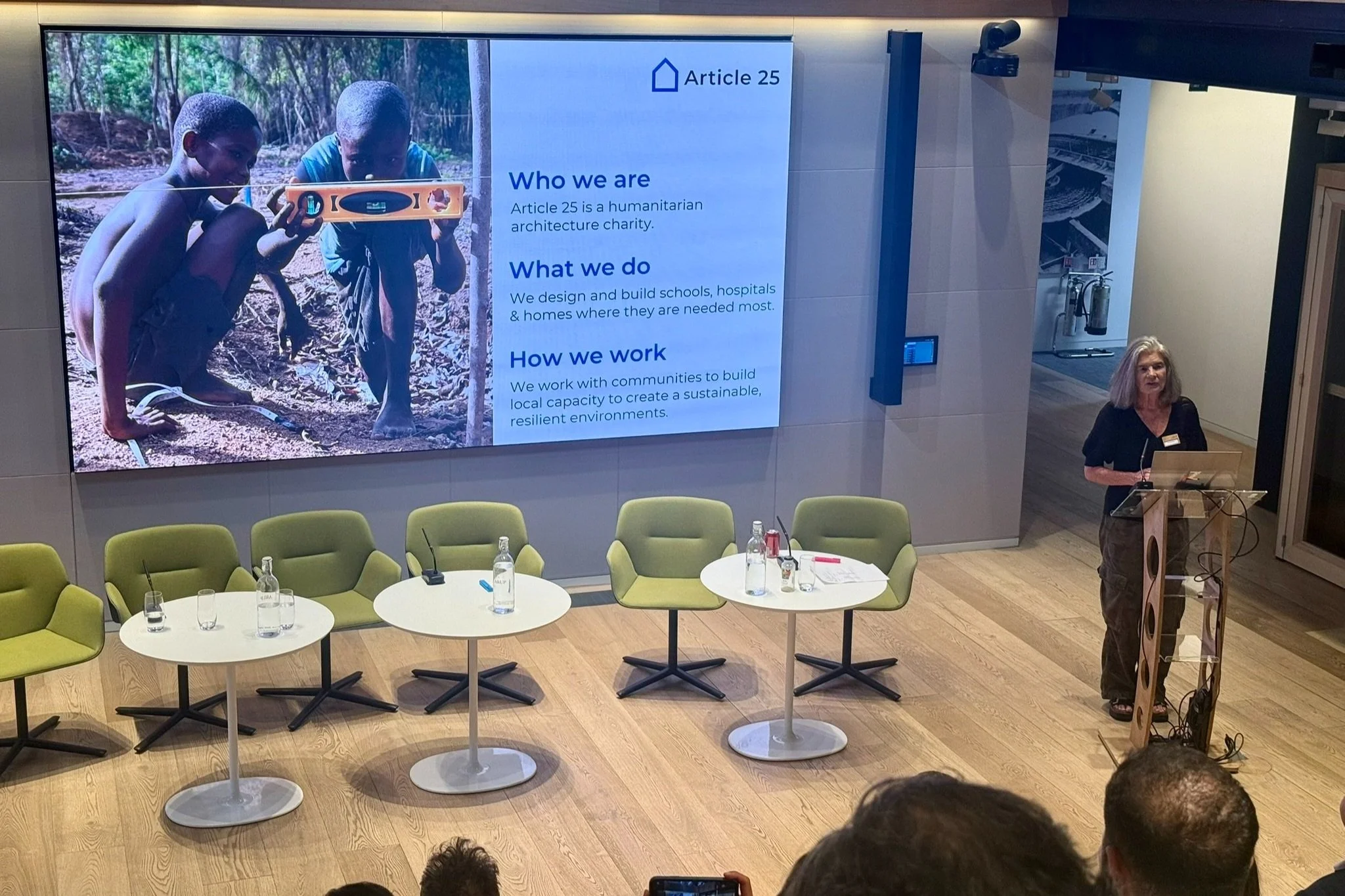

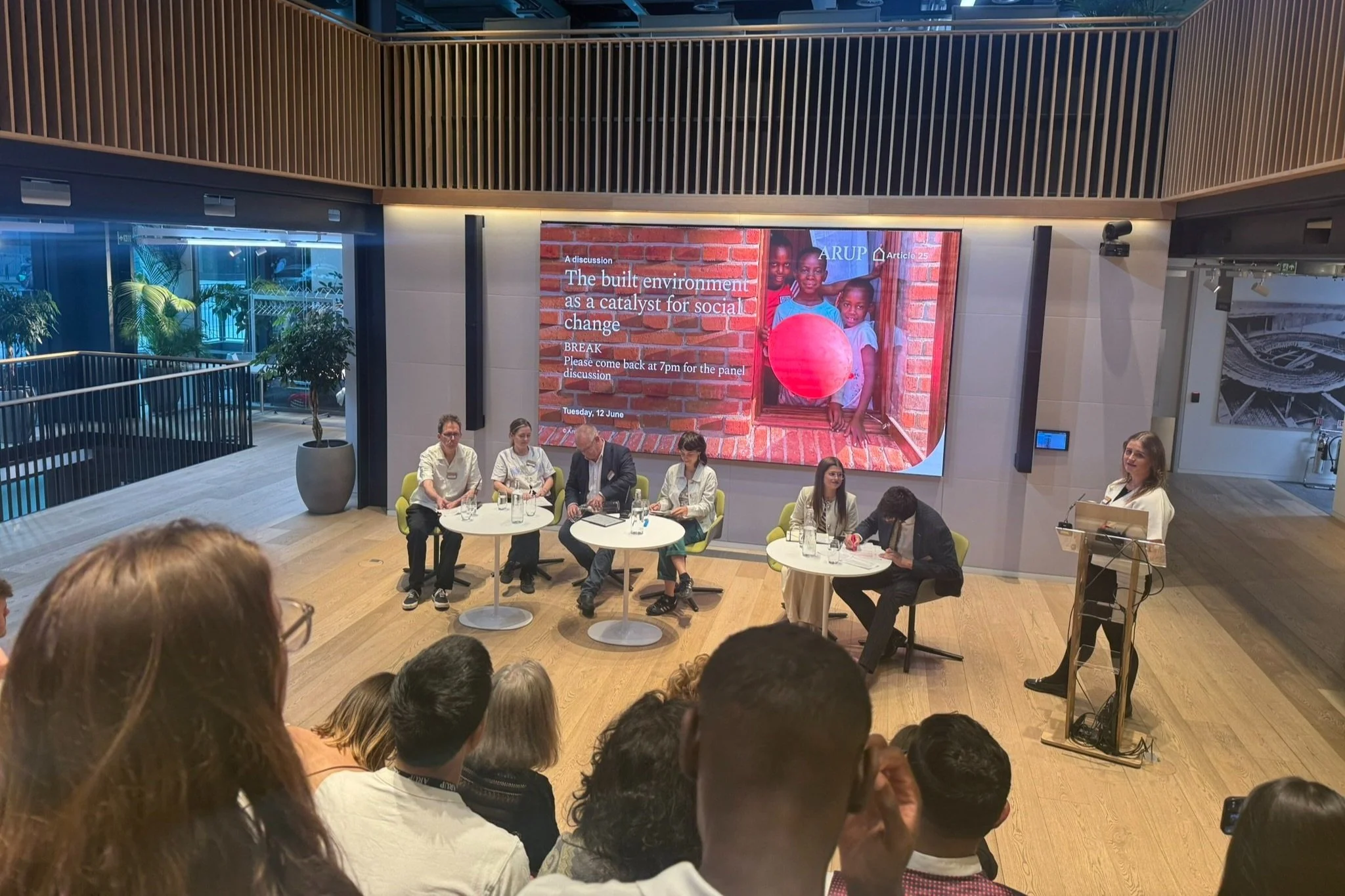
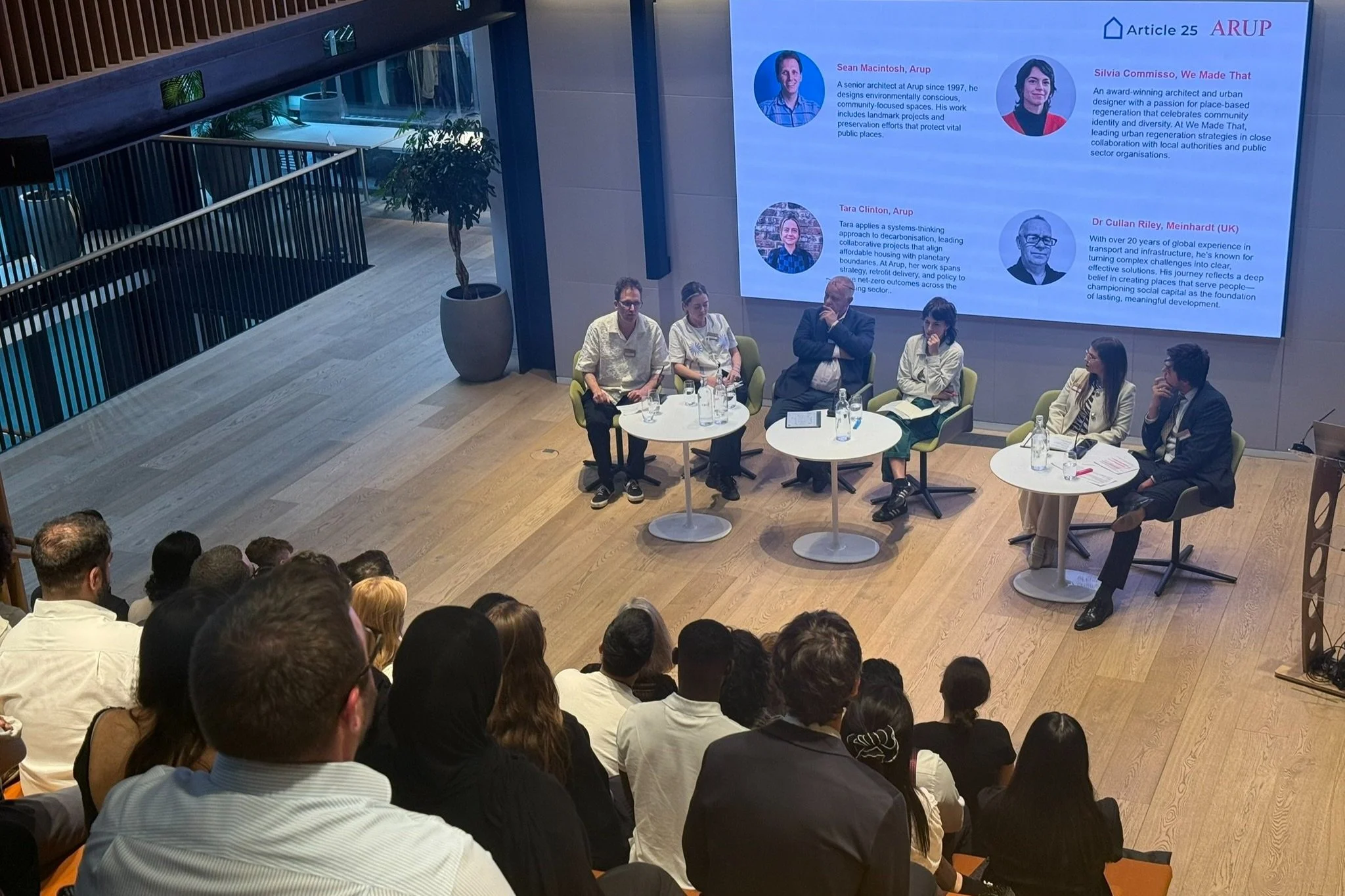
The evening began with a presentation by Bea Sennewald (Director of Projects, Article 25), showcasing Article 25’s Housing Recovery Project in Dominica, where 450 resilient homes were constructed in the wake of Hurricane Maria.
The presentation showed how resilient design can save lives and reduce economic hardship. Many of the 450 homes were built using “materials Article 25 finds in the place; and the pre-existing construction skills” of the region - particularly those of Kalinago contractors (Dominica’s Indigenous community), building for Kalinago families. This approach gave local communities peace of mind, knowing their families were safe and their homes better able to withstand future storms.
“Architects are supposed to be catalysts for social change; bringing people together,” Bea noted, reminding the next generation of designers, engineers and planners that buildings are never just structures; they are part of our social fabric.
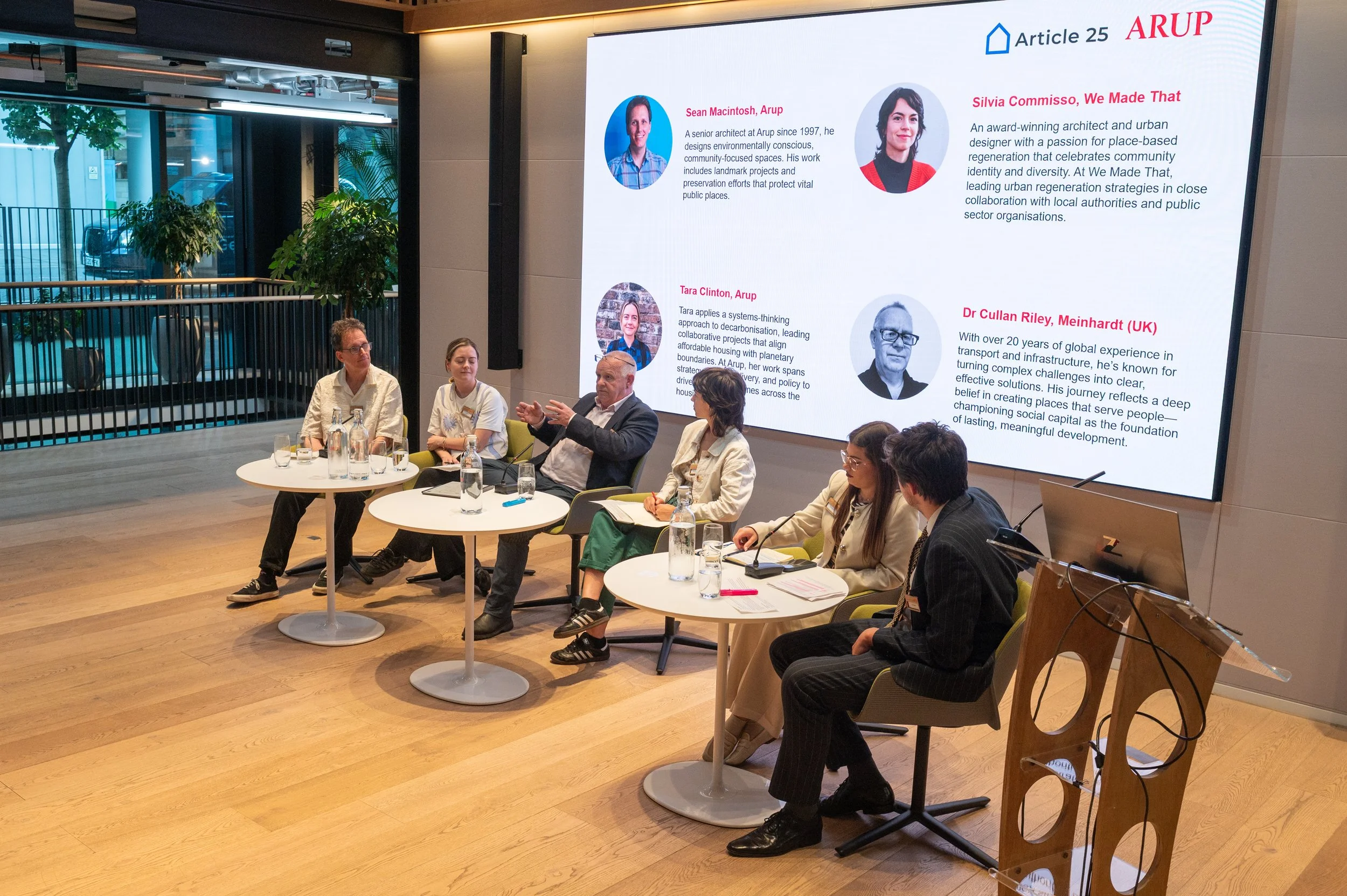
This notion of the power of the built environment to transform lives and create lasting impact carried through the panel discussion that followed.
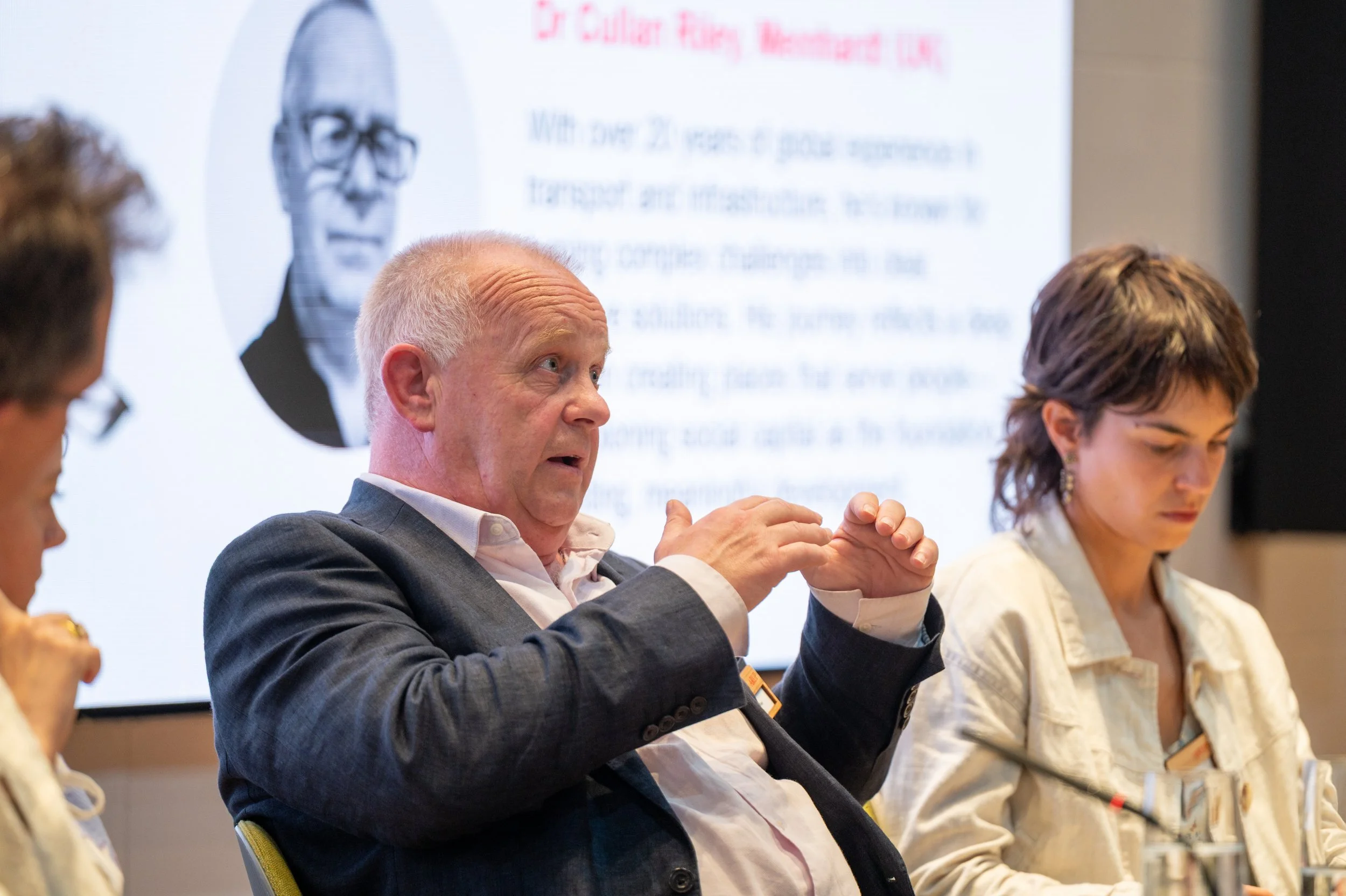
“Why do we do it? It’s about people; creating human capital through what we do,” said Dr Cullan Riley (Director, Meinhardt), impressing on the audience his deep and powerful experience of over 20 years. He warned that this human capital is “often forgotten” because the built environment tends to “focus on the capital we create in the economic environment.”
“Where do we sit in the historical narrative of architecture?” asked Sean Macintosh (Senior Architect, Arup), underlining the need for communities to have a voice in shaping their own environments. “We sometimes avoid the question of ‘Who’ in architecture,” he added.
This focus on the who and why echoed Article 25’s approach, as Bea emphasised the importance of “working closely with communities” in the places we serve across the Global South to produce successful architectural design.
As Silvia Commisso (Senior Urban Designer, We Made That) underscored, “successful design is where the people who benefit from it are effectively involved in designing it.”
While Article 25 works in regions with the most urgent needs, the panel agreed that affordability is a global concern. “What is affordable?” Cullan asked. “My part of Gloucestershire has a different view of affordability than more urban environments, but it doesn’t mean they aren’t struggling with fuel poverty.” This subjectivity, he added, is “hugely important.”
Still, many developments do “not meet the requirements for affordability,” Silvia pointed out. Tara Clinton (Associate, Arup) offered a solution: “thinking in systems” and “diversifying developers so that you can deliver homes by other means too.”
Cullan challenged the audience to rethink how value is defined altogether: “Change the metrics and the way value is put into the cost-benefit return,” if we want the built environment to truly drive social change. He urged the next generation to consider their own role in reshaping this narrative.
Opening the evening, Hayley Gryc (Associate Director, Arup) offered a powerful call to action, with a provocative focus on the role each of our attending next generation can play in the future: “There are global challenges, but there’s huge opportunity for us as designers to rethink how we design at every stage of the life cycle to build our world for social change.”
Hayley urged attendees to “prioritise people over profit, collaboration over top-down planning; we can create transformative spaces.” This message was emphasised by Bea, who closed her presentation with a reminder of the importance of creating “places that are inviting and allow people to come together” in order to build lasting “social capital!”
The evening reinforced that those working in the built environment do more than just design and deliver buildings. With vision, purpose and partnership, they can create lasting impact.
Interested in attending our NextGen event?
Find out more about the event series open to all members of More Than a Building, and get in touch with our team: events@article-25.org.
