
Back to the Drawing Board: A night about repair and hope
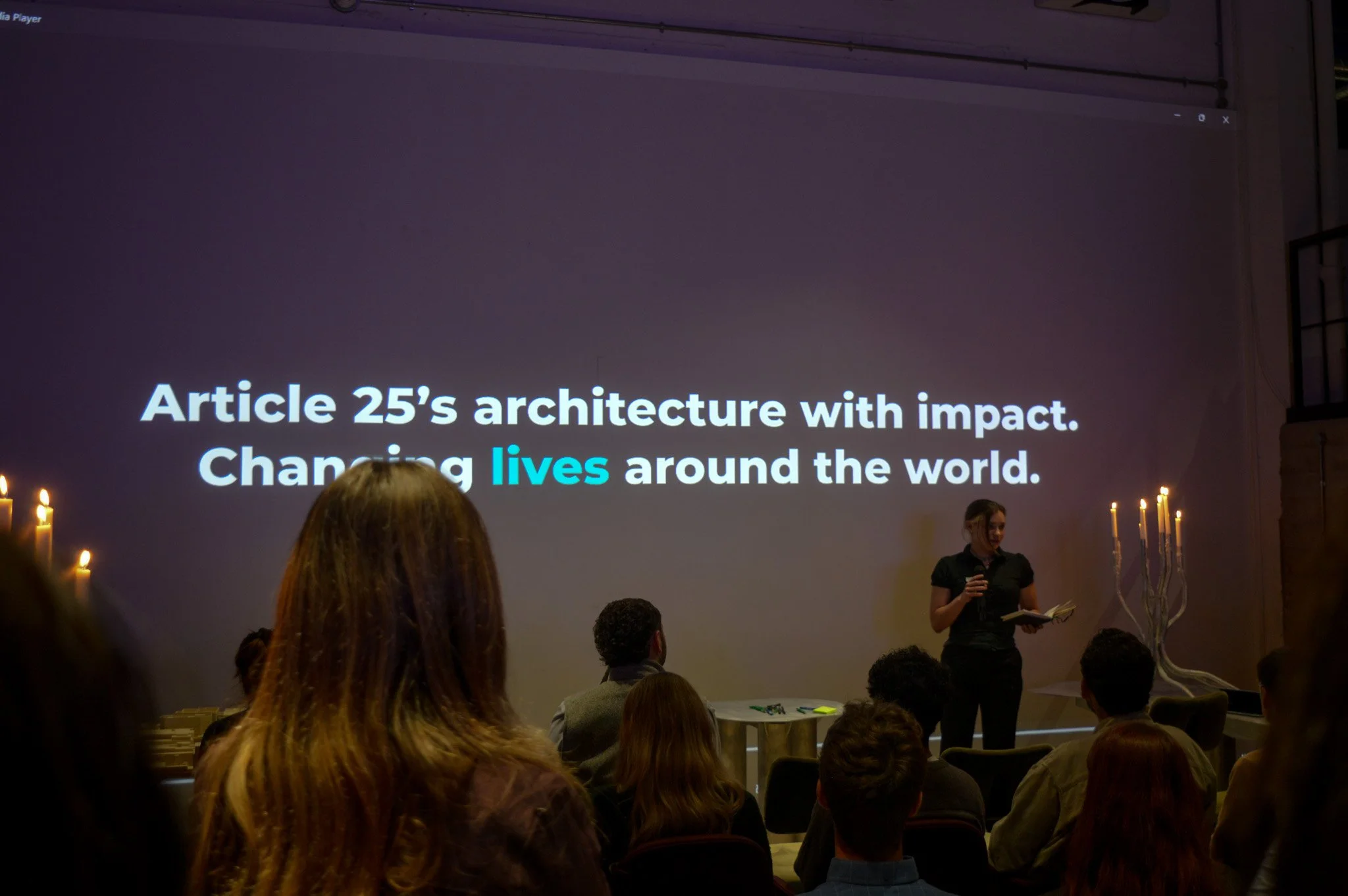
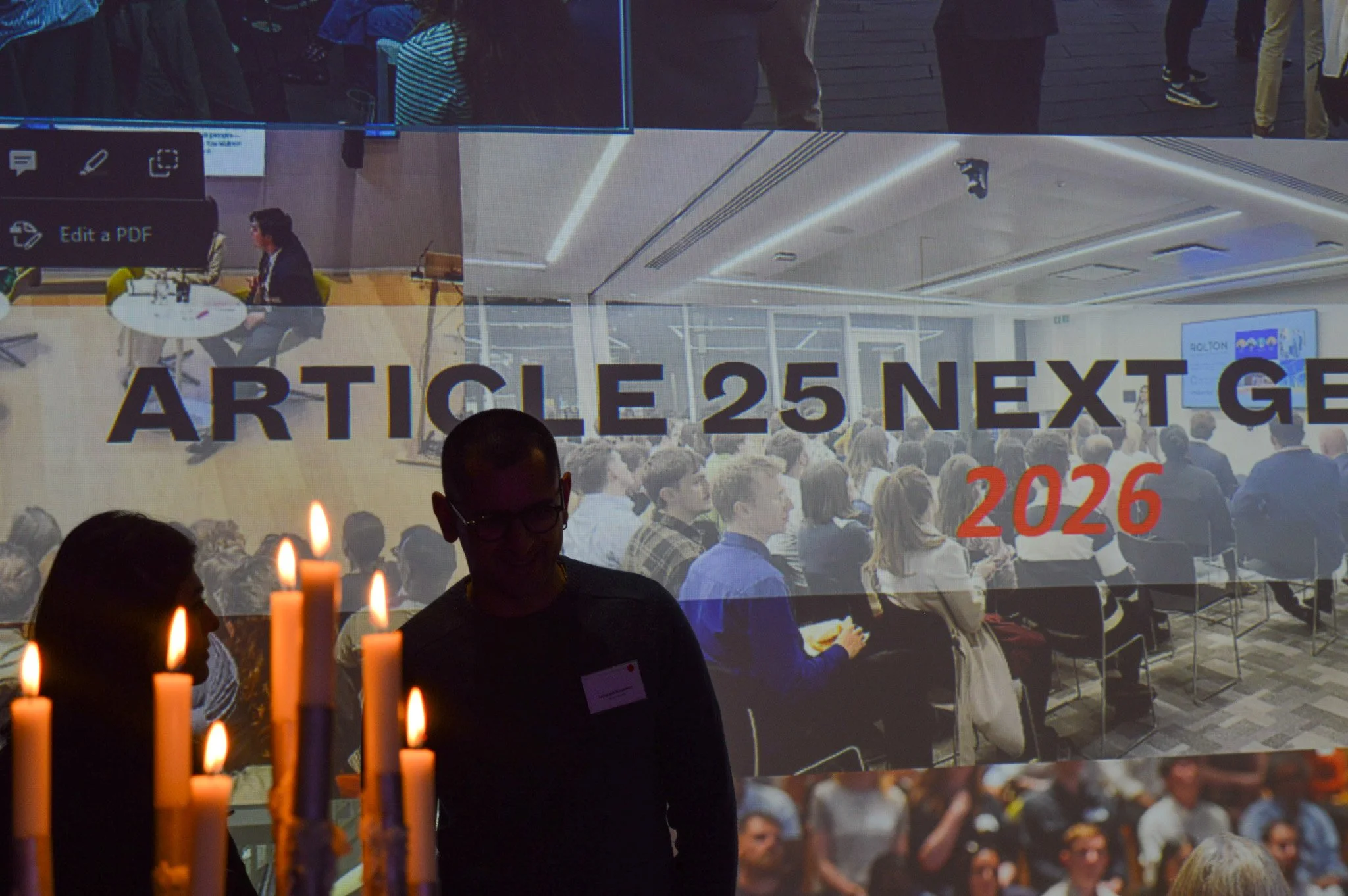
As part of the More Than a Building initiative, on 25 November the final session of the 2025 NextGen series took place, an event for emerging architects, engineers and young construction professionals to rethink how we design and build for a more sustainable world.
The Entrance
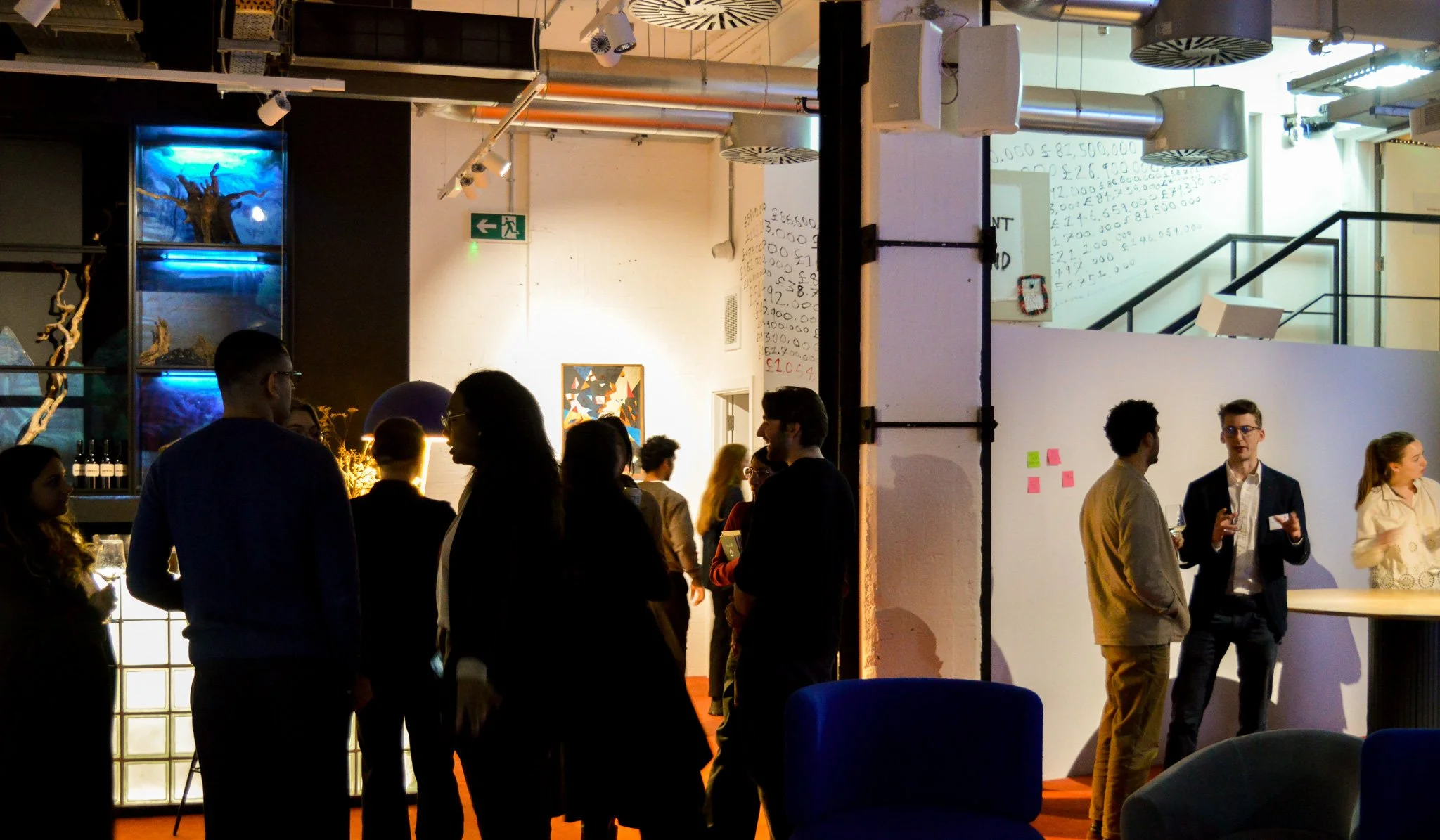
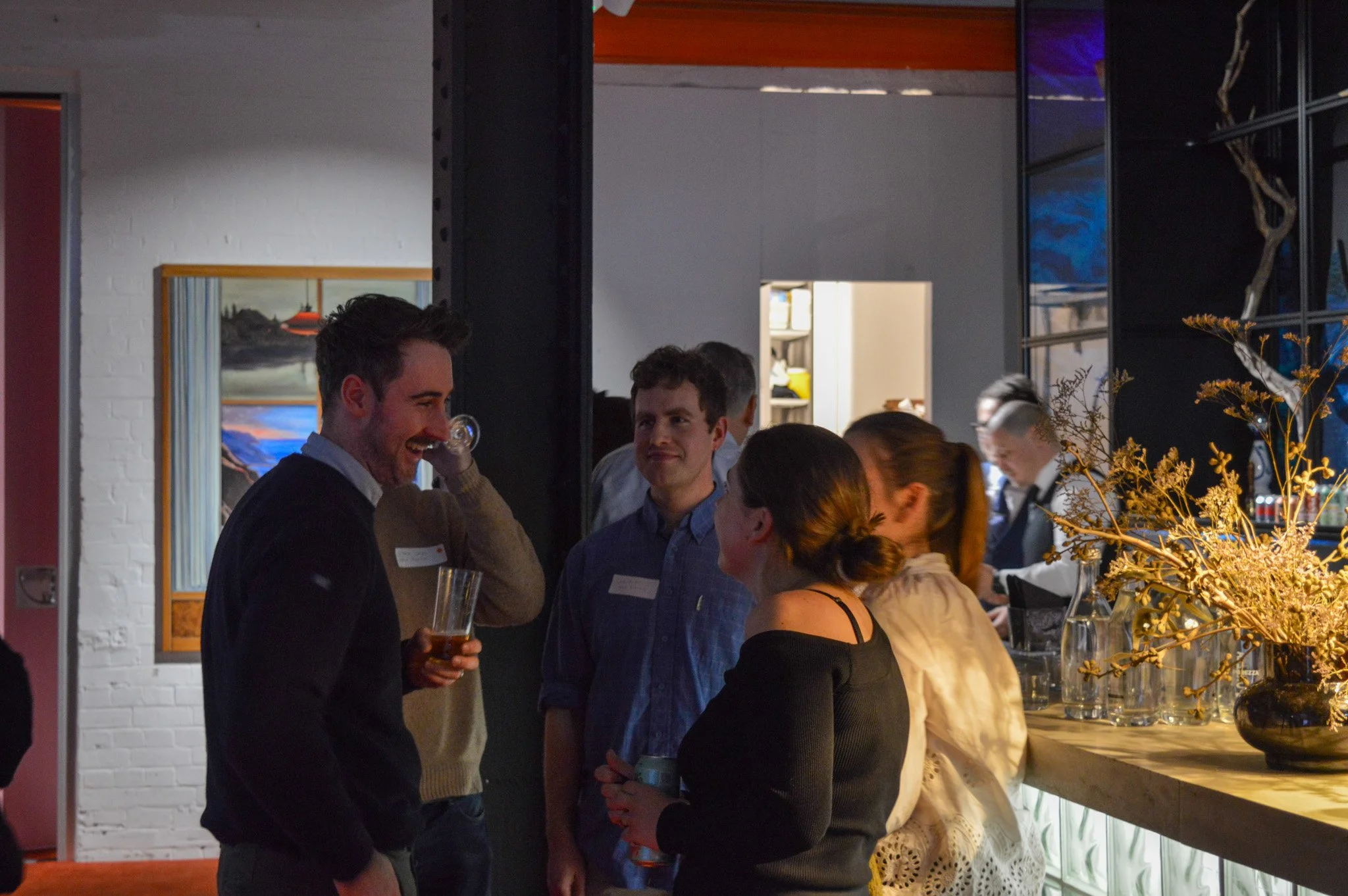
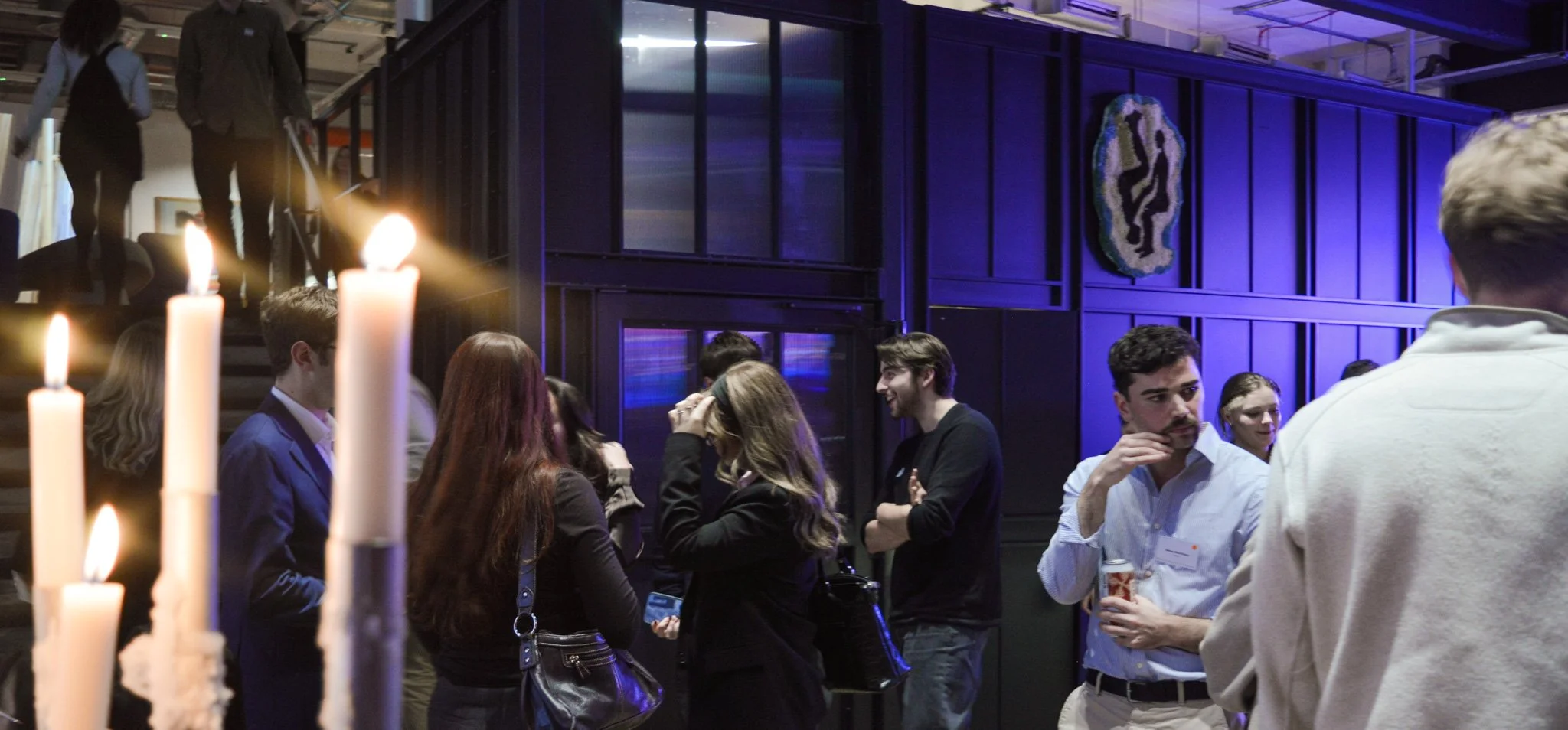
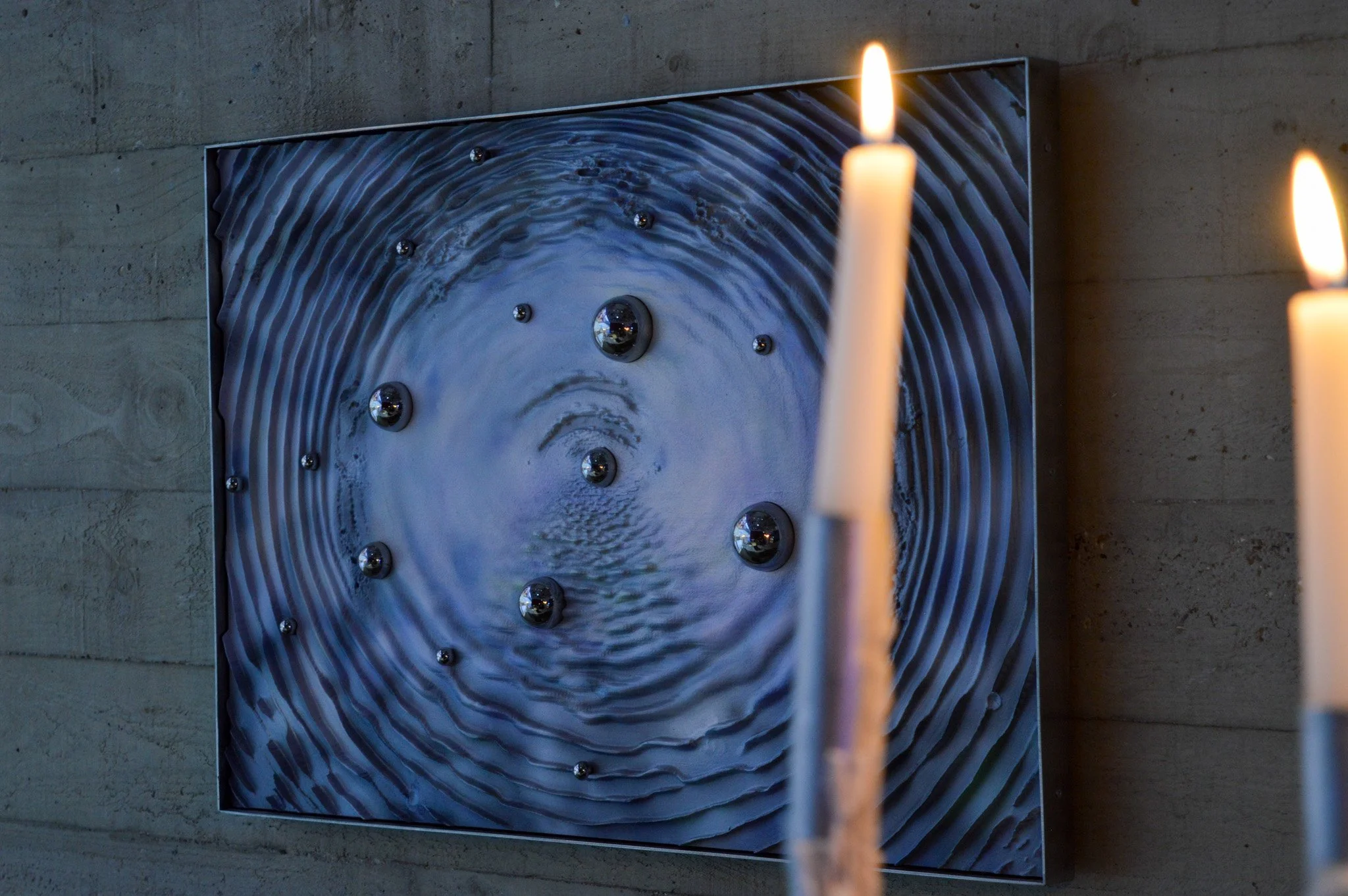
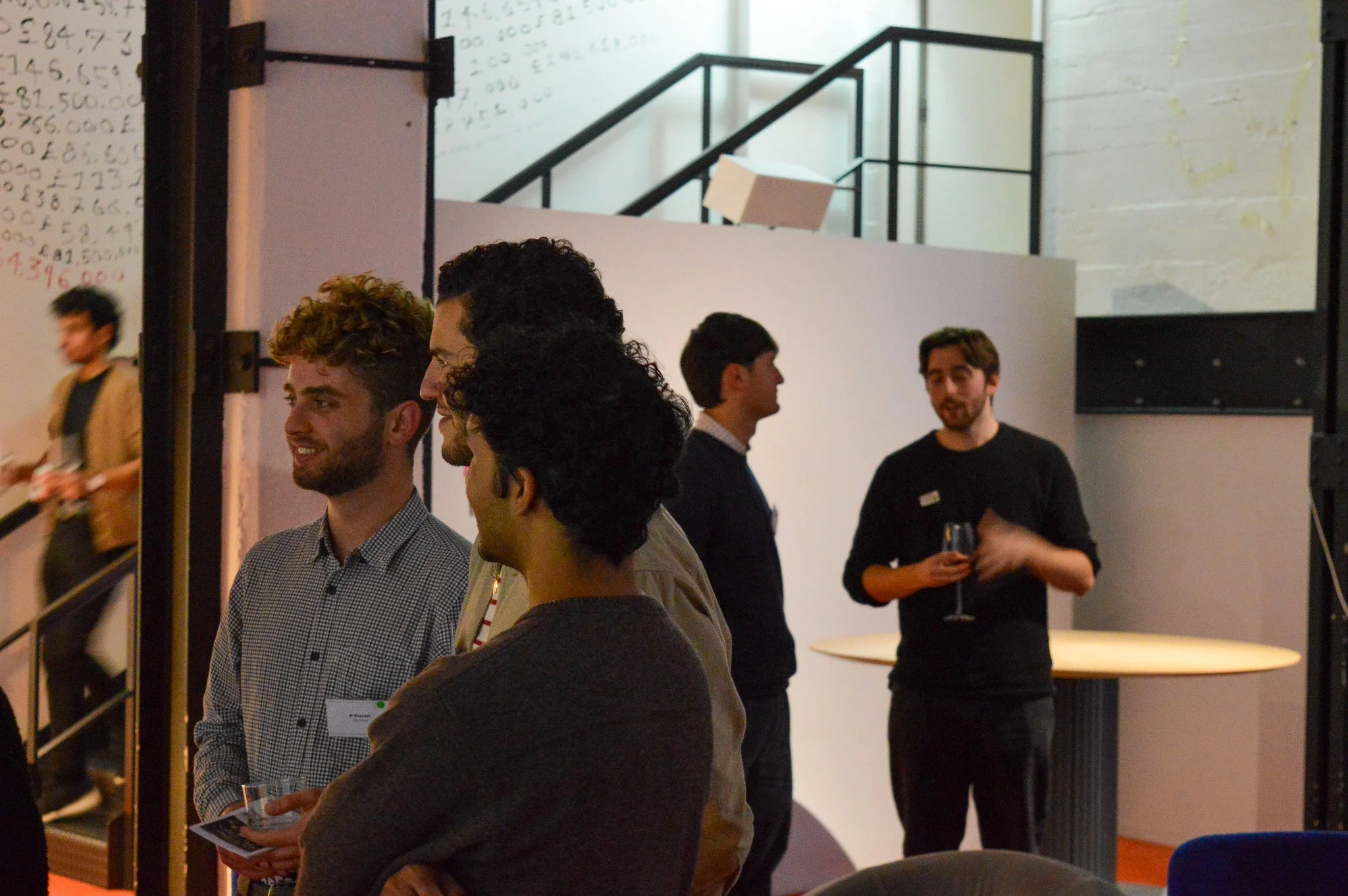
This time, the Shoreditch Arts Club set the stage. If you’ve been there, you know the feeling: entering the building is like stepping into an industrial-glam dream. It was an ideal atmosphere for a night centred on architecture, design innovation, sustainability, social justice and collaboration in the built environment.
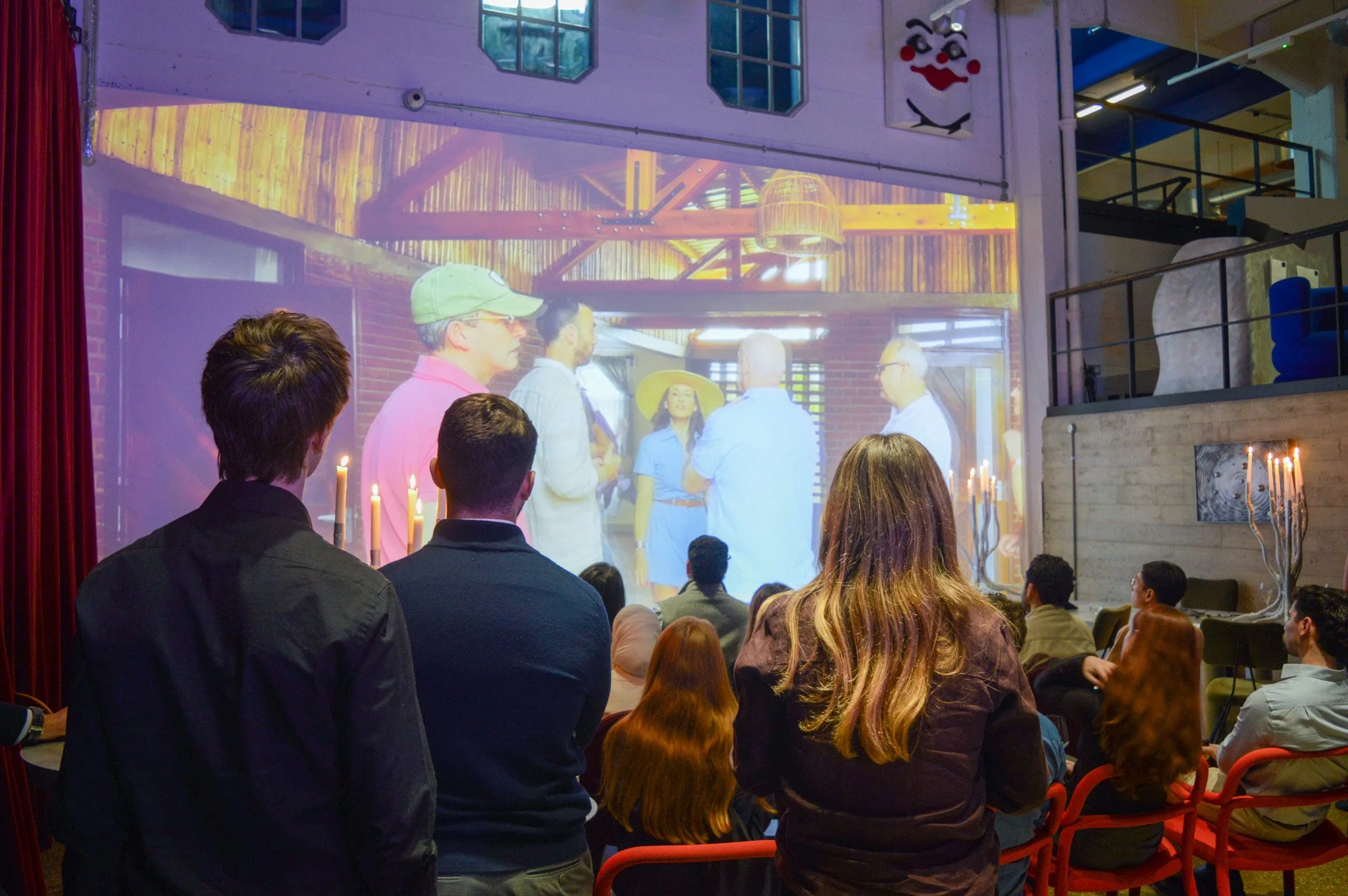
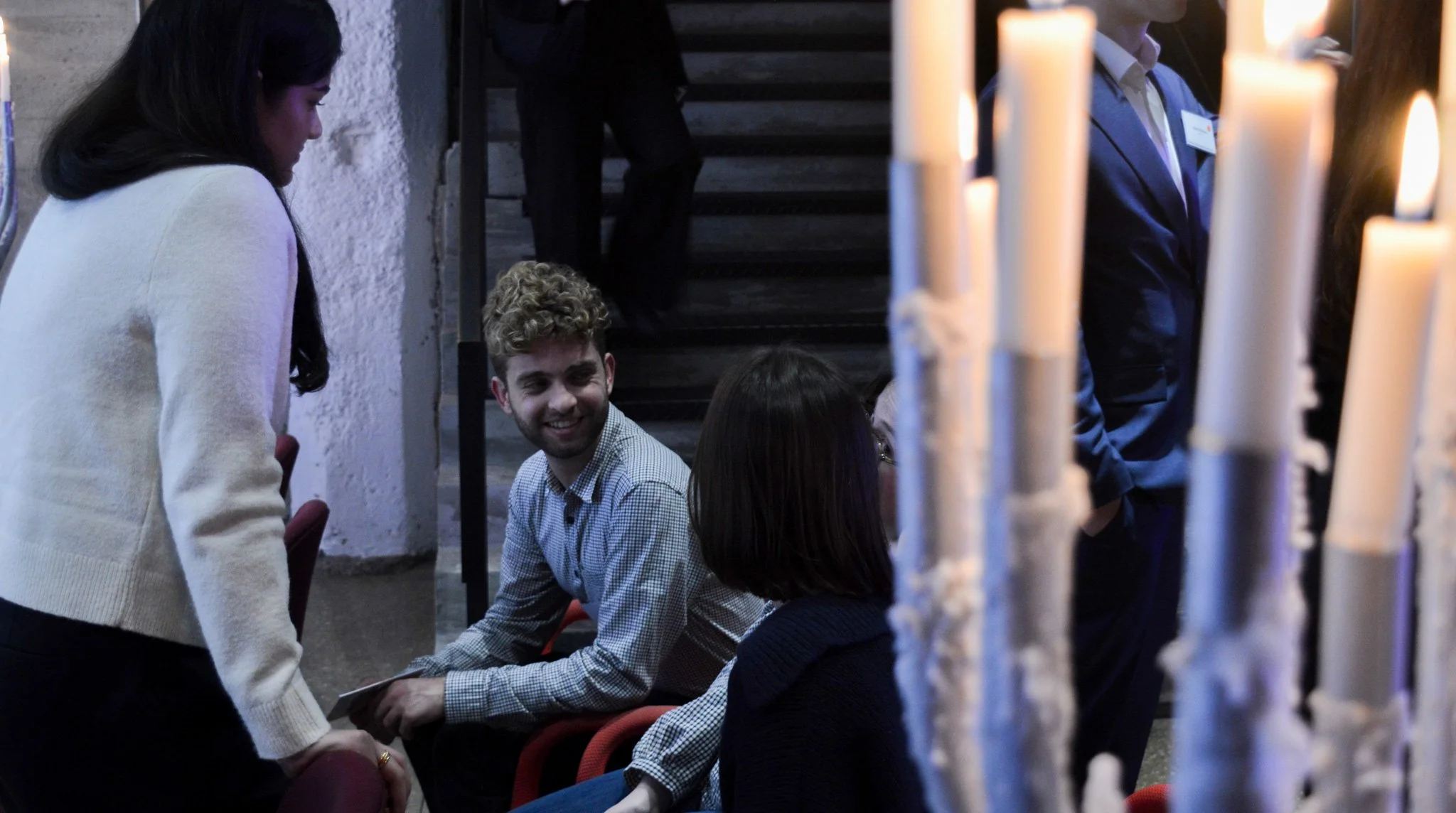
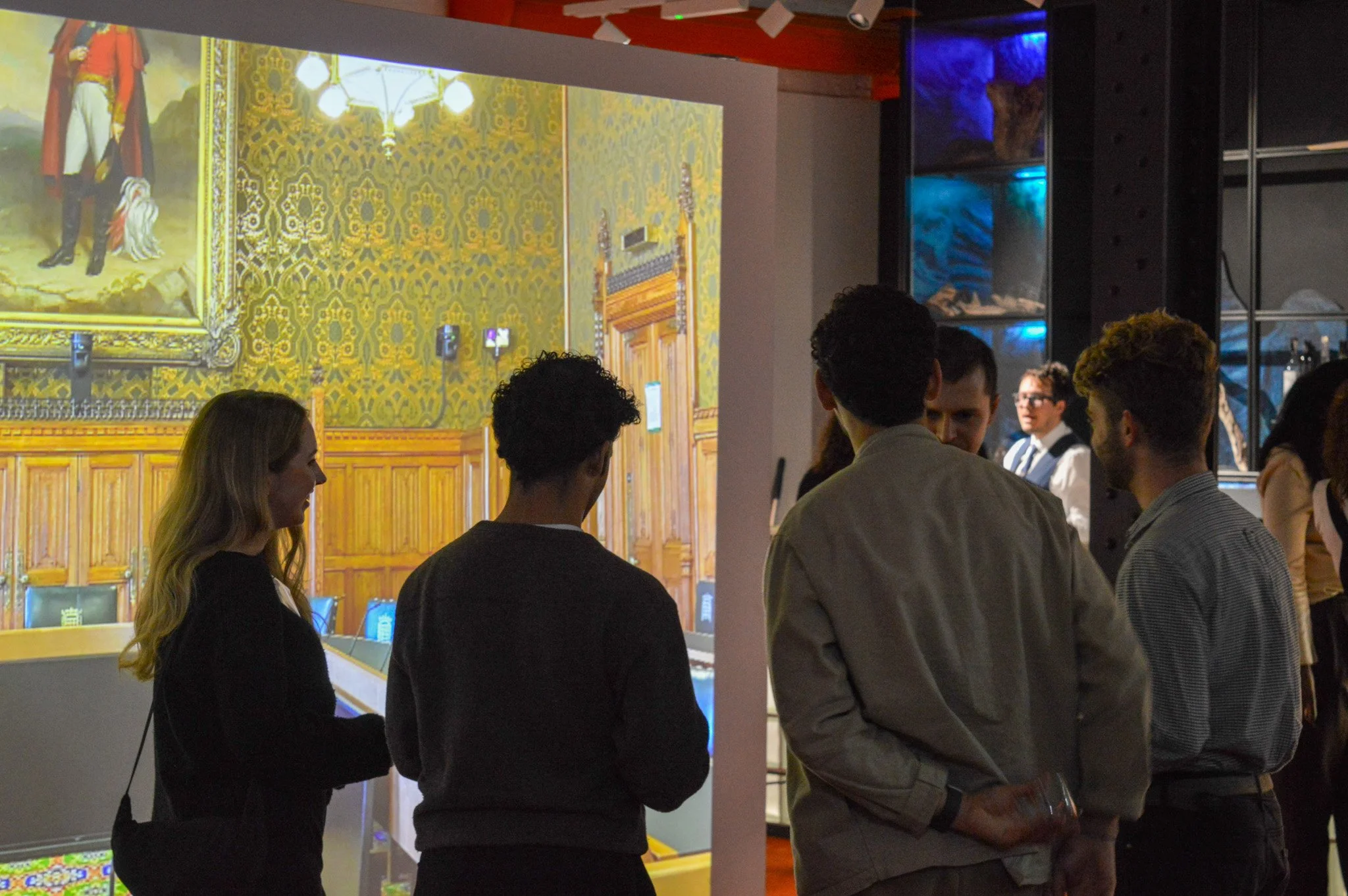
The format of the event was dynamic and exhibition-style: Back to the Drawing Board gathered rising talents from the More Than a Building network to talk about their projects and display their work throughout the club.
The Walk
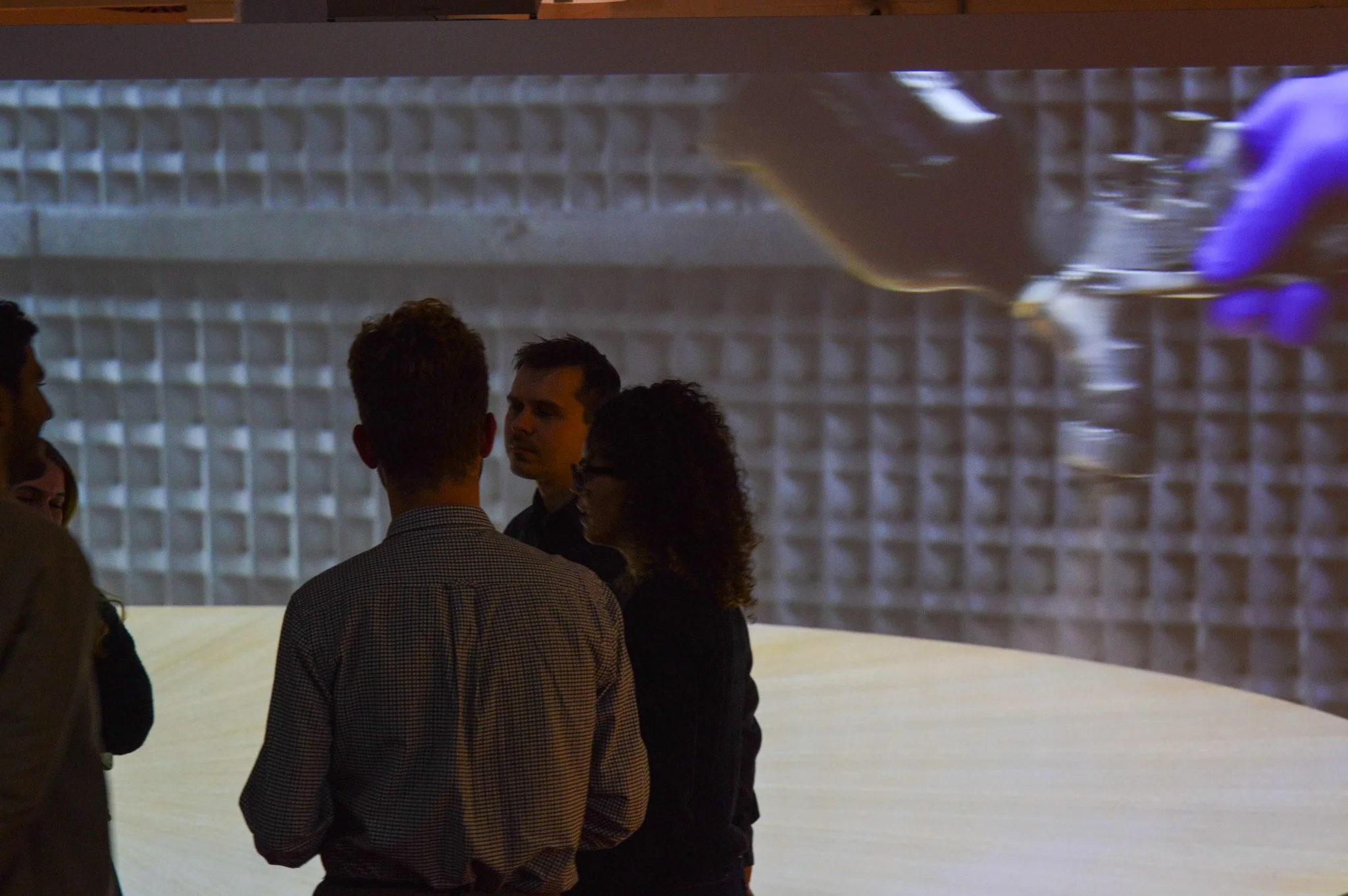
There were five rooms, each hosting a different practice. Over three rotations, we were free to follow our group or go to the sessions that called to us. It felt almost like walking through a story you could reorder, choosing the sequence of chapters you wanted to explore.
This approach reminded me of one of my favourite Julio Cortázar books, Rayuela, which offers multiple reading paths: sequential, author-suggested, or entirely your own. The order changes the journey, yet the meaning finds you anyway.
I decided to follow the flow, letting chance guide my route.
BGY: Repair as a Design Strategy
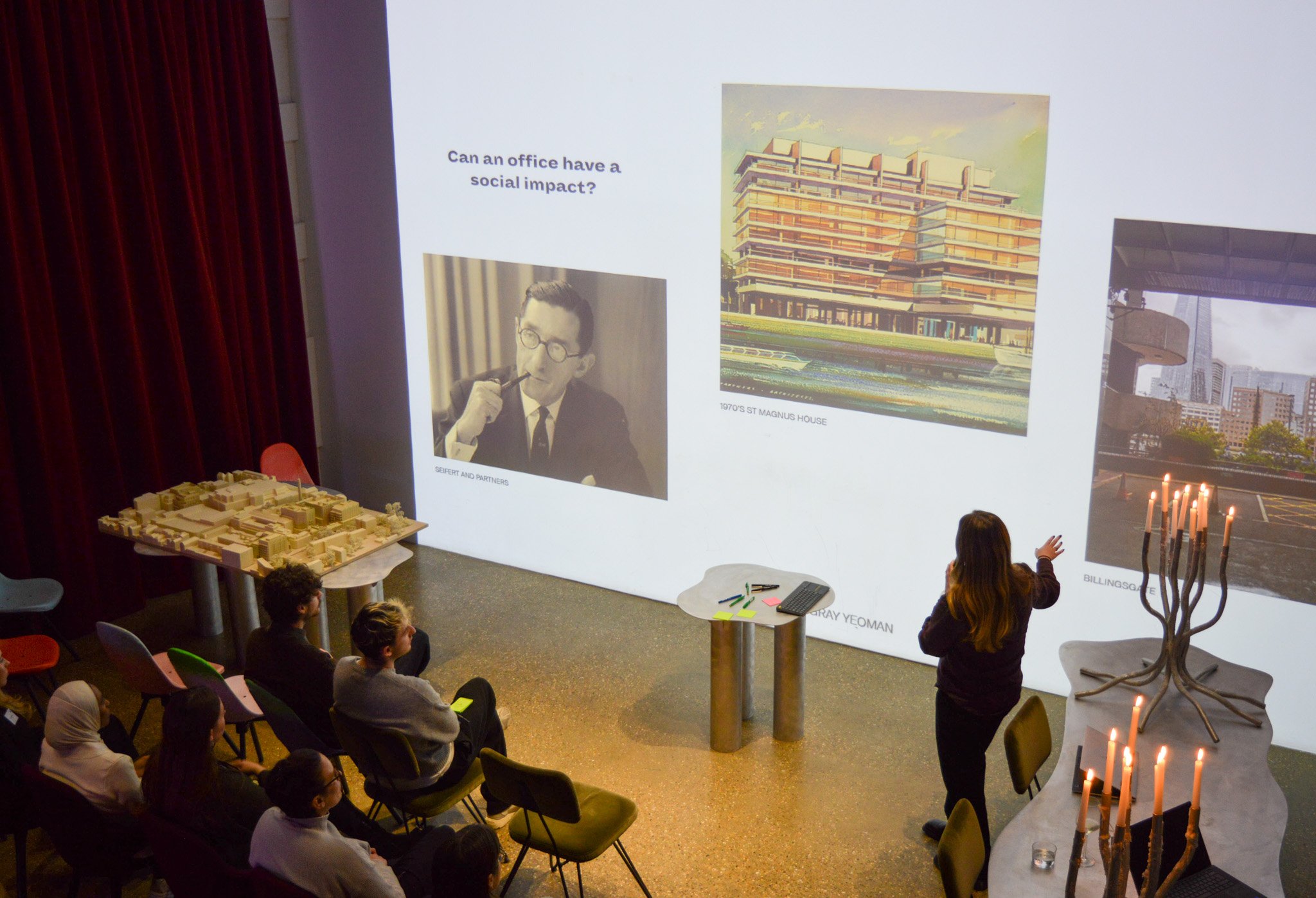
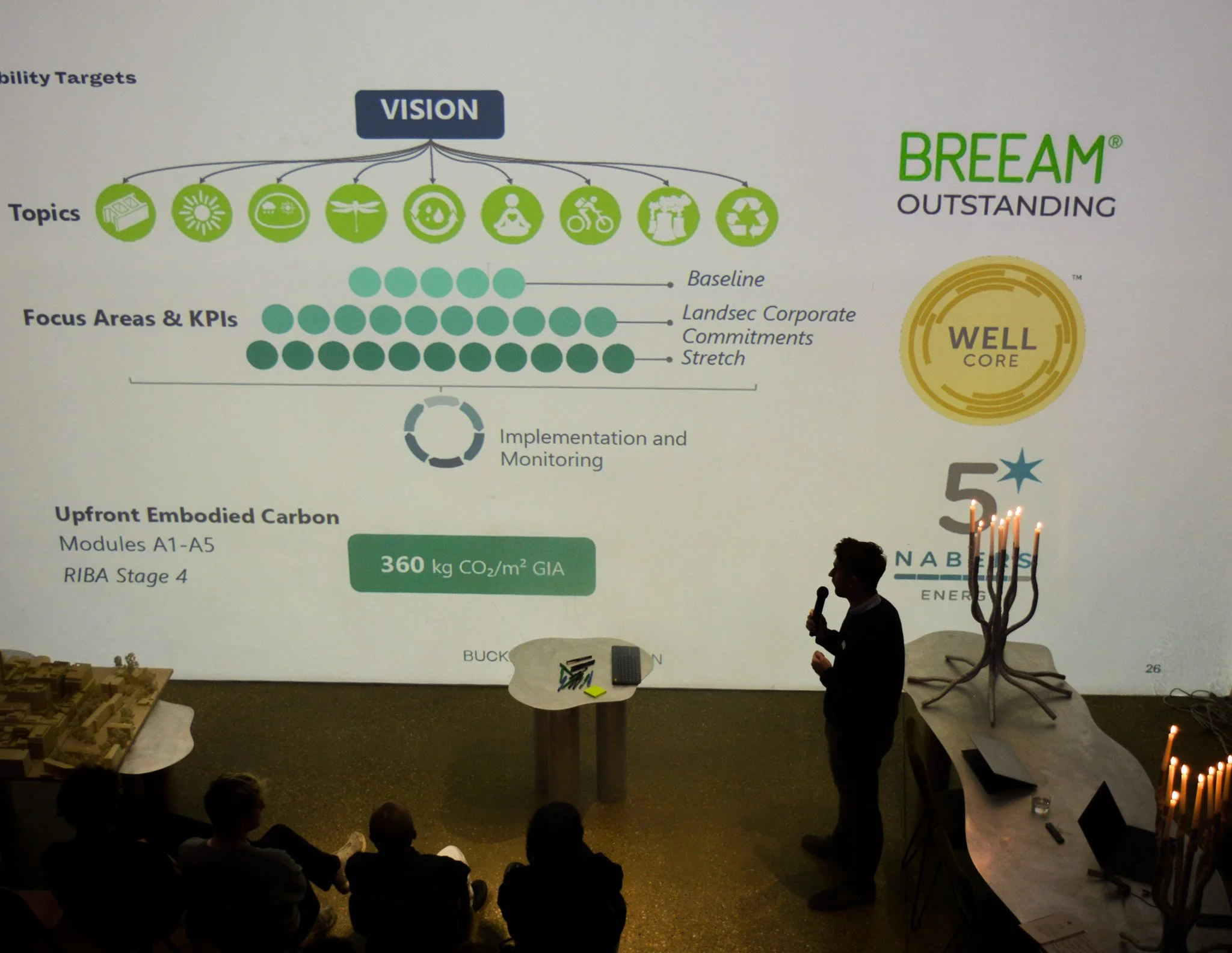
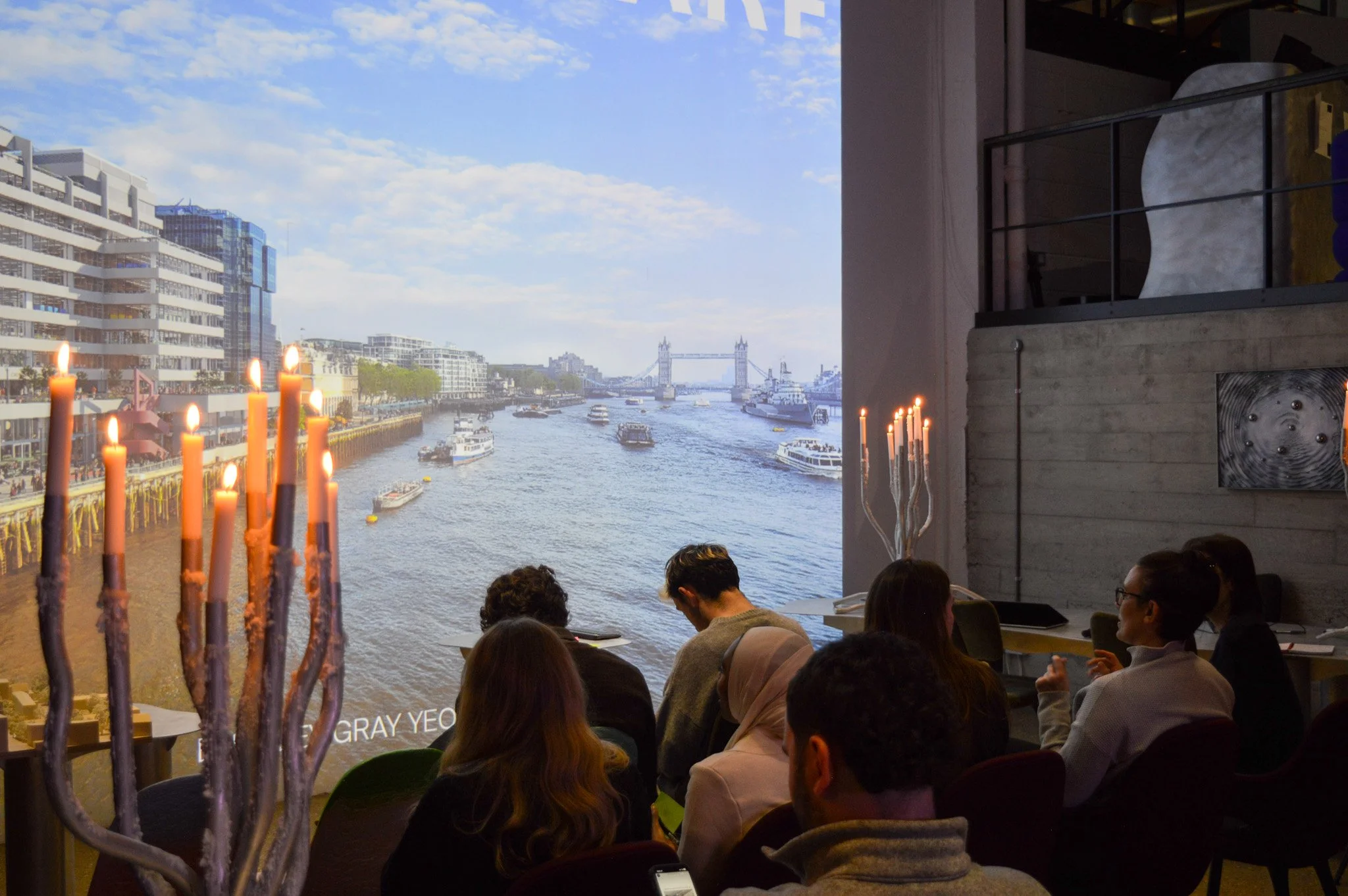
I began with BGY, where Alexander Buck presented Thirty High, a 300,000 sq ft retrofit aiming for Net Zero in operation and construction. Instead of demolishing the building, they chose to work with what was already there, upgrading, reinforcing, and transforming it into something new. Their approach showed how repair can be a thoughtful way to design - one that cares for the planet and for the people who live on it.
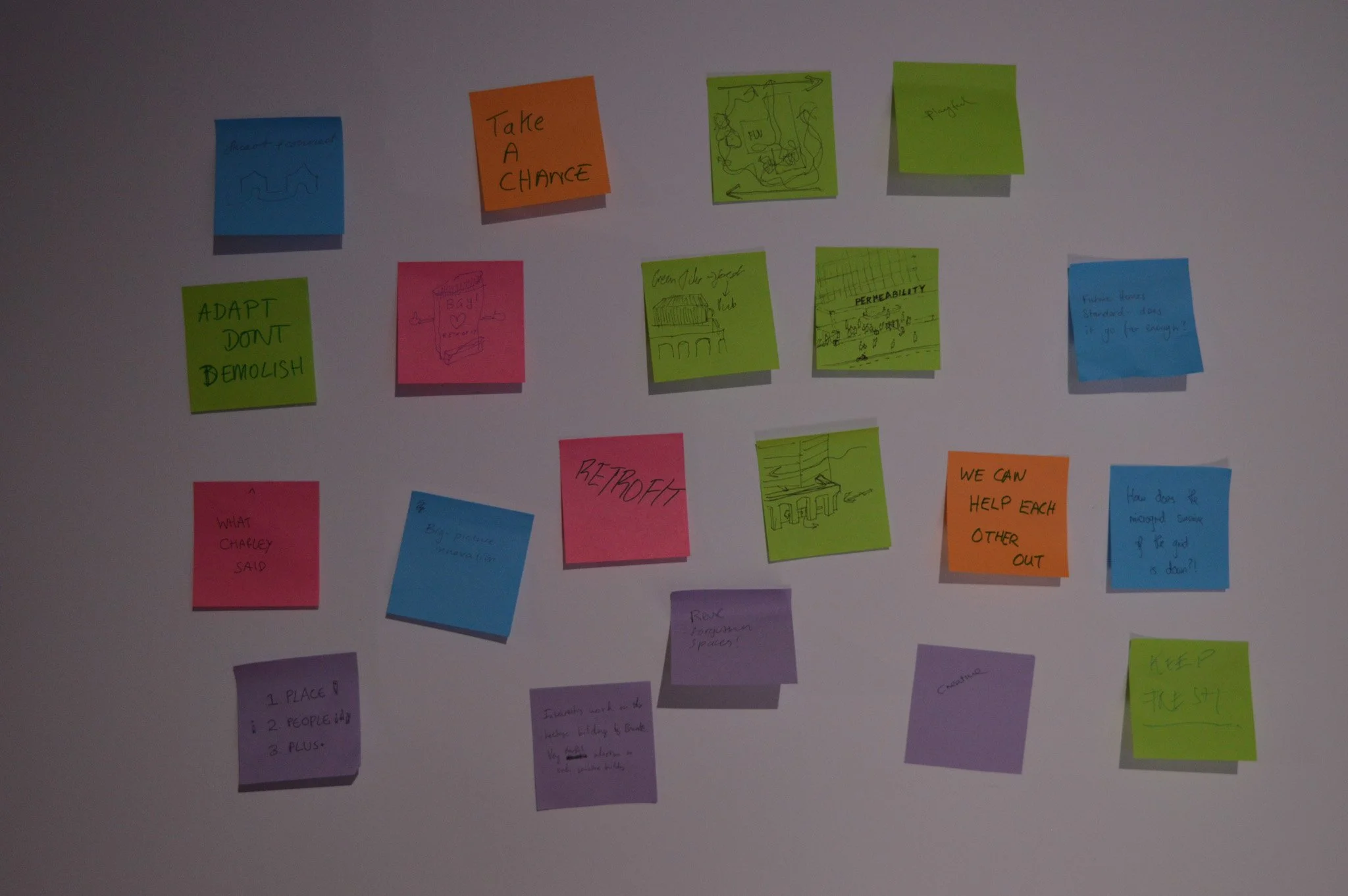
Because the building expands to the street with wide green colonnades, our Q&A turned into a discussion about how private buildings can open themselves to their neighbourhoods. Coming from Mexico, where streets and plazas are always alive, this felt important to me. We talked about entrances, permeability and shared spaces that invite people in rather than exclude them.
BGY’s work reminded me that sustainability is more than energy and materials; it is also about social value, about creating places that connect with their communities and feel human.
Bennetts Associates: Repair as the Future
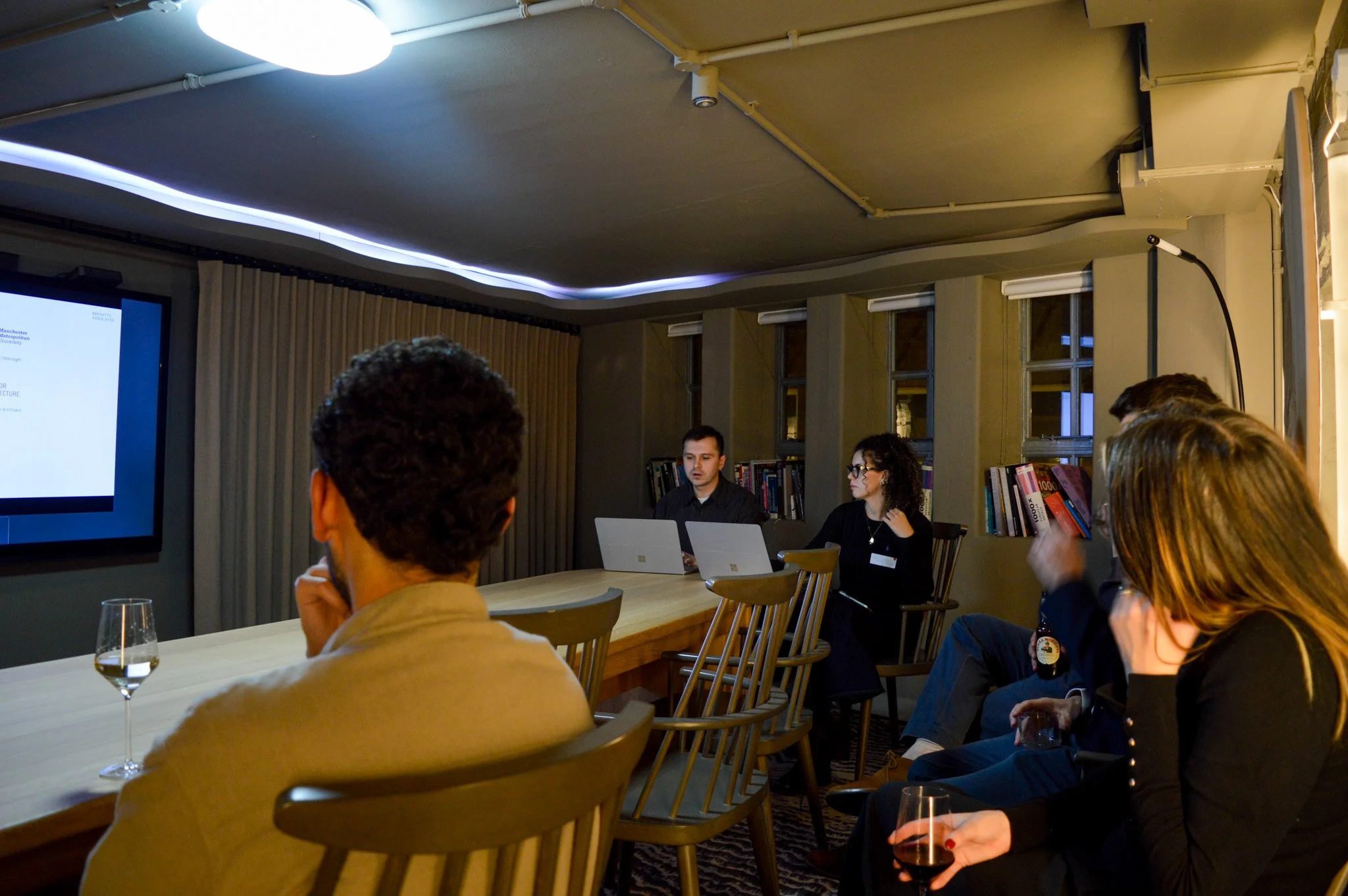
In the Bennetts Associates room, Aleksandr Belozertsev and Zahra Badaoui walked us through the transformation of the old Royal Infirmary into the Edinburgh Futures Institute, a new space for learning and collaboration. Because the building is listed, the process took years - a reminder that preserving what matters asks for time, care and a lot of patience.
The Edinburgh Futures Institute project feels like strengthening what still exists, respecting its history, and giving it new purpose. Beyond its people-focused design, the environmental impact is significant: the carbon emissions are less than half of what a typical new build would produce.
The project gave us material to think about, and later we reflected on how challenging it still is to keep older buildings alive and reuse materials. Regulations, infrastructure and costs can make it difficult, but little by little more practices are choosing to recycle, repurpose and repair whenever possible.
Opus Magnum: Repair as Creativity
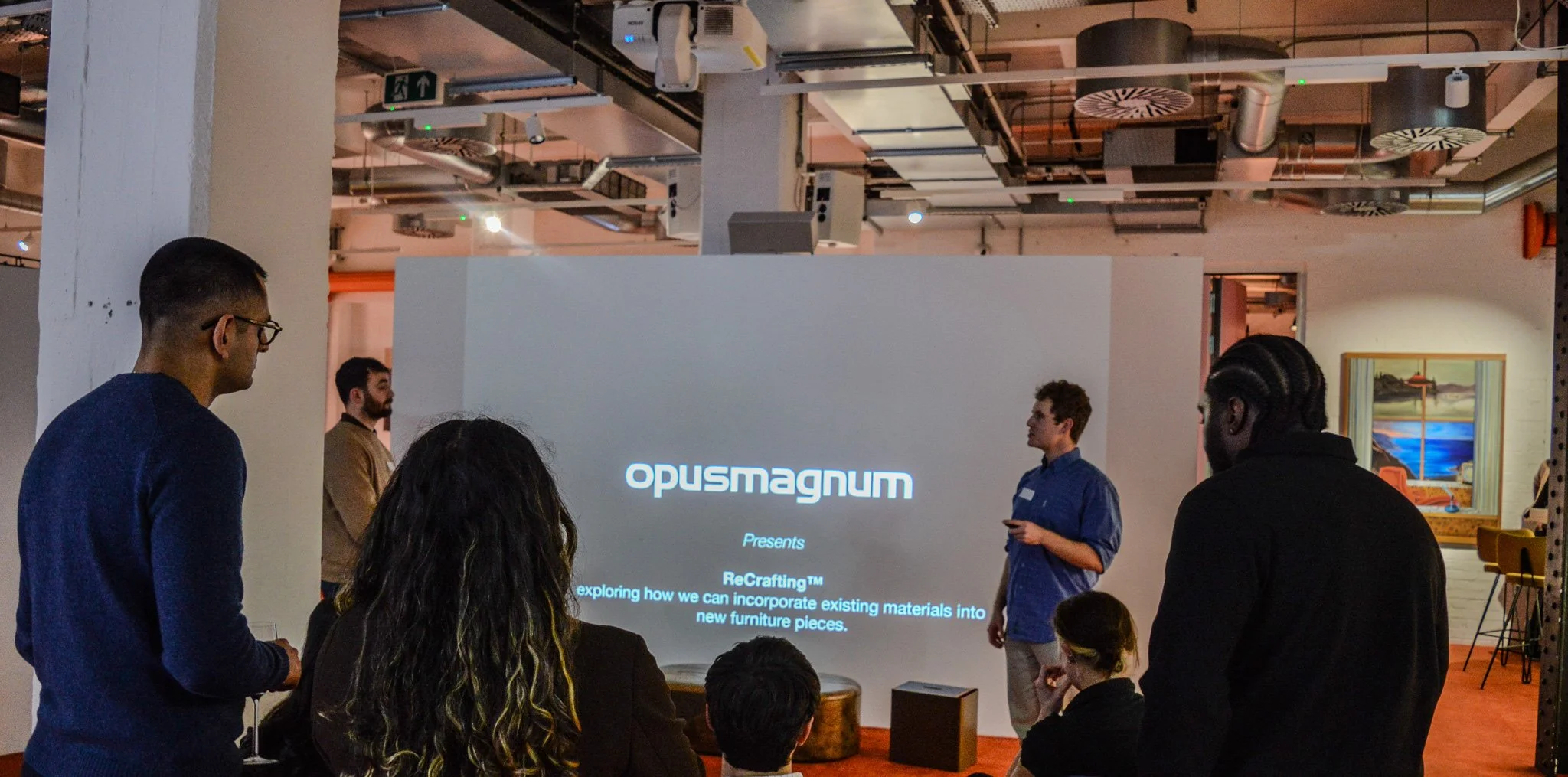
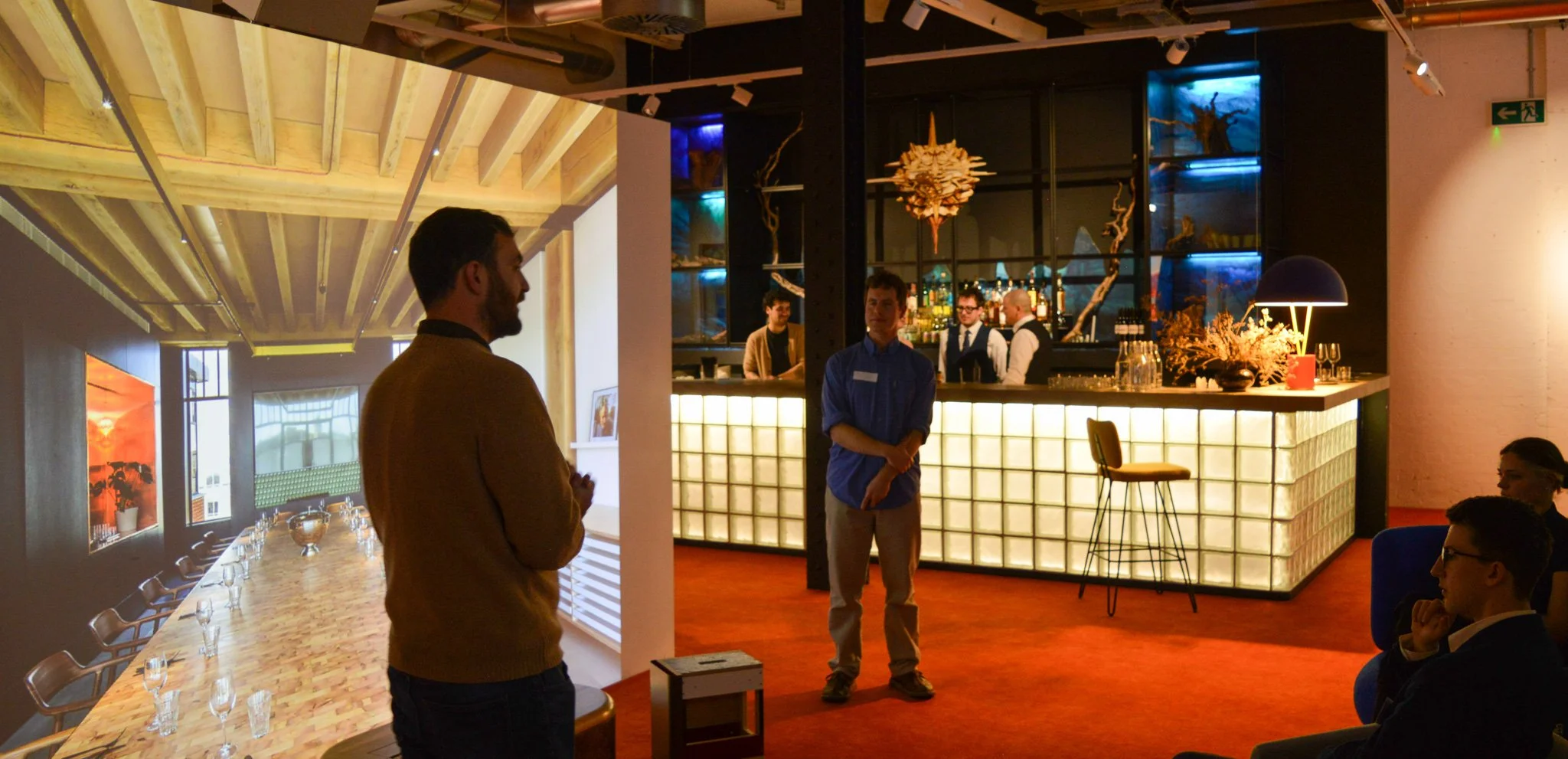
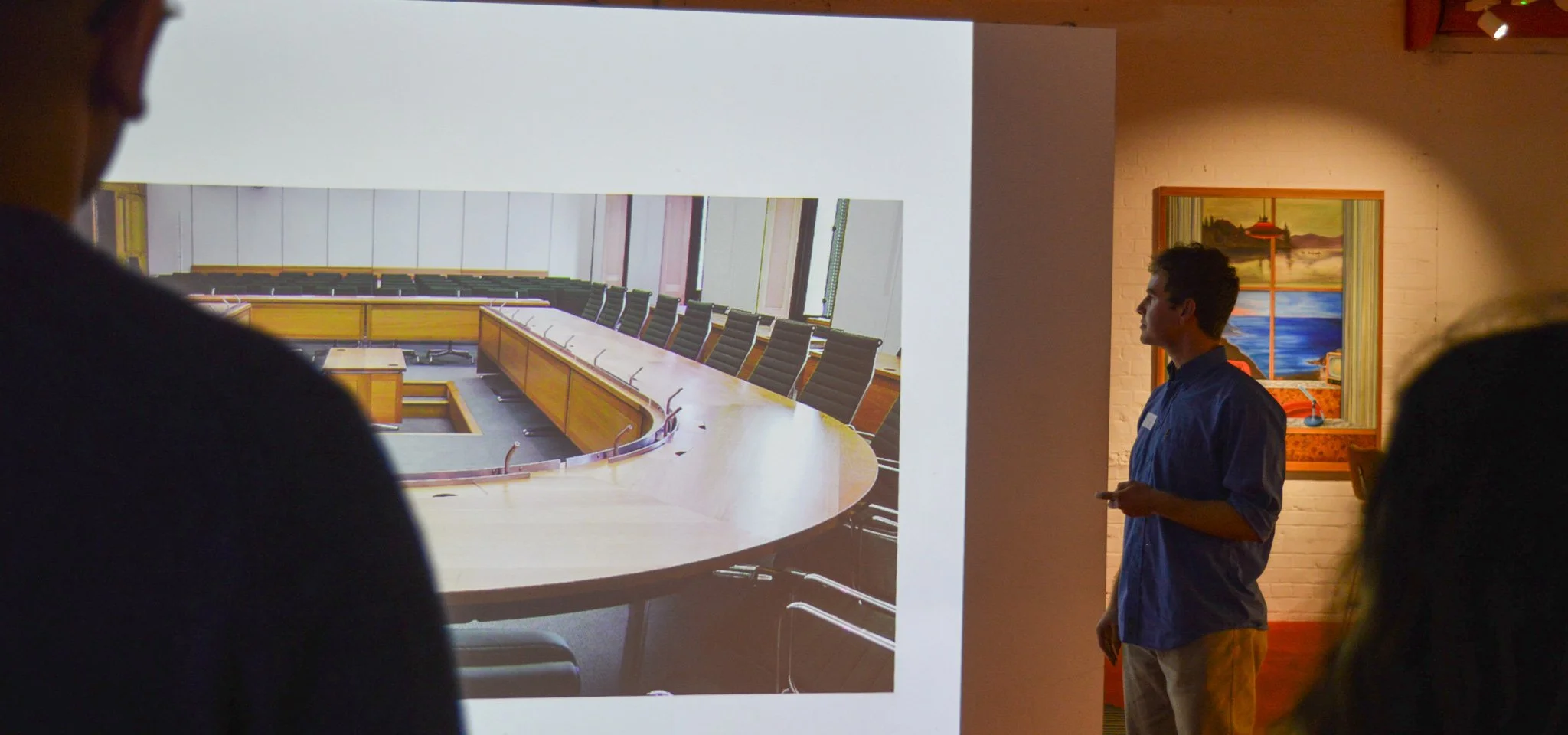
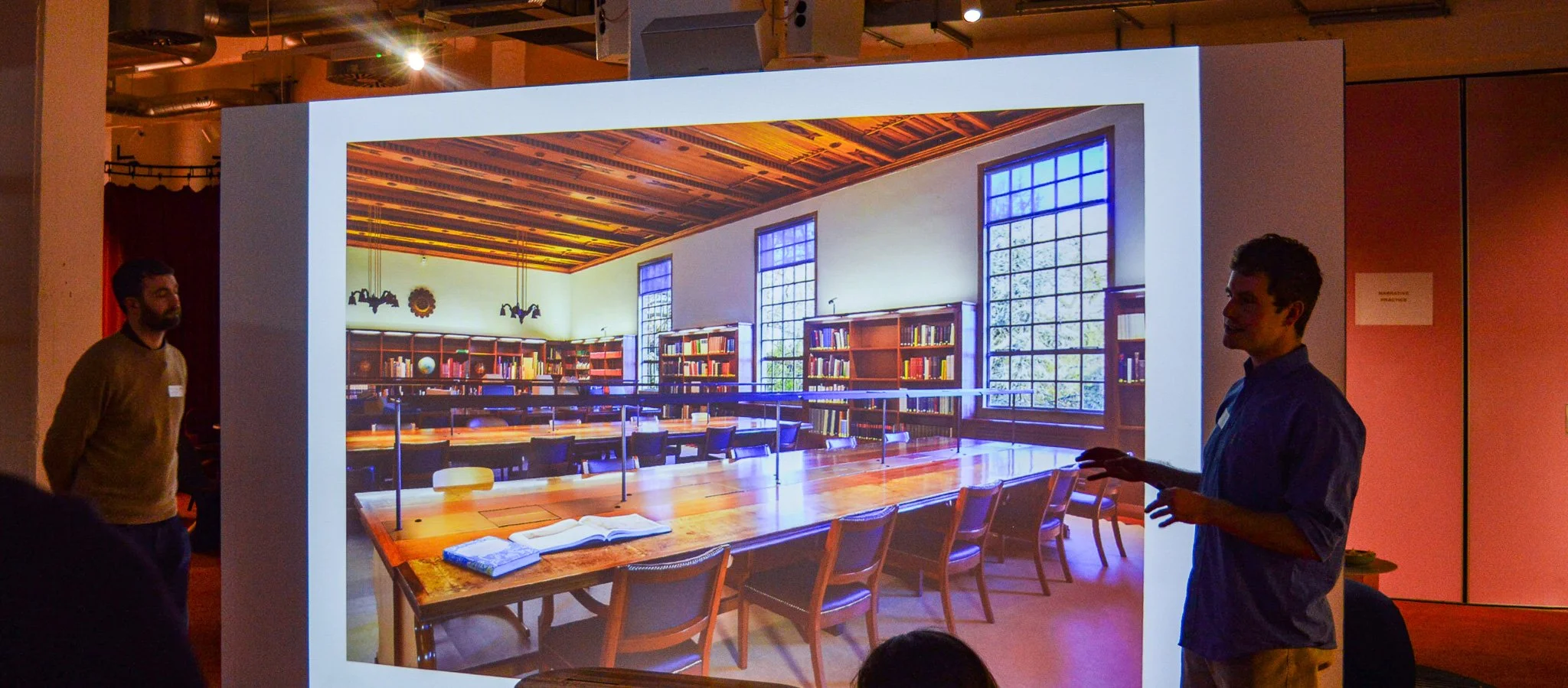
In the central lounge, surrounded by their furniture pieces, Sam McBride and Charlie Cooper introduced us to Opus Magnum’s philosophy: reuse, restore, reimagine.
For them, sustainability is tangible in every reclaimed board, every joint, every detail. They shared their process and how they work with clients, showing that reuse and restoration can be both beautiful and environmentally responsible. They even shared numbers on how their vision has an impact on pollution; it was impressive to see how projects like these can significantly reduce our carbon footprint.
Later, I had the chance to speak with Emma Hand, who works at Opus Magnum. Her passion for her work was contagious. In front of one of the furniture pieces, she explained how more clients now value reused materials, and how second-hand pieces bring texture, history and an ethical beauty that cannot be replicated.
Emma also shared how inspiring she found the NextGen event: connecting with so many young minds focused on ethical practices in construction, exploring new ideas together, challenging current thinking, and strengthening a collective commitment to doing better.
Narrative Practice: Repair as Representation
From Narrative Practice, Luis Paipilla and Elena Šležaitė led a dynamic session where the audience helped guide the conversation. We spoke about the future of the architectural profession, the built environment and the role of education.
Narrative Practice is a mentoring and research platform focused on improving diversity and representation in our field, so listening to young professionals and mentees is central to their work. Their approach is collaborative in a very real way.
After the rotations, I went to talk to Luis. I know him from previous events, as I’ve attended several of their sessions. Soon others joined us, and together we discussed how essential diversity is for architecture and for the cities we build. Education, we all agreed, is a tool for repairing inequity and opening paths that were not there before.
Rolton: Repair in the Background
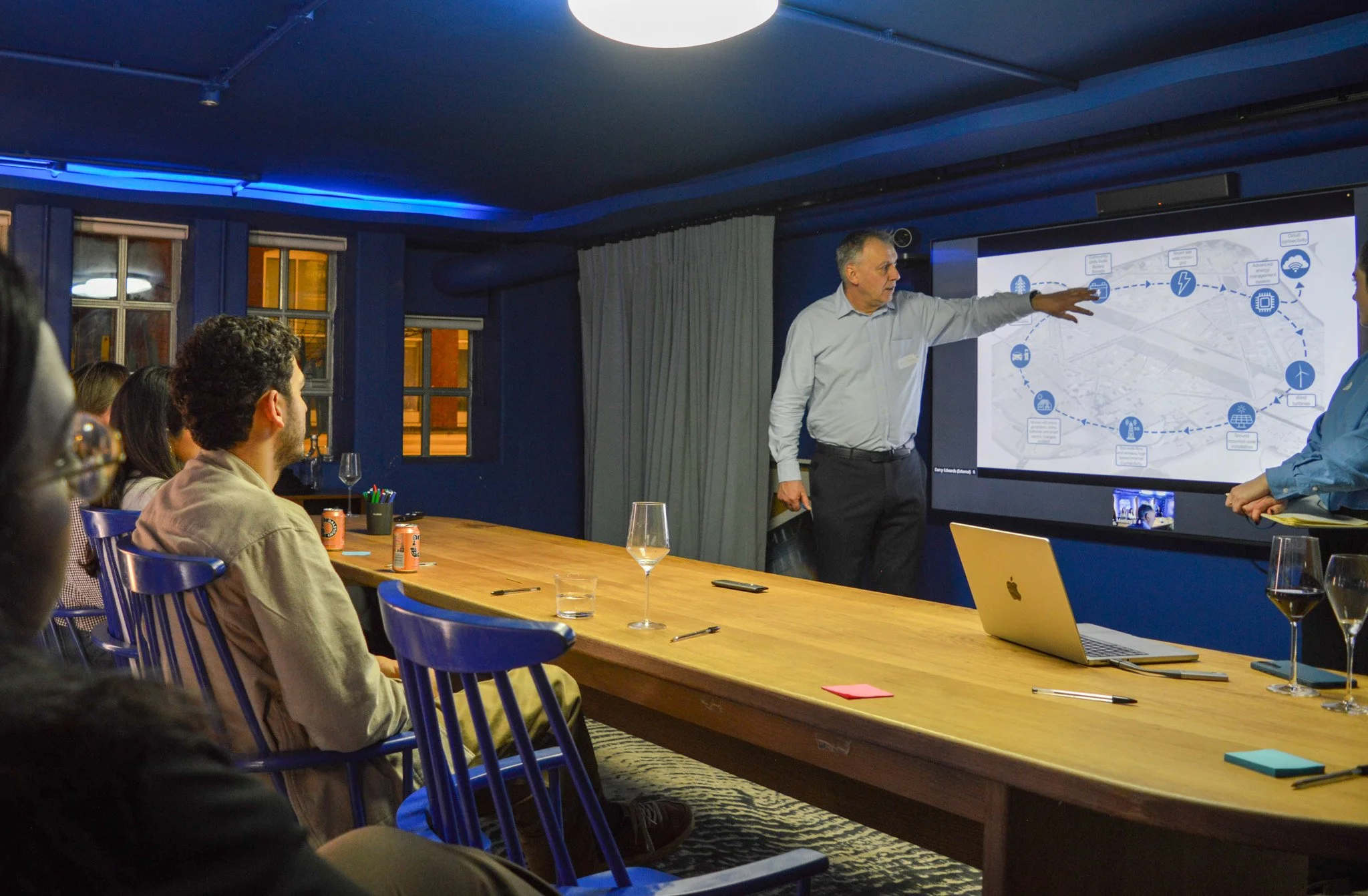
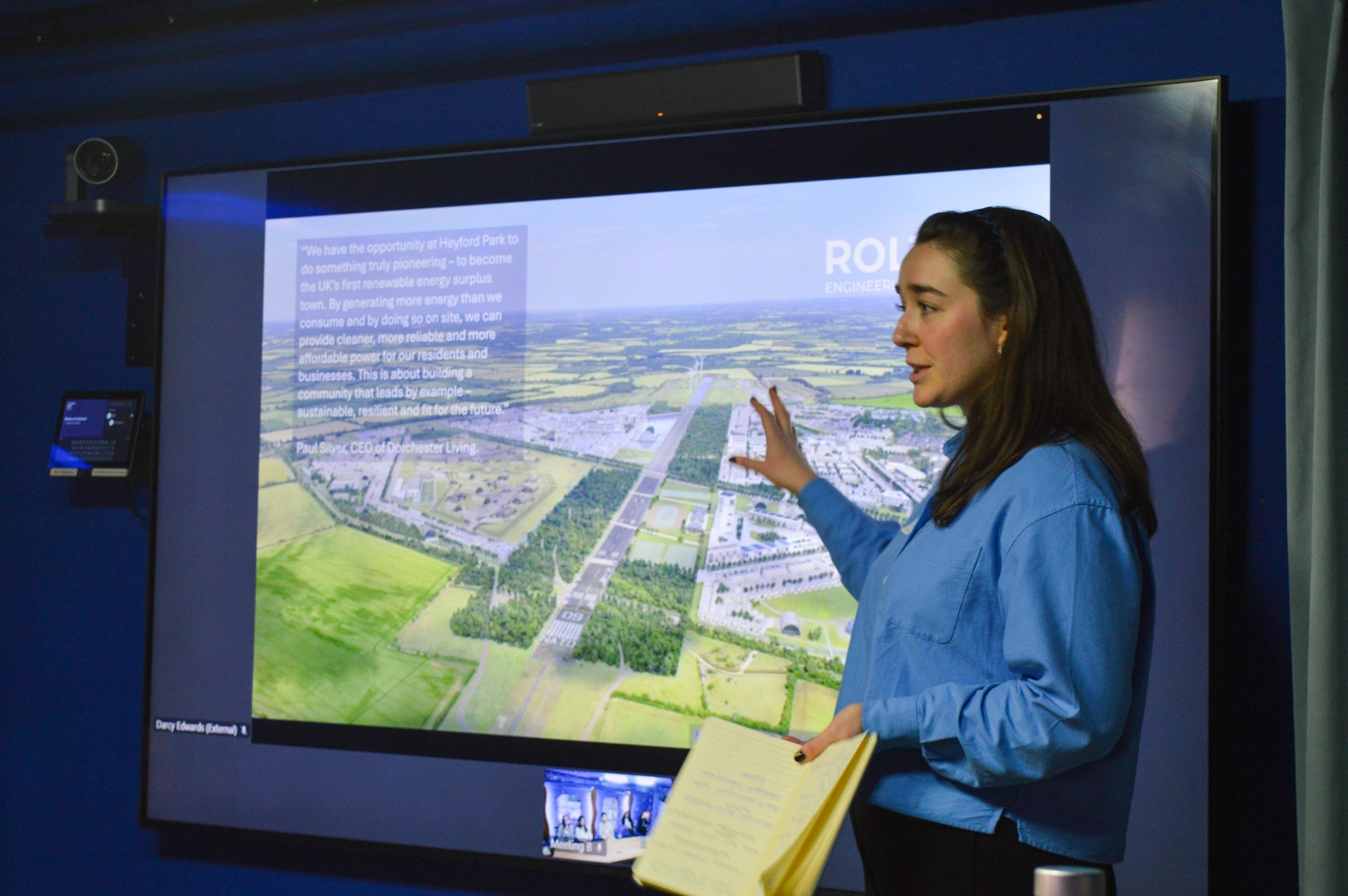
I didn’t make it to the session by Peter Rolton and Sara Davies as I ran out of time, but everyone I talked to afterwards told me how fascinating it was. Their talk looked at how sustainability and building regulations have evolved since 1985, and how Rolton is now advising clients on their transition toward Net Zero. They also shared the Heyford Park Masterplan, an energy strategy aiming to create the UK’s first renewable-energy-surplus town.
From those conversations, I felt I could still understand the heart of their message: the quiet side of repair and building on our current policies - the part that happens in engineering systems, in evolving regulations, in those long-term decisions that shape how a building or a whole community works. It is the kind of work most people never see, but everything depends on it.
The Exit
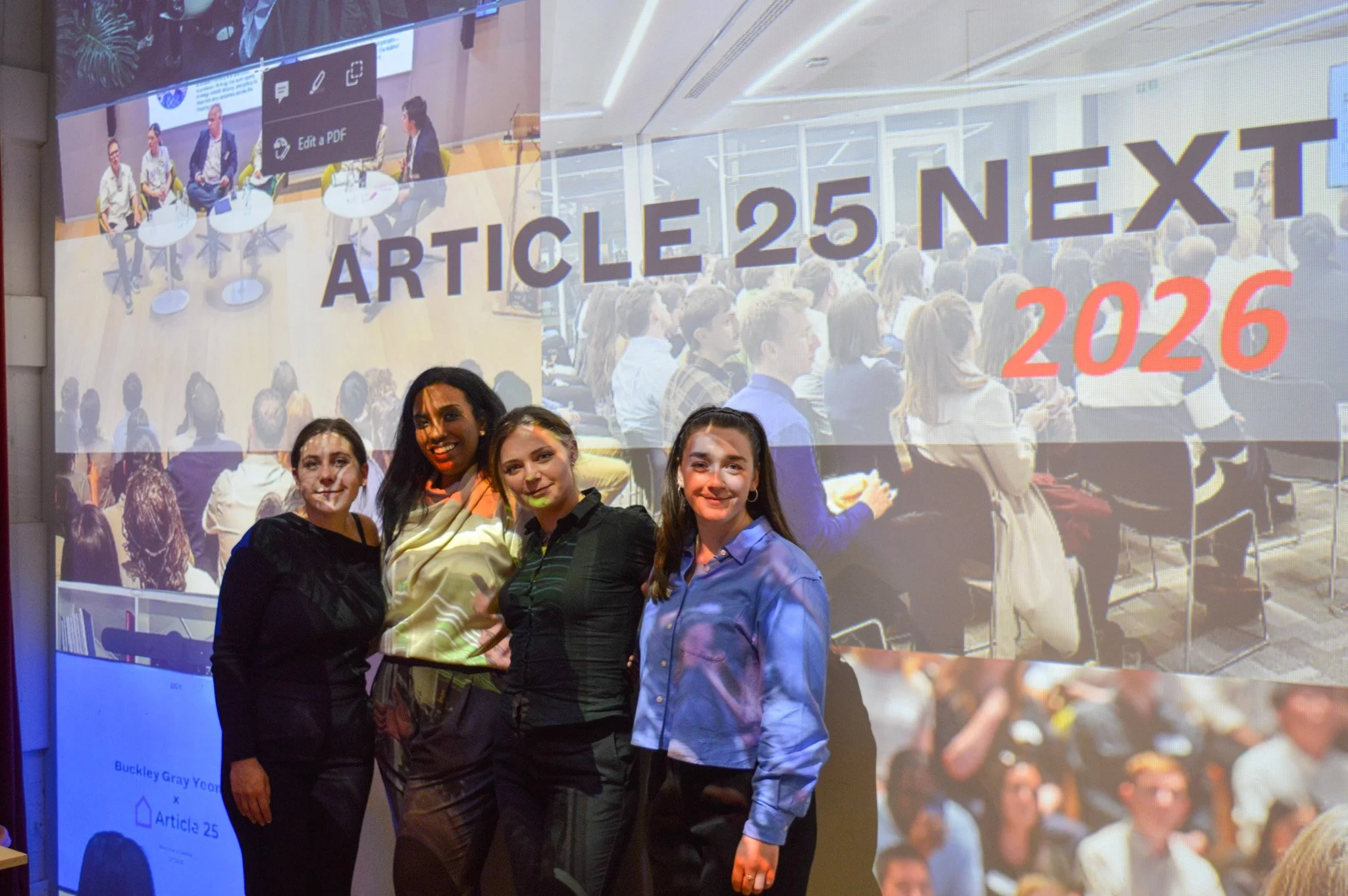
Throughout the night, the NextGen Board - Deima Ambrazaityte, Alla Elmahadi, Abigail MacKinnon and Sara Davies - created an event that felt open and dynamic.
Photographer Richard Evans also captured moments among movement: sketching, talking, smiling, listening, observing and walking.
Walking is a way to think. And that night, walking through the Arts Club, moving from one room to another, meeting so many people from the NextGen community, reinforced in me the idea that we don’t need to start from zero; we have a material history, and the future can grow from there. Sometimes even the imperfect parts matter because they give us something real to repair and build from.
In that sense, repair is more than a technical act. It is a way of designing, of choosing, of hoping - whether we are talking about buildings, materials, energy, or the communities that hold everything together.
🔹Written by Article 25’s Architectural Assistant, Rita Martinez Romero, this piece is part of our ‘Voices from NextGen’ series, sharing insights from the next generation of built environment professionals.
Interested in attending our NextGen event series?
Find out more about the event series open to all members of More Than a Building.
Get in touch: next-gen@article-25.org.
